
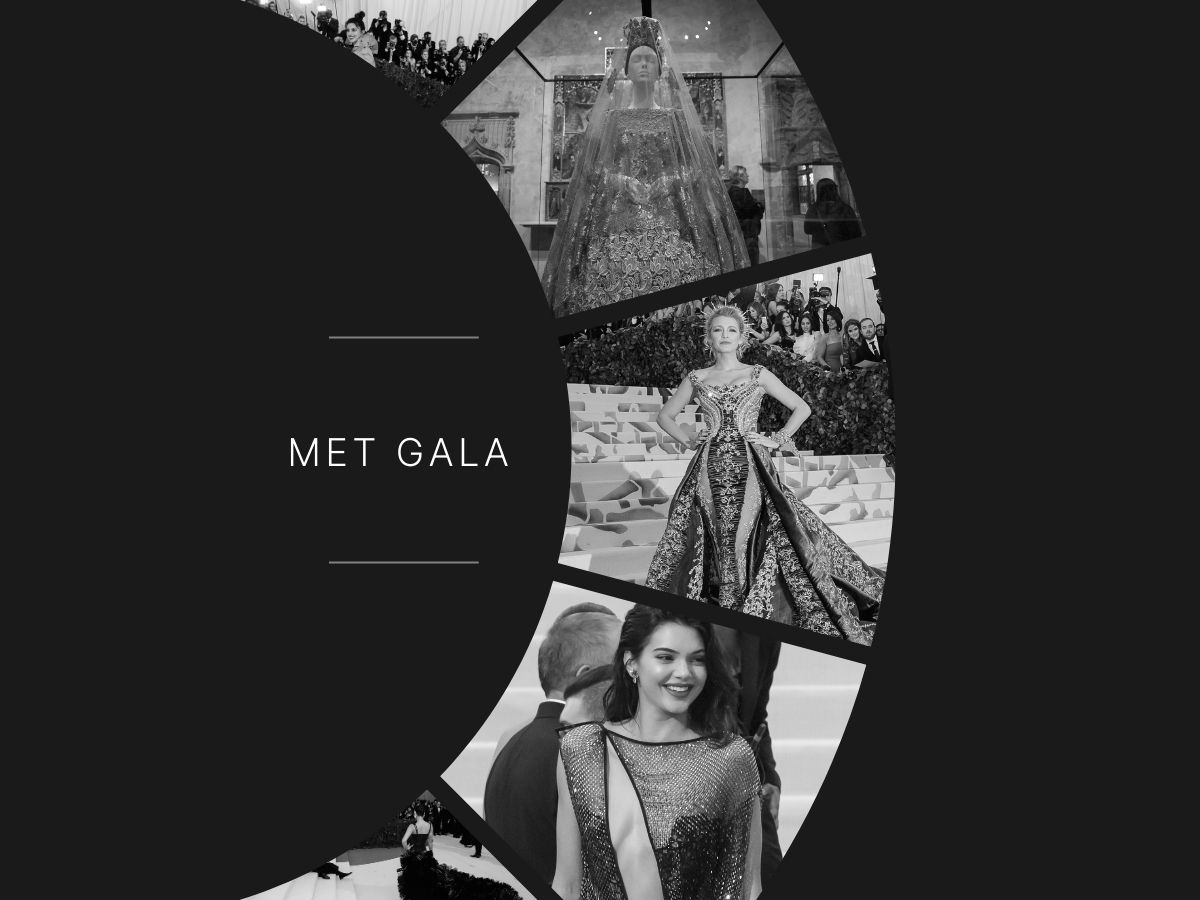
The Met Gala raised $31 million this year, the most since the fundraiser began in 1948. Held on May 5 at New York’s Metropolitan Museum of Art, the event once again proved how fashion, money, and influence intersect in the modern art economy.
Ticket prices were steep—$75,000 for individuals and a minimum of $350,000 for tables—up significantly from two years ago, according to data from the museum and reports in affiliated outlets. But access is tightly controlled. Vogue’s Anna Wintour curates the guest list, and brands, not individuals, typically foot the bill. Luxury houses, tech firms, and financial groups buy tables and allocate seats to celebrities, ambassadors, and clients who align with their brand messaging.
The Met doesn’t cover the cost of celebrity attendance. Sponsors do treat it as a line item in their marketing budget. And for good reason. According to Launchmetrics, the media impact value generated by last year’s Met Gala topped $1 billion. Analysts expect 2025 to exceed that, with more livestreams, expanded red carpet coverage, and a growing appetite for fashion content as brand currency.
This year’s theme, Superfine: Tailoring Black Style, focused on Black dandyism, a movement where fashion becomes a form of agency and expression against racial and social constraints. The exhibition draws from Monica L. Miller’s book Slaves to Fashion and features pieces that explore how sartorial style has shaped Black identity, particularly through tailoring.
The dress code “Tailored for You” invited guests to interpret the theme through their personal lens. This year’s co-chairs included Colman Domingo, Lewis Hamilton, A$AP Rocky, and Pharrell Williams. LeBron James, who was named honorary co-chair, missed the event due to injury. Their inclusion reflects a shift in donor engagement, as institutions increasingly work with athletes and entertainers to diversify their funding base.
Despite operating under the Met’s nonprofit umbrella, the gala functions more like a luxury capital raise. A large portion of the $31 million raised will go toward the Costume Institute’s acquisitions and preservation work. The Institute’s annual operating budget hovers around $20 million.
Production costs, including venue transformation, security, and exhibit installation, are typically covered by donations and in-kind contributions. Some of the costs associated with table purchases may also be tax-deductible, depending on how the donation is structured.
While the museum does not publish detailed breakdowns of donor spending, sources indicated that LVMH, Kering, Instagram, and Apple were among the top spenders. For them, the gala offers a hybrid model: philanthropy and high-visibility marketing. The return on investment comes from media impressions and cultural credibility.
The night has also evolved into a soft-power platform. Cultural ministers, consuls, and public officials use it to signal global engagement. Capital markets players like private equity leaders and hedge fund partners use it for access. What was once a fashion fundraiser is now a high-level networking event, where art, diplomacy, and commerce coexist.
Critics have pointed to the exclusivity and escalating price tags. But few events can match the Met Gala’s ability to convert one night into lasting impact, spanning donations, licensing, merchandising, and institutional relevance.
The Costume Institute is expected to release its full financial report later this year. In the meantime, the exhibition runs through September and is forecast to drive strong attendance and merchandise sales across the museum’s retail operations.