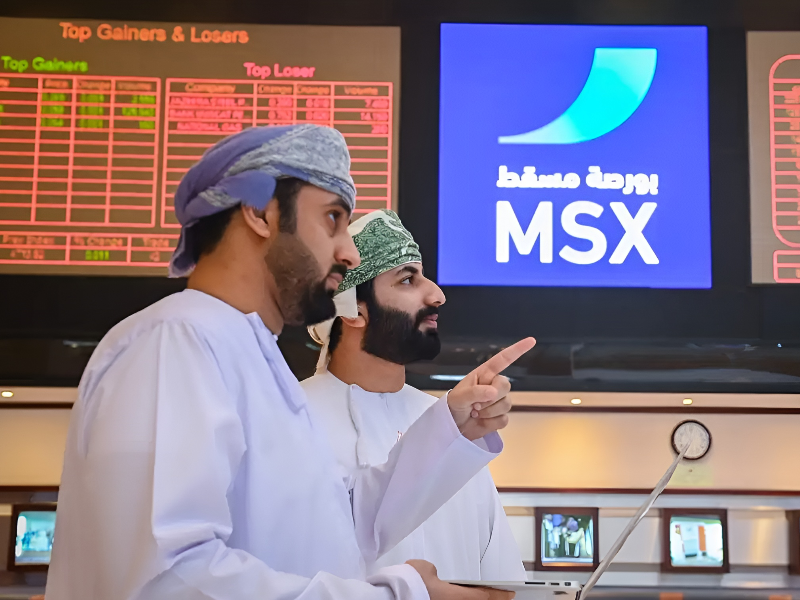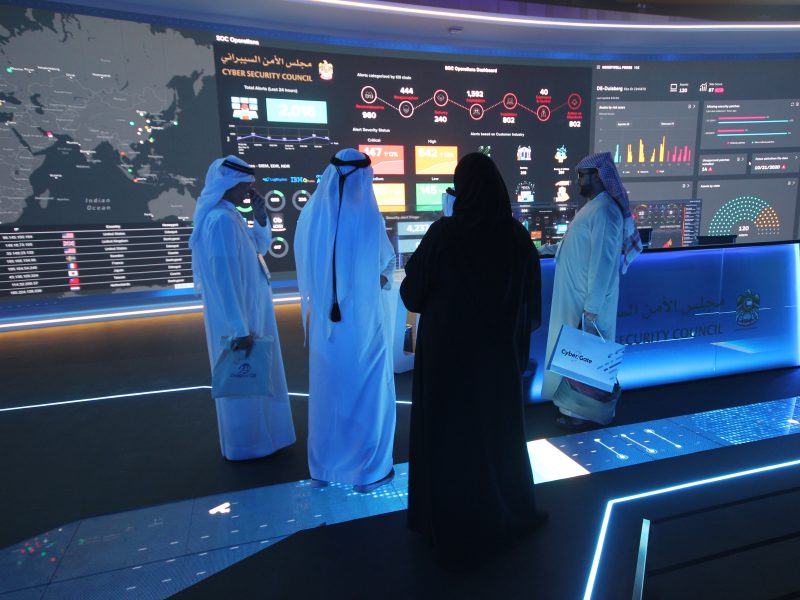
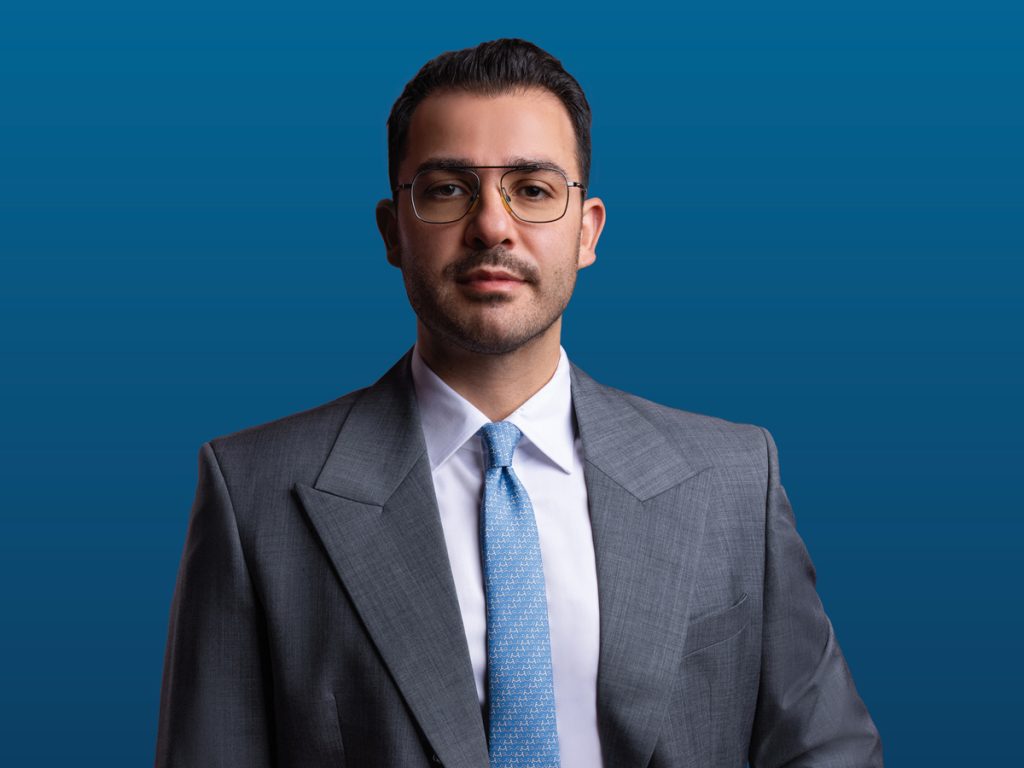
The financial trading landscape has undergone significant transformations driven by technological advancements, evolving trader demographics and dynamic macroeconomic conditions. To explore these changes, we sat down with Joseph Dahrieh, Managing Director of Tickmill MENA, who provided valuable insights into the modern trader’s profile, the evolving role of brokers and the macroeconomic trends shaping the forex and CFD trading environment in 2025.
The modern trader
The archetype of the modern trader has evolved significantly, characterised by heightened technological proficiency, access to real-time information, and a more analytical approach to trading. This evolution is underpinned by the democratisation of information and the proliferation of advanced trading tools. According to a study by BrokerNotes, the modern trader leverages a plethora of resources, from real-time market data to sophisticated AI-driven analytics, enabling swift decision-making and strategy optimisation.
“The modern trader is more informed, tech-savvy, and adaptable than ever before,” says Dahrieh. He noted that with easy access to market data, AI tools, and educational resources, traders can analyse trends quickly and make faster decisions. Unlike in the past, trading is no longer confined to technical charts; it now encompasses understanding news, economic trends, and even social media sentiment.
This shift has created an environment where retail traders can compete with institutional ones—provided they have the right tools and knowledge.
Brokers as ecosystem partners
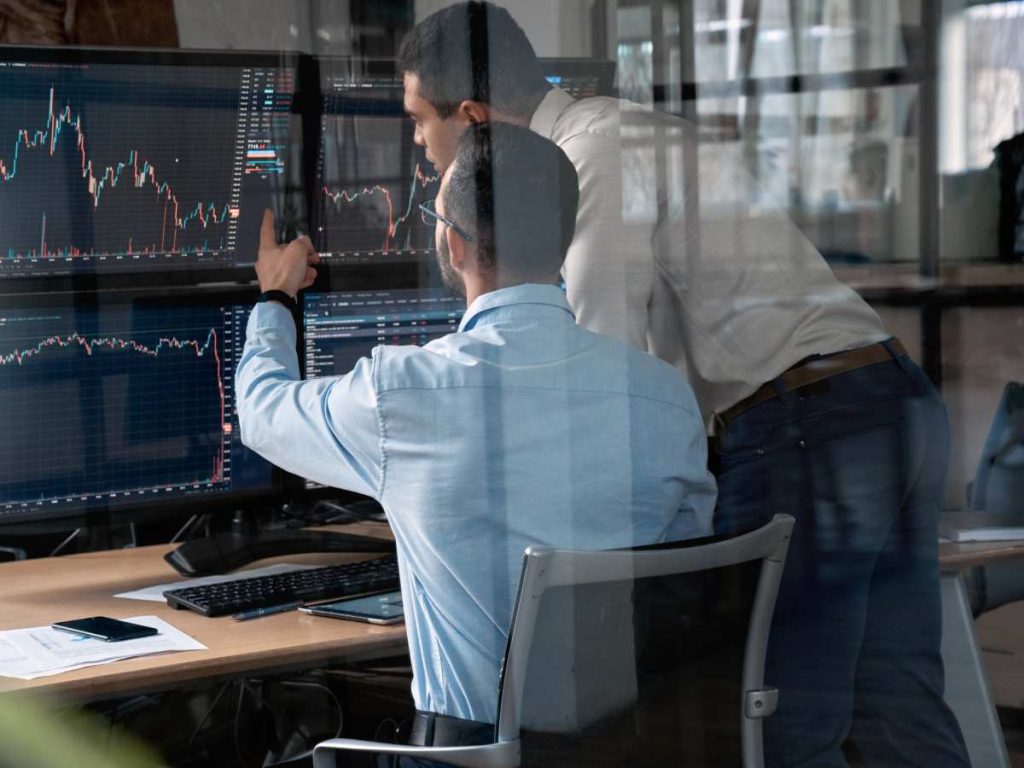
In this digital era, brokers redefine their roles to support trader development beyond execution and pricing. Dahrieh emphasised that a broker’s role extends beyond offering a trading platform; they should educate traders and provide valuable tools. He said, “A trader’s success is a broker’s success, making trader support essential.” Tickmill exemplifies this approach by offering a suite of tools designed to enhance trading experiences:
- Acuity trading tool: Provides market sentiment analysis to assist traders in understanding prevailing market moods.
- Advanced trading toolkit for MT4 & MT5: Offers real-time data and indicators, enhancing traders’ analytical capabilities.
- Signal centre: Delivers AI-driven trade insights, aiding in informed decision-making.
- MetaTrader web trader: Enables browser-based trading, offering flexibility and convenience.
- Crypto trading tools: Provides educational resources tailored for cryptocurrency trading, catering to the growing interest in digital assets
Navigating a macro-driven market in 2025
Traders in 2025 face a complex environment shaped by intersecting macroeconomic and geopolitical trends. Dahrieh highlighted that interest rate decisions, inflation, and global conflicts are significantly shaping the markets. He pointed out that the debate around de-dollarisation affects currency movements and energy prices, especially oil, and continues to impact many economies. Traders must closely monitor these factors as they drive volatility and create opportunities in forex and CFD trading.

Against this backdrop, Dahrieh advised traders to maintain flexibility and update strategies frequently.“Traders should stay flexible and ready to adjust their strategies based on economic changes. When central banks raise or cut interest rates, it directly affects currency values,” he said.
This strategic flexibility extends to asset allocation. Inflation cycles often favour commodities like gold, while monetary tightening may shift capital towards the US dollar or lower-yielding safe-havens.
“The de-dollarisation trend is also shifting currency demand, which means traders need to follow global trade patterns closely,” Dahrieh added.
MENA traders turn to commodities
Asset preferences are also shifting in the Middle East and North Africa (MENA). Dahrieh observed that traders in MENA are increasingly focusing on commodities, especially oil and gold. Gold remains a key asset due to its role as a safe-haven investment, particularly during economic uncertainty and inflation. Forex trading remains robust, especially in currency pairs influenced by interest rate decisions. Additionally, more traders are adopting AI-driven strategies and automation to enhance performance.
According to Deloitte’s 2024 Capital Markets Outlook, algorithmic and AI-based trading accounts for over 65% of retail trade volume in major FX and CFD markets.
Psychology and discipline
While tools and data shape decisions, psychology often dictates outcomes. Dahrieh identified three common psychological barriers for new traders: overconfidence, fear of loss and confirmation bias.
“Some traders take big risks after a few wins, while others panic and exit too early,” he noted. Confirmation bias is particularly insidious—traders seek information confirming their views rather than adapting to new signals.
To counter this, he recommended structured discipline. “The key is to follow a clear, rule-based trading plan,” Dahrieh said. Setting pre-defined risk limits, maintaining a trading journal, and reviewing decisions post-trade are all part of this process. He warned that emotional decisions—like chasing losses or holding onto bad trades—often lead to mistakes.
Risk management in volatile conditions
In an increasingly volatile macro environment, risk management becomes critical. Dahrieh advised traders to reduce position sizes and adjust stop-loss levels based on market volatility.
“Using indicators like the Average True Range (ATR) can help set realistic risk limits. Diversifying across different assets can also help reduce overall exposure,” he said.
With central bank rate moves and global tensions adding unpredictability, flexible position sizing and tighter risk controls are now standard.
When asked whether technical analysis still holds weight in today’s markets, Dahrieh said, “Yes, but it needs to be used wisely.” He recommended combining technical and fundamental insights to navigate macro-driven volatility.
“News events and central bank decisions can create big moves, so traders should consider both technical and fundamental factors when making decisions,” he added.
For example, if a central bank hikes interest rates, a trader might look at Fibonacci retracement levels or RSI indicators to identify entry points in a strengthening currency pair.
“The best approach is to use fundamental analysis to understand the bigger picture and technical analysis to time entries and exits,” noted Dahrieh.
Tickmill’s 2025 strategy
Tickmill is investing heavily in its MENA presence in 2025. According to Mohamed Abdelbaki, Regional Marketing Manager MENA, this year will be a “breakthrough” for the brand.
“2025 is a pivotal year for Tickmill’s marketing expansion in the MENA region. We are amplifying our brand presence through innovative campaigns, strategic partnerships, and cutting-edge digital initiatives,” he stated.
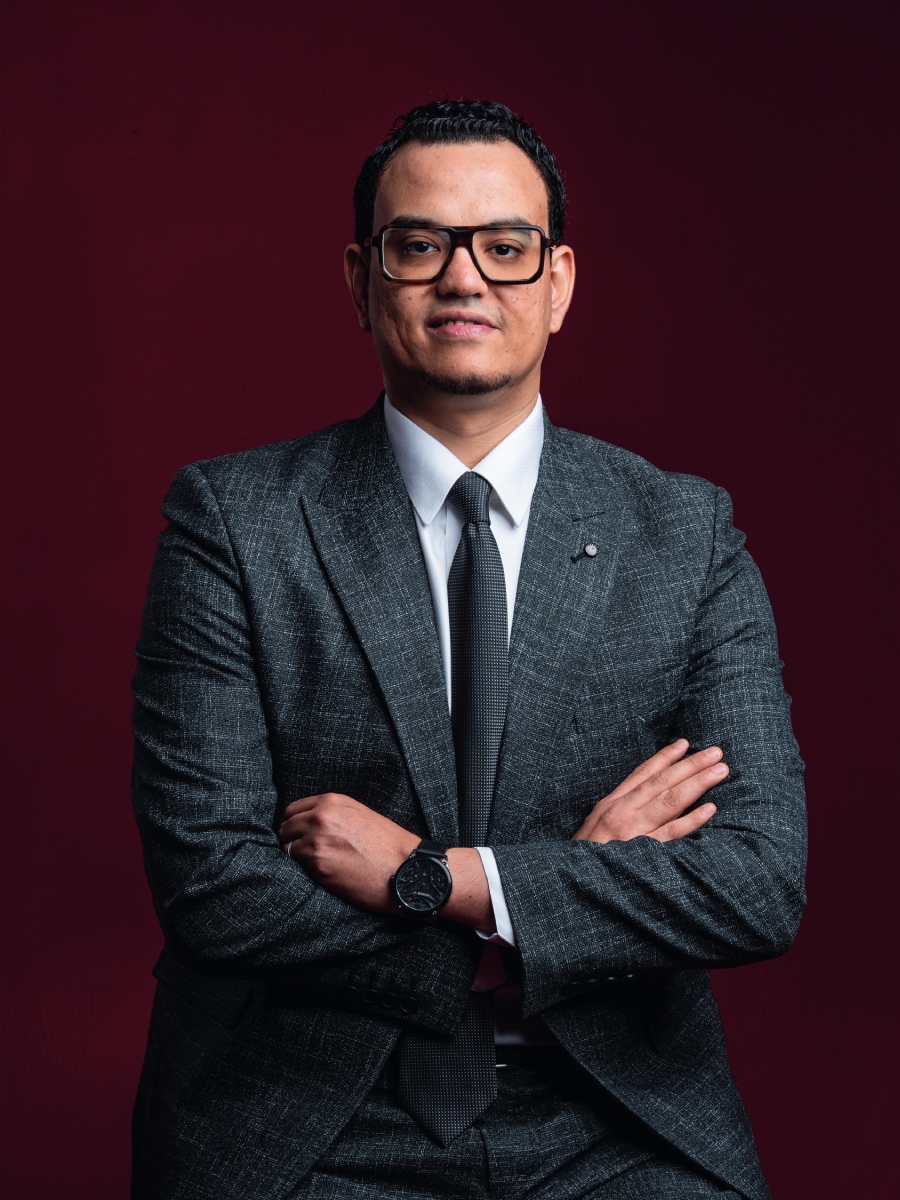
The firm deploys high-impact marketing through large-scale events, localised activations, and data-driven strategies. “We are investing in new channels, leveraging the latest technology and expanding our reach across key markets to solidify our brand’s dominance,” Abdelbaki added.
This expansion reflects broader trends in the regional financial landscape. As MENA traders gain sophistication and seek deeper engagement, Tickmill’s push for market share is as much about service quality as visibility.
Elie Tarabay, Head of Partnerships MENA at Tickmill, believes the future lies in rethinking how partnerships are structured.

“At Tickmill, we’re redefining what it means to be an IB or sales partner. Our goal is to provide unmatched opportunities—bigger commissions, cutting-edge tools, and exclusive networking events that drive real growth,” he said.
With real-time performance tracking and personalised support, Tickmill aims to make partnership models more transparent and scalable.
“We’re building a partnership ecosystem that’s smarter, more rewarding, and tailored for success,” Tarabay added. The emphasis is on maximising earnings while simplifying the path to growth.
In 2025, evolving market dynamics and sophisticated traders push brokers like Tickmill to go beyond execution. The focus is now on strategic tools, market education, emotional resilience and high-impact marketing. Dahrieh’s message is clear: “Trading is no longer just about technical charts—it’s about understanding news, economic trends, and even social media sentiment.”
As brokers become partners, and traders evolve into hybrid analysts, firms that offer comprehensive support and clear strategic value—like Tickmill—stand to gain.
For MENA’s increasingly global trader base, 2025 may well be the year that redefines what trading means in the digital era.