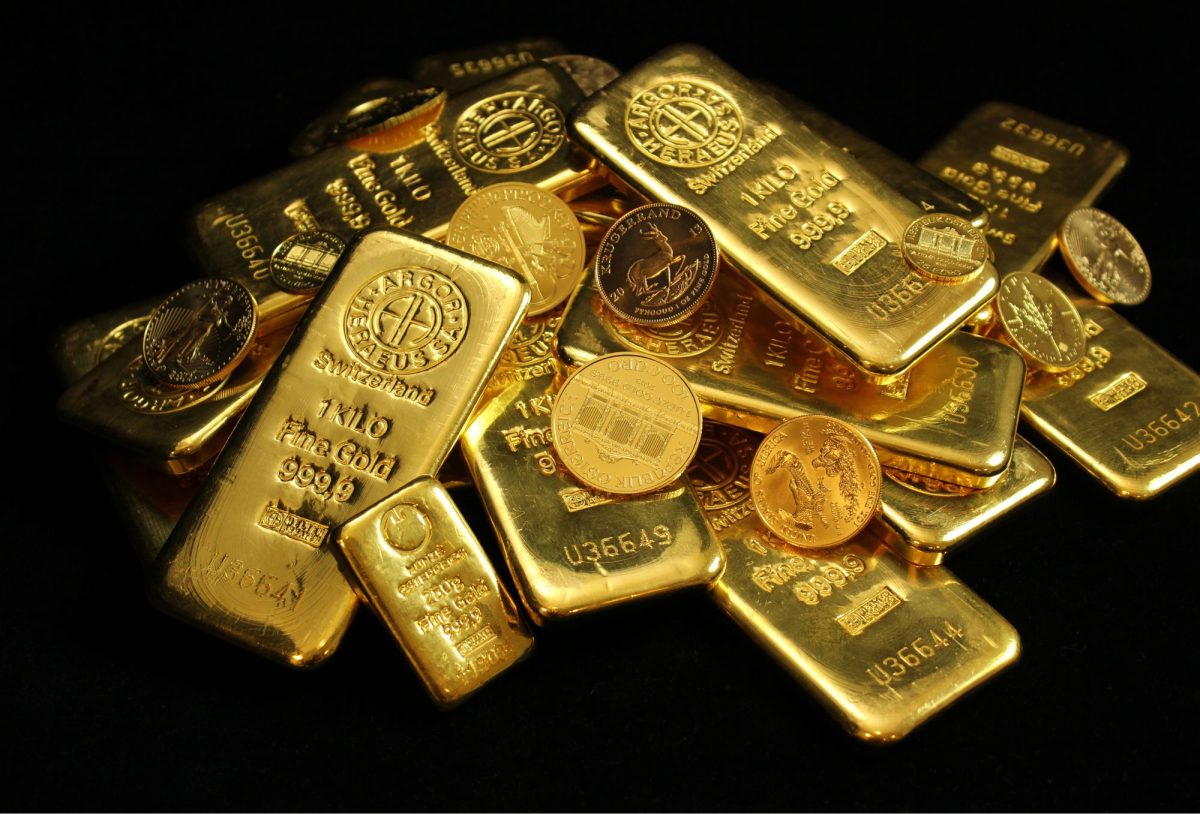
Gold can come across as one of the most traditional forms of investment. Yet, the market is undergoing a profound transformation, linked to the advent of new technologies and the rise in demand for more sustainable forms of mining and investment.
In a recent podcast interview with Cheque Point by Finance Middle East, Andrew Naylor, Head of Middle East and Public Policy at the World Gold Council discusses the key things to know about investing in gold. The podcast delves into how central banks, interest rates and technology advancements impact the gold market, as well as the steps being taken to make sourcing and investing more ethical, highlighting the reasons why gold remains a promising investment option.
The following transcript has been edited for length and clarity. Listen to the full interview here.
What are some of the key things investors should have in mind when they’re deciding to invest in gold?
I think that there are two elements that a potential investor needs to think about. The first is what drives gold’s performance, and to understand that, you need to understand the nature of gold demands and the different sectors of the economy that use gold. Just over a third of demand, on an annual basis, is jewellery demand. That tends to be large markets such as India, China and the rest of Asia. Another third of demand is individual investment demand. That’s people buying a bar or coin from a shop or through some kind of structured gold product.
Really, the story of the last couple of years is one of central banks buying gold. We saw record levels of central bank buying two years ago, and that strong demand for gold from the official sector has continued throughout the last couple of years. They account for about 20% on an annual basis of the demand for gold.

They tend to be motivated by different issues. For central banks, it’s about uncertainty. It’s also a little bit about economic expansion. Jewellery demand, however, tends to be much more cyclical. When the economy is doing well, people buy more gold bars and coins. When the economy is doing less well, that’s when institutional investors, in particular, tend to allocate for gold.
The other sector of demand-around about 8% of annual gold demand- is the technology sector. Gold is used in lots of new innovative technologies, some of which are supporting the transition to green energy. It’s used in medical devices. It’s used in high-end electronics. Again, that tends to be pro-cyclical. When the economy is doing well, people are buying more goods, and technology demand for gold goes up.
At the World Gold Council, we believe that an allocation to gold is strategic and it’s long-term. A well-balanced investment portfolio should have gold in it, for a number of reasons. One, it’s a very liquid asset. So, $160 billion of gold is traded every single day. It’s very easy to get in and out of the market. It’s a physical asset, so there’s no counterparty risk when you own it outright, but it also can outperform other asset classes over time, so you get that capital appreciation benefit as well.
“The story of the last couple of years is one of central banks buying gold”
The fourth point I would make about the reason for an allocation to gold is that it’s an effective diversifier, so it’s not highly correlated with other assets, particularly in downturns, which is what you want. It means that it can protect your portfolio as a diversifier, so it’s a mitigator against risk.
The final point I would make when you’re thinking about investing in gold is to really understand the product that you’re investing in. You want to make sure that the gold you’re investing in is physical, and that it’s been responsibly sourced. There are different ownership models. There’s something called allocated gold, which is when you have legal title to a specific bar or coin or a specific piece of gold. In the event of a default, for example, you have the legal right and claim on that gold. The other way of holding gold is an unallocated account; that means that you’re just a creditor to the counterparty. That’s a very, very different risk profile. We would argue that you should always be owning physical gold outright.
It sounds like people should have gold reserves, like central banks do, for a rainy day.
Right. Central banks probably have the most important remit, which is to protect national wealth, so why not emulate what they do at an individual level, to protect your individual and household wealth? Gold can serve the same function for you as an individual or as a family as it does for national governments.

What is the relationship between interest rates and gold?
There are lots of factors that impact gold’s performance, but I think the one indicator that most people look at is US interest rates. Because gold is a physical asset, it doesn’t generate an income. It’s not like a bond where you’d get an interest coupon payment or an equity where you might or might not get a dividend payment. Because of the lack of income from gold, that means that income-bearing instruments sometimes are seen as more attractive propositions for investors, so there’s a bit of an opportunity cost.
“A well-balanced investment portfolio should have gold in it.”
What that means is that when interest rates are higher, that’s a headwind for gold. It makes gold less attractive compared to other assets. But as I said, at the World Gold Council, we do believe that gold has a fundamentally important role to play in a diversified portfolio, so even if it’s not providing an income, you can benefit from the capital growth. If you look historically, gold on an annual basis, has grown by around about 9% every year. That’s a pretty reasonable figure, and that’s certainly something that people will take into account.
How is the AI boom impacting the gold market?
There are a couple of different different elements to this. We can look at the disruption that AI is going to bring to the workplace. In the future, we’re about to see the next round of models emerging, by all accounts, these will be revolutionary. We’re certainly in for a structural change in the workplace, but there’s a lot of uncertainty. And if there are significant structural changes in the workforce, that’s going to have an economic impact for sure, in terms of jobs figures, tax receipts and so on. This, again, plays into the uncertainty element of a gold allocation. When you’ve got lots of economic structural, financial and political uncertainty, gold becomes more attractive.
I think there is that sort of systemic disruption that could drive interest in gold, but then there’s also the disruption and the opportunities that tech is bringing to the gold market.
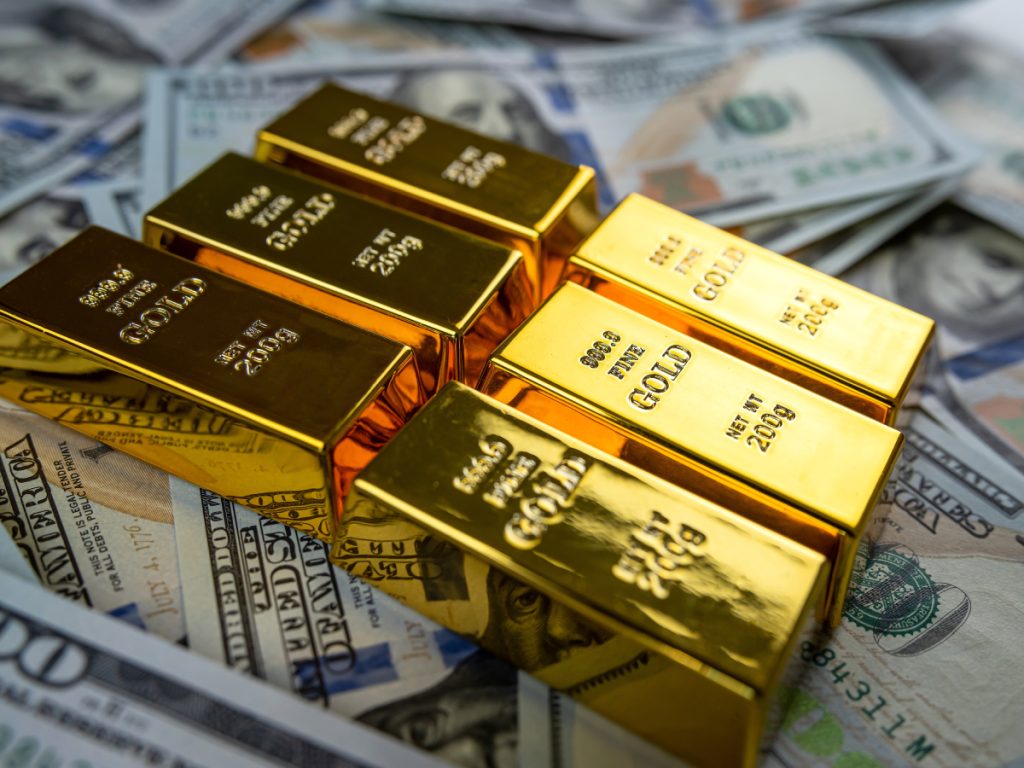
Digitalisation is expanding access to gold. Here in Dubai, about 45 tons of jewellery is consumed every year. But what’s interesting is that bar and coin demand is growing quite significantly, and a lot of that is through digital channels. You’re still buying physical gold, but you’re buying it through a website or in tokenized form. This is expanding access to gold. It’s increasing the avenues, opportunities and platforms through which you can buy it, and it’s certainly appealing to a younger demographic who perhaps don’t want to call a broker or visit a brick-and-mortar bank.
Technology is opening up the gold market to new investors. It’s also transforming how we trade gold and how we ensure it’s being responsibly sourced. We can now look at tracking systems, and this is something that we were actively looking at at the World Gold Council. We’ve invested in a blockchain company that is looking to create a digital twin of a gold bar so that you can track it from the mine site to the refiner, and potentially beyond. That gives you greater transparency, and visibility over the supply chain, so you can operationalize ESG considerations, for example.
Are you seeing an interest from the investor side in more sustainable forms of investing in gold, or is that coming from regulators?
A bit of everything. Often, when we talk to institutional investors now, the number one question we get before we talk about the fundamentals of gold as an investment asset and its role in the portfolio is: “What is its carbon footprint? What are the ESG externalities? What are we doing as the gold industry to improve the sustainability of the supply chain, to ensure that gold has been responsibly sourced?”
We’re working with a number of international partners, more on the mining side. We’ve been looking at this through an initiative called the Responsible Gold Mining Principles, which codifies all of the different rules, regulations, standards, best practices and principles that govern the production of gold into a single reporting framework. We’ve done that so that investors can make a more informed and easier decision when it comes to the ESG and the responsible nature of gold production because it harmonizes how mines report compliance with these different ESG-related standards.
We’ve also been looking at the carbon footprint of the industry as a whole and what the industry is doing to decarbonise itself. There are lots of great case studies out there of mines, for example, using renewable technology, automation and so on, to reduce their carbon footprint
“The gold mining industry does make a positive contribution to the host communities in which it operates.”
We’ve also created a report which helps quantify the carbon footprint of a gold investment. What’s interesting about gold is that, once it has been mined and refined, and it’s sitting in a vault, the carbon footprint and the other externalities diminish over time. Unlike, for example, if you’re buying equity, that’s going to be continually pumping out carbon or contributing to ESG externalities.
I think it’s also important to note that the gold mining industry does make a positive contribution to the host communities in which it operates. That can be anything from employment, tax returns and tax receipts to investment in infrastructure.
Often, gold is mined in quite remote places with a lack of infrastructure and the gold mines are bringing infrastructure to these communities, but also social infrastructure as well, building medical facilities, education facilities, roads, etc. There are cases of mines that have invested in renewable energy technologies and have been able to provide that to host communities as well. There are lots of positive things that the industry is doing to make sure that it’s making a positive contribution to society.