In the world of alternative investments, luxury handbags have emerged as one of the most intriguing assets. Once viewed solely as fashion items, designer bags have now gained recognition for their investment potential. The market for luxury handbags, especially in regions like the Middle East and Asia, has grown rapidly thanks to their strong resale values, rarity and craftsmanship. This surge in demand has led many high-net-worth individuals (HNWIs) to explore luxury bags as a legitimate asset class, competing with more traditional investments like fine art and rare cars.
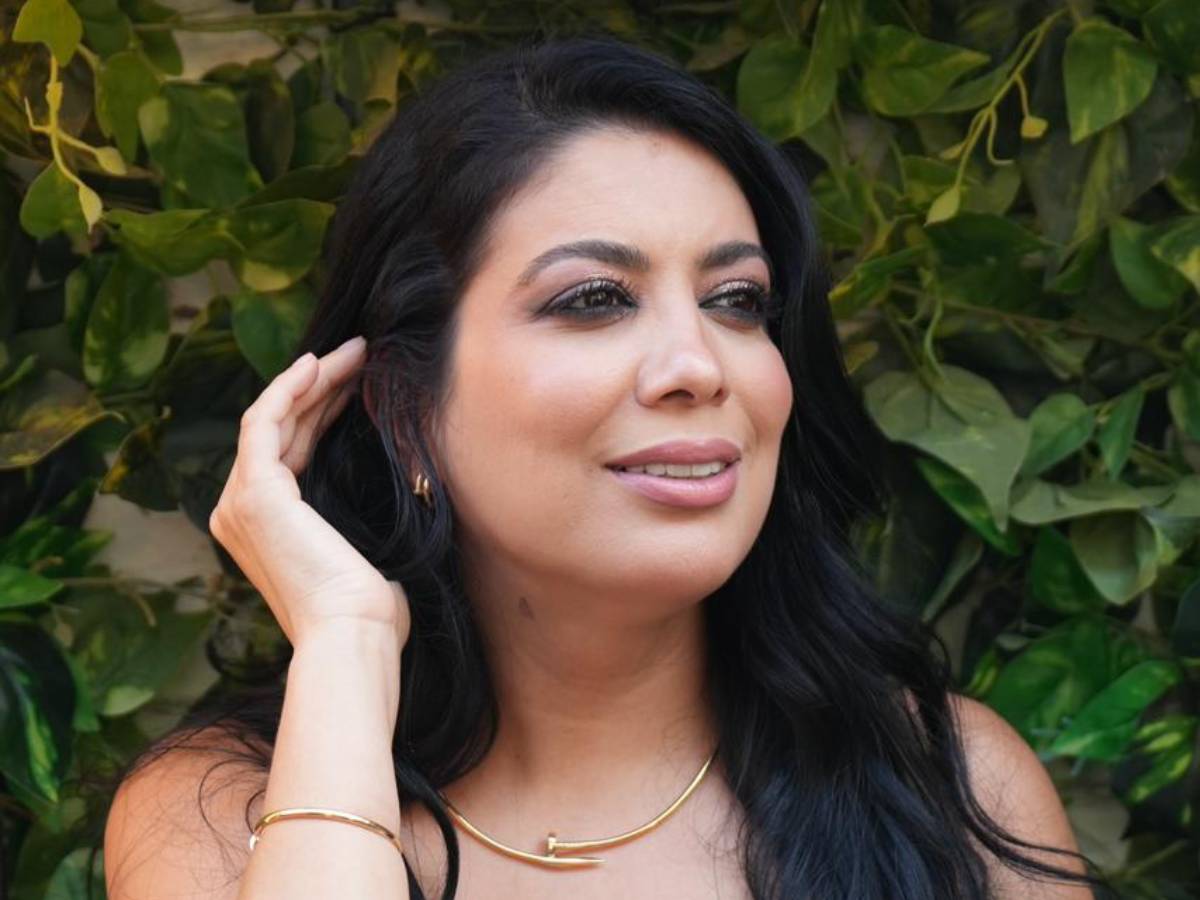
“The global luxury handbag market is growing rapidly, supported by a rising middle class and a shift in consumer preferences valuing luxury goods as status symbols,” said Fatima Al-Zohra Bekri, CEO of Tissist. “Strong resale value and social media influence, particularly through celebrities, further contribute to their investment appeal.”
The rise of designer handbags as an investment is not just a trend; it’s part of a broader shift in the way individuals view luxury goods. As consumers seek tangible investments with long-term value, luxury handbags have proven to be both stable and profitable.
Luxury handbags v/s other investments
Designer handbags are now being viewed through the same lens as other passion investments such as classic cars, art and rare timepieces. A study by Art Market Research in 2022 found that handbags outperformed all other luxury assets, delivering a 13% annual return from 2019 to 2022. This performance surpasses the more volatile returns seen in fine art, which tend to fluctuate based on market conditions and changing tastes.
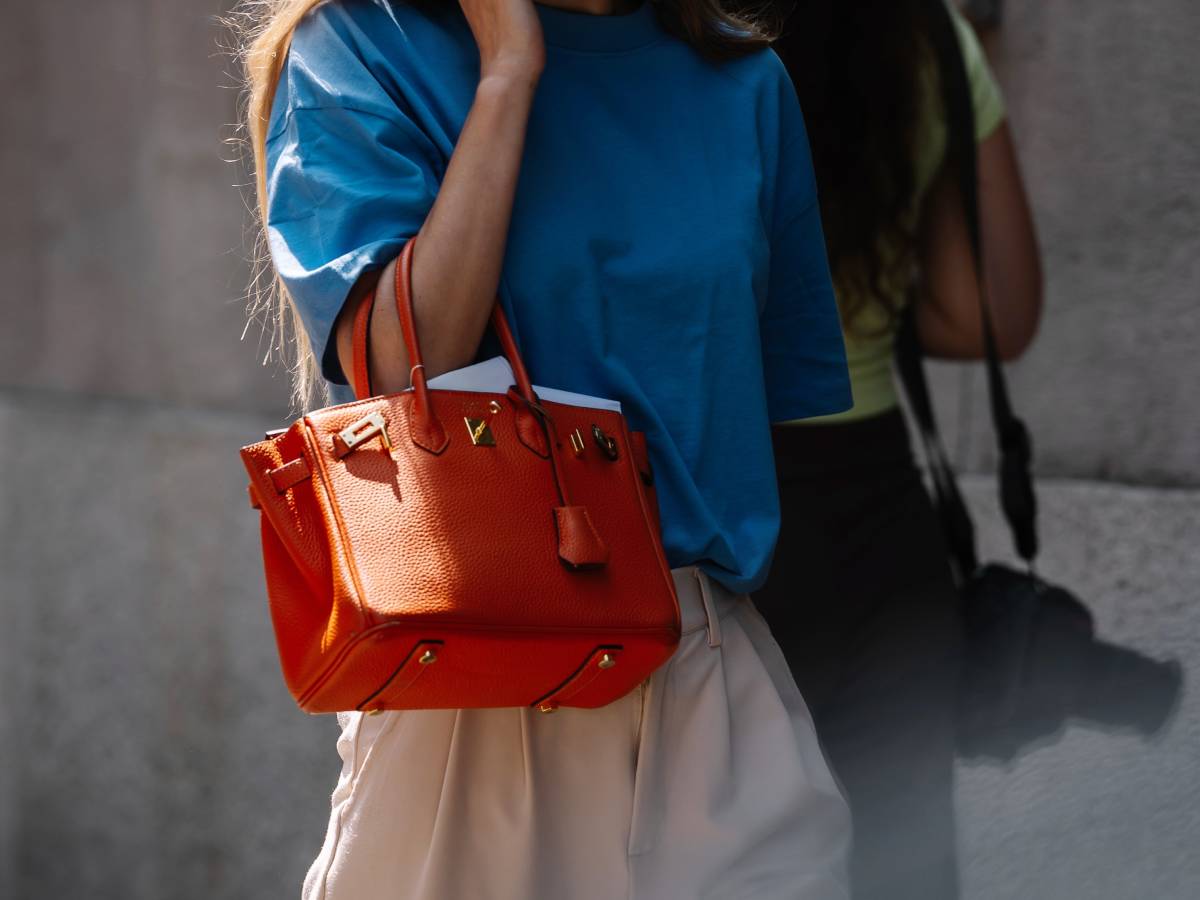
Luxury handbags also provide greater liquidity compared to assets like art or vintage cars, which often require niche buyers and longer periods to sell. Popular handbag models from brands such as Hermès, Chanel and Louis Vuitton are frequently sold through auction houses and resellers, and top pieces often sell quickly due to high demand. According to a 2023 report from Christie’s, a Hermès Birkin sold for nearly $150,000 within hours of being listed, highlighting the growing resale market for these luxury items.
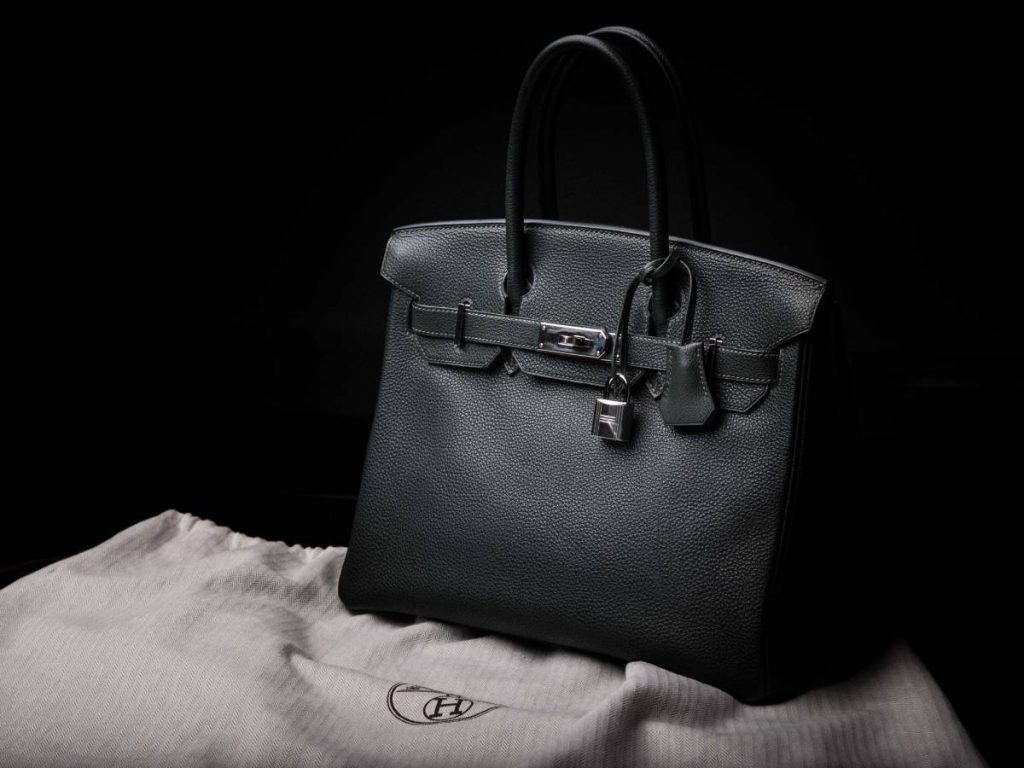
“Handbags from notorious brands demonstrate strong value retention, with some models seeing a value appreciation of up to 130%,” noted Bekri. “Overall, the luxury handbag market is experiencing rising prices due to inflation and high demand, with a notable 20% month-on-month increase in the demand for second-hand bags.”
Bekri explained that rare cars can be significant investments, but their value can be more fragile. Fine art investments tend to be less liquid and more susceptible to shifts in cultural interest. “Luxury handbag investments offer high-value retention and solid demand, which could make them a more accessible and stable alternative investment option versus rare cars and fine art products.”
Brand legacy, craftsmanship and rarity drive value
The factors that drive the value of luxury handbags are well-known in the world of alternative investments: brand, craftsmanship and rarity. Brands like Hermès, Chanel and Louis Vuitton dominate the handbag investment market, with Hermès leading the pack. Hermès Birkin and Kelly bags, in particular, are known for their craftsmanship and limited production. This scarcity not only drives up their initial price but also ensures that they retain or even increase their value over time.
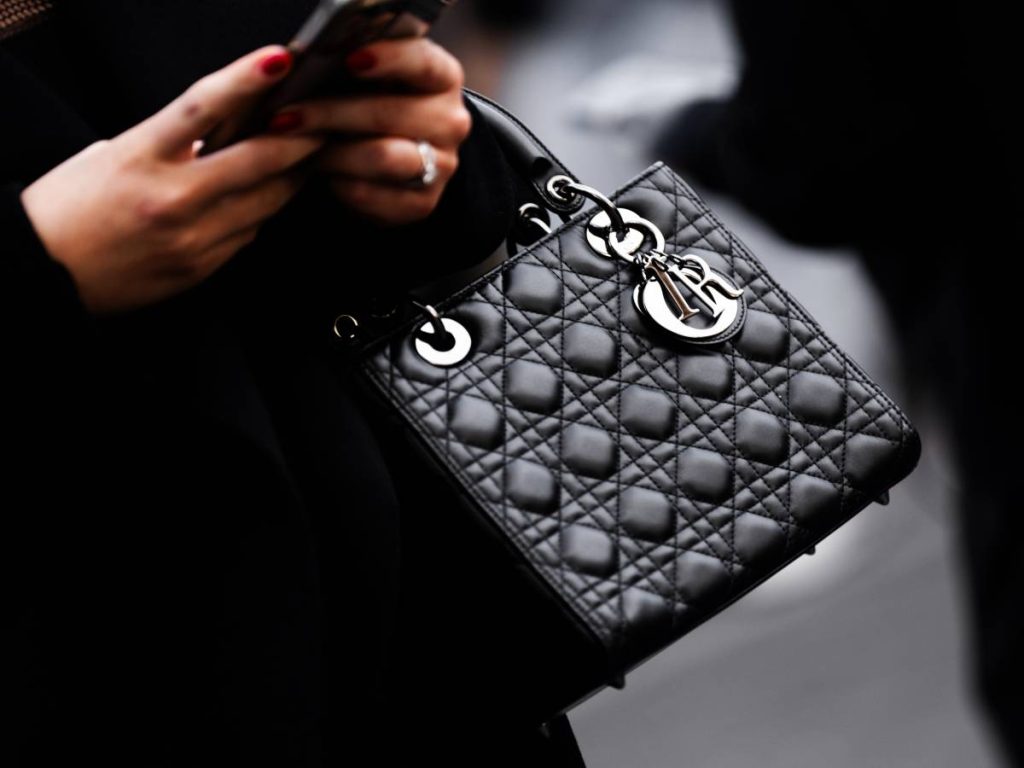
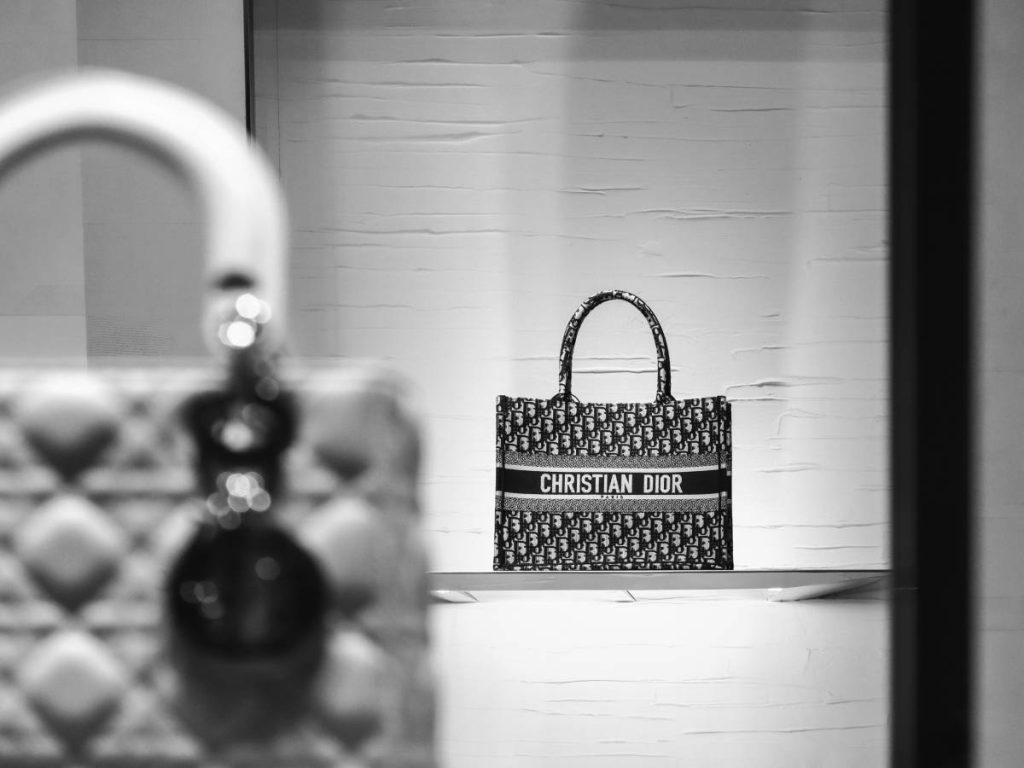
Other brands, such as Chanel, are also highly sought after, with their classic flap bags being among the most valuable on the resale market. Chanel’s price hikes over the years have further solidified its position as a brand that holds long-term value. Louis Vuitton, known for its durability and consistent demand, is another brand that investors should consider. According to data from Rebag, Louis Vuitton bags like the Speedy and Neverfull have strong resale value due to their timeless designs and global recognition.
Market dynamics
Like any investment, luxury handbags are subject to changes in market dynamics, including inflation and changing consumer preferences. However, luxury handbags have proven to be more resilient than many other assets, particularly during periods of economic instability. As inflation rates rise globally, luxury handbags offer a form of protection against currency devaluation. This is especially true in markets like the Middle East, where HNWIs favour tangible assets.
In addition to inflation, the rise of the secondary market has boosted the attractiveness of handbags as investments. Online platforms such as The RealReal, Vestiaire Collective and Rebag have made it easier for buyers and sellers to trade handbags, providing greater liquidity and transparency. These platforms offer authenticity checks and detailed pricing data, making it easier for investors to track the value of their assets and ensure they are purchasing genuine items.
“Brands such as Chanel and Louis Vuitton have raised prices by up to 20% since 2021. Despite a 7% drop in direct-to-consumer spending in 2023, many consumers still see luxury handbags as investments, leading to a rise in interest in the pre-owned market, particularly among millennials and gen Z who value unique experiences and are influenced by social media,” noted Bekri. “As a result, resale prices for designer handbags are going up, notably increasing the perceived value. The global luxury handbag market is expected to grow significantly, potentially reaching around $83 billion by 2029.”
Best investment practices
The resale market for luxury handbags has expanded significantly in recent years, driven by increased demand and greater access to market data. Investors looking to enter this market must pay close attention to three key factors: authenticity, condition and market timing.
Authenticity is one of the primary concerns for investors in this space, as counterfeit handbags are a significant problem. To mitigate this risk, it is important to purchase from reputable sources such as auction houses, authorised resellers or online platforms with strong authentication processes.
The condition also plays a crucial role in determining a handbag’s value. Well-maintained bags with minimal signs of wear and tear tend to fetch higher prices in the resale market. Keeping the original packaging and documentation also adds to the bag’s value.
Timing the market is another important factor for handbag investors. While certain models, such as the Hermès Birkin, are always in high demand, other bags may fluctuate in value based on fashion trends, celebrity endorsements and limited-edition releases. Investors should closely monitor market trends and be prepared to hold onto their assets for several years if necessary.
“Designer brands and certain particular handbag models are known for strong resale value due to their exclusivity, timeless appeal and practicality,” explained Bekri. “Mostly, iconic styles from well-known fashion houses retain and even appreciate in value over time, making them solid investments in the resale market. Also, emerging models from popular designers are seeing stronger demand, presenting great investment opportunities.”
Risks and challenges
While investing in luxury handbags can be profitable, there are risks involved. The most prominent risk is the potential for counterfeits, which have become increasingly sophisticated. Some counterfeit bags can slip through the cracks even with the best authentication methods, particularly in online transactions.
Another challenge is market volatility. The luxury handbag market, like any other, is subject to fluctuations in demand. While some brands and models have proven their resilience over time, others may lose value as trends shift or new brands emerge.
Additionally, handbags are not as liquid as stocks or bonds. While the resale market is strong, finding a buyer at the right price can sometimes be challenging. For this reason, handbag investments should be balanced with more liquid assets to maintain flexibility within a portfolio.
“Limited knowledge about brands can make it difficult to identify authentic items and their true market value,” Bekri warned. “Investors should consider using professional authentication services to ensure the authenticity of the goods. To assess resale value, it is essential to research market trends, evaluate the handbag’s condition, and obtain fair market valuations.”
Future trends and emerging brands
As the luxury handbag market continues to grow, investors should be aware of emerging trends and brands. In recent years, sustainability has become a major focus in the luxury goods market, with brands like Stella McCartney and Gucci leading the charge in eco-friendly designs. These brands, while not yet as established as Hermès or Chanel, are likely to attract a new generation of consumers who prioritise ethical production methods.
Additionally, the rise of digital platforms and the growing acceptance of handbags as investment assets have led to greater price transparency and more sophisticated pricing models. This has made it easier for investors to track the value of their assets and make informed decisions.
The Middle East, in particular, has seen a surge in demand for luxury handbags. With cities like Dubai becoming global hubs for wealth, the appetite for tangible assets, including handbags, is expected to grow in the coming years.
Luxury handbags have evolved from fashion accessories to legitimate investment assets. With strong resale values, liquidity and resilience against market dynamics, they have become a favoured alternative investment for HNWIs. However, investors must be aware of the risks involved, particularly in terms of authenticity and liquidity, and should approach handbag investments with the same level of diligence as any other asset class.