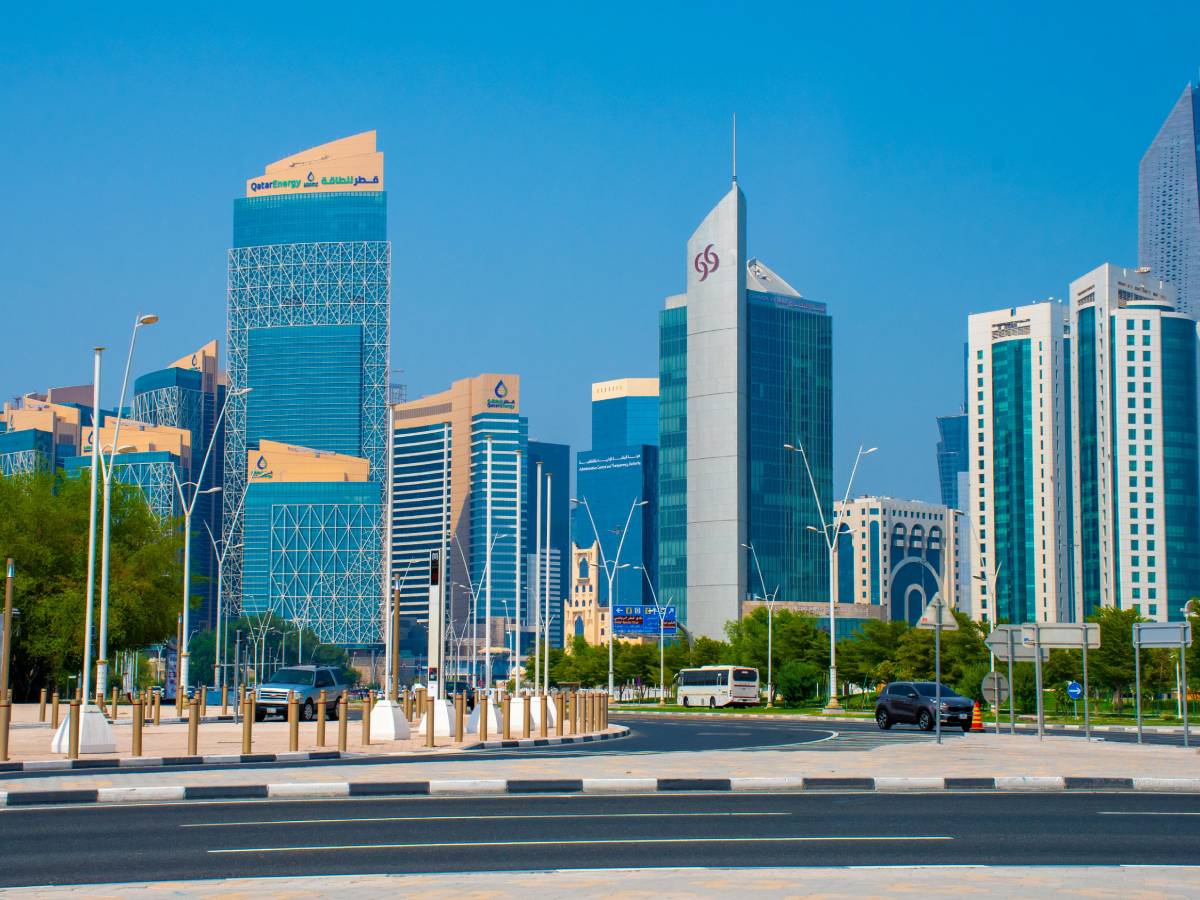
Qatar’s banking sector is set to navigate a complex landscape in 2025, with moderate growth prospects driven by LNG expansion and a stable macroeconomic backdrop. However, high external debt exposure and a cyclical real estate market pose notable risks. According to S&P Global’s latest report, Qatari banks are expected to remain resilient due to strong capitalisation, government support, and a manageable decline in profitability despite interest rate cuts.
The report indicates that while geopolitical tensions remain high in the Middle East, Qatar’s economy is projected to stabilise. Real GDP growth is expected to average 2% in 2024-2025 before accelerating to 5.8% in 2026-2027, driven by the North Field Expansion project, which will increase liquefied natural gas (LNG) production by 35%.
However, the completion of major infrastructure projects and a gradual normalisation of non-hydrocarbon economic activity may reduce public sector-driven credit demand. Domestic credit growth is forecast to slow to around 5% in 2025-2026, a significant drop from the 11% annual average between 2019 and 2022.
Asset quality and real estate risks
Qatari banks’ asset quality is expected to remain stable but faces risks from elevated exposure to the real estate sector, which accounts for nearly 40% of total domestic credit. Continued downward pressure on real estate prices could lead to an increase in nonperforming loans (NPLs), particularly at midsize banks. Despite these concerns, the report highlights that precautionary provisions and government diversification initiatives—such as investments in tourism and non-hydrocarbon sectors—will likely prevent a sharp deterioration in asset quality.
NPLs are projected to remain at approximately 4% in 2025 before improving in 2026, reflecting anticipated economic growth and higher lending activity linked to LNG-related investments.
Profitability amid interest rate cuts
The profitability of Qatari banks, bolstered by recent monetary tightening, is expected to moderate as interest rates decline. The Qatar Central Bank (QCB) is expected to mirror the US Federal Reserve’s cumulative rate cuts, potentially reducing rates by 175 basis points by the end of 2025. As a result, net interest margins may narrow, although the shift to domestic funding sources—despite being more expensive than external debt—will help cushion the impact.
The cost of risk is expected to decline due to the supportive economic environment and easing financial pressures on struggling sectors, including real estate.
Strong capital buffers
Qatari banks remain well-capitalised, with total capital adequacy ratios and Tier 1 capital levels comfortably exceeding QCB’s minimum requirements of 12.5% and 10.5%, respectively. The report notes that shareholder support and conservative dividend policies—typically below 50%—will help maintain robust capitalisation levels.
The funding structure is also expected to shift further towards local deposits. External debt, which accounts for approximately one-third of domestic credit, has declined as infrastructure projects wind down. However, the risk of capital outflows remains if regional geopolitical tensions escalate. Nonetheless, Qatar’s track record of government support mitigates concerns about financial instability in the event of external funding pressures.
Outlook and sector resilience
S&P Global’s report affirms a stable outlook for Qatari banks in 2025, underpinned by strong capital buffers, manageable asset quality risks, and continued government backing. However, key risks include prolonged real estate sector pressures and external shocks that could destabilise funding flows.
The report also notes that banks exposed to Turkey and Egypt will likely see their contribution to loan books shrink further due to currency depreciation in those markets, shifting the focus back to domestic credit growth.