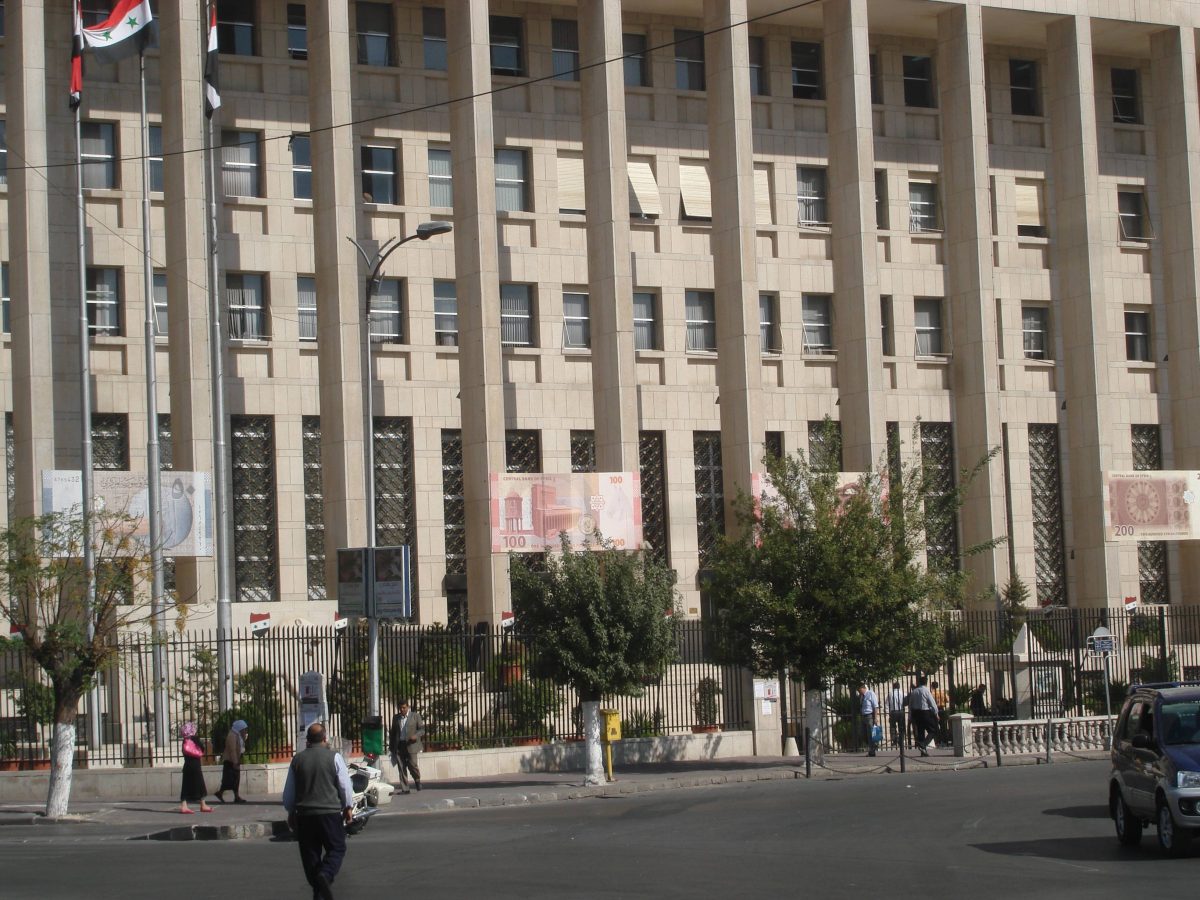
Maysaa Sabreen, recently appointed as Syria’s first female central bank governor, has announced plans to increase the Central Bank of Syria’s autonomy in monetary policy decisions. Sabreen, who succeeded Mohammed Issam Hazime in late 2024, stated that the bank is drafting amendments to its governing laws to facilitate greater independence. “The bank is working on preparing draft amendments to the bank’s law to enhance its independence, including allowing it more freedom to make decisions regarding monetary policy,” she told Reuters.
Under the previous Assad regime, the central bank’s policies were heavily influenced by government directives. Sabreen’s initiative represents a shift towards granting the institution more control over monetary matters, a move economists consider vital for achieving long-term macroeconomic and financial stability.
Sabreen also indicated plans to expand Islamic banking services to attract Syrians who have traditionally avoided conventional banking. “This may include giving banks that provide traditional services the option to open Islamic banking branches,” she noted.
Addressing concerns about inflation, Sabreen emphasised the bank’s intent to avoid printing additional Syrian pounds, a practice that previously contributed to inflation. “The bank wants to avoid having to print Syrian pounds because this would have an impact on inflation rates,” she said.
Regarding the central bank’s foreign exchange and gold reserves, Sabreen declined to provide specific figures, citing an ongoing balance sheet review. However, sources informed Reuters in December that the bank held nearly 26 tons of gold, valued at approximately $2.2 billion, along with around $200 million in foreign currency and a substantial amount of Syrian pounds.
Despite existing US sanctions on the central bank, Sabreen assured that there are sufficient funds to meet civil servant salary obligations, including a 400% raise promised by the new administration. She did not elaborate on the details. Reuters reported that Qatar would assist in financing the public sector wage increase, facilitated by a US sanctions waiver effective January 6, allowing transactions with Syrian governing institutions.
Sabreen’s immediate priorities include stabilising the national currency, curbing inflation, and restructuring state-owned banks. She also plans to introduce regulations for money exchange and transfer services, which have become crucial sources of hard currency.
The Syrian pound has depreciated significantly, from approximately 50 pounds per US dollar in late 2011 to just over 13,000 pounds per dollar as of January 13, 2025. The World Bank estimated that annual inflation nearly doubled year-on-year in 2023.
The US recently issued sanctions exemptions to facilitate humanitarian aid, energy sector activities, and remittances to Syria, though the central bank remains under sanctions. Sabreen views the allowance of personal transfers from Syrians abroad positively and hopes for a complete lifting of sanctions to enable Syrian banks to reconnect with the global financial system.