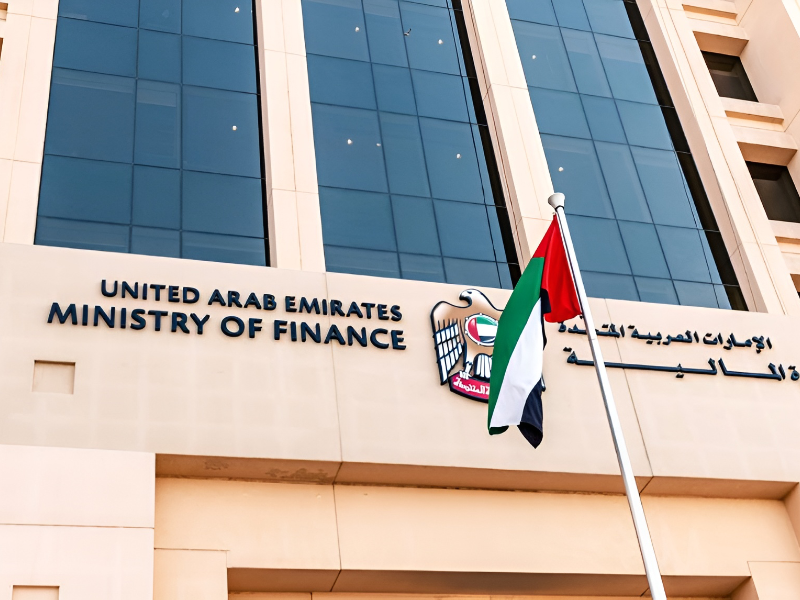

The UAE has long served as a dynamic playground for ambitious businesses, owing to its varied spectrum of benefits for entrepreneurs, such as flexible operational options and, historically, no corporation tax. The pivotal moment that further incentivised the influx of these businesses was the establishment of free zones, which allowed foreign investors to establish 100% ownership. Another significant shift came in June 2023 when the Federal Government introduced corporate tax, and a 9% tax was levied on mainland profits exceeding Dh375,000 while initially exempting free zone entities.
As these regulations continue to reshape the UAE corporate landscape, Dubai recently announced a new rule to unify mainland and free zone companies under a single tax framework. Under this provision, free zone companies are now allowed to establish mainland branches, providing an opportunity to strengthen their customer base and offer operational flexibility. However, this expansion also stipulates that the company must maintain separate tax records. Once entirely tax-free, free zone entities must now pay a 9% tax on profits derived from mainland business activities, ensuring a level playing field for all types of organisations.

This new tax regime necessitates thoughtful planning by free zone businesses, as they must ensure compliance while still leveraging tax benefits through their regular operation. Below are four tips on how free zone companies can operate strategically under the new rules:
- Focus on qualifying activities Free zone companies can protect their zero per cent tax rate by doubling down on qualifying activities such as manufacturing, logistics, or dealings with other free zone businesses. Companies can also shift their operations to emphasise these areas. For example, a free zone company importing raw materials, assembling products, and selling them to another free zone entity can keep all profits tax-free.
- Smart structuring for mainland transactions Income for free zone companies derived from activities with mainland business is now prone to a 9% tax — unless tied to qualifying activities that help avoid creating a “permanent establishment” (like a branch office) in the mainland. This is where companies can put smart structuring into play: designing operations to keep income qualifying without triggering Mainland tax rules.
- Use the de minimis tax rule wisely: The new law allows companies to redeem up to 5% of total revenue without losing their tax-free status on qualifying income. This requires tracking income streams separately and using a tax advisor to monitor all revenue streams.
- Build smarter tax plans: To stay ahead, free zone companies need robust systems to prove compliance and minimise tax liabilities. Maintaining detailed records through contracts, invoices, staff payrolls, and asset lists in the free zone is essential.
Far from being an obstacle, Dubai’s new free zone rule allows businesses to restructure how they can collaborate and thrive within the new landscape. This change signals a maturing economic environment, reinforcing the UAE’s commitment to transparency and long-term stability.