Cross-border flows, SME confidence and digital inclusion are rapidly reshaping the payments landscape in West Arabia. Against national reform agendas and rising fintech innovation, infrastructure to support digital payments is expanding fast. At the centre of this shift is Mastercard, whose evolving regional role now includes digital ecosystem design, cybersecurity resilience and multi-stakeholder partnerships aimed at scaling access across financial and social sectors.
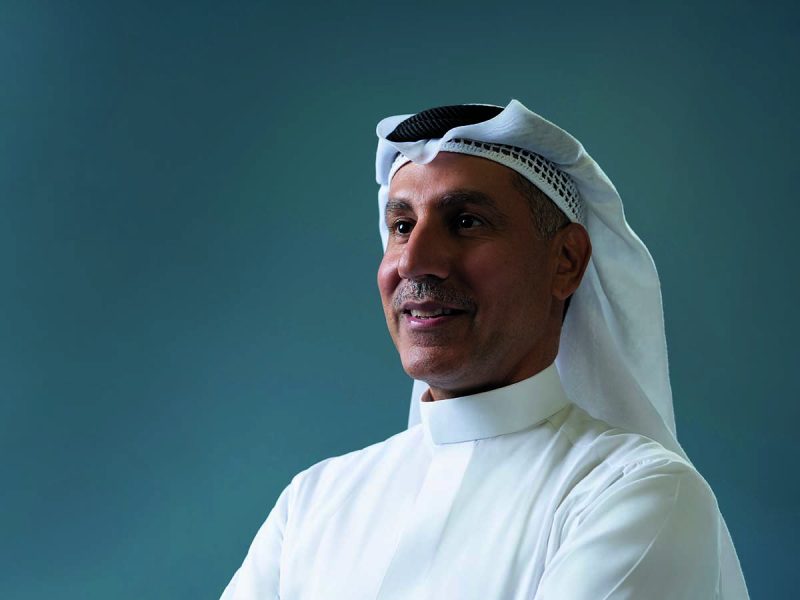
“West Arabia is a dynamic region that is home to countries as diverse as Saudi Arabia, Egypt, Bahrain, Iraq, Jordan and Lebanon. While the whole region is transforming, each of these markets is at a different stage of digital maturity and is pursuing its own priorities,” said Adam Jones, Division President, West Arabia, Mastercard. “Saudi Arabia is an emerging economic force, driven by its ambitious Vision 2030 that seeks to build a thriving economy by tapping into innovation, digital transformation and diversification as key enablers of sustainable development and future prosperity. Bahrain, one of the region’s rising financial hubs, provides an enabling environment for fintech innovation. Egypt is a place where evolution is constant, and its government is making concerted efforts to propel the nation’s infrastructure into the digital age. Meanwhile, Iraq, Jordan and Lebanon are working to build digital payment ecosystems and expand their benefits to underserved segments of society.”
Ecosystem architect
Mastercard’s regional presence has long extended beyond transaction rails and card issuance. As digital policy reforms across the region accelerate, the company has shifted from a traditional payments player to a co-architect of national infrastructure. “In all these countries, Mastercard’s true reach and diverse impact is evident–from driving financial inclusion and empowering small businesses to advancing innovative infrastructure and developing national payment ecosystems,” Jones said. “Over the course of our presence in the region, our role has evolved from a pioneering technology provider to a forward-thinking advisor and trusted business innovation partner.”
Mastercard has doubled down on digital transformation by working with public and private sector stakeholders to build secure, interoperable systems. “We actively contribute to advancing digital transformation efforts to benefit governments, businesses and people. We leverage our collaborative customer-centric approach to unlock new opportunities, working with telcos, fintech companies, banks and multiple sectors to fuel inclusive growth. We take pride in adding value to the economies we serve.”
Cross-border payment modernisation
A core driver of this value is remittance modernisation. According to recent data, expatriate remittances from Saudi Arabia surged to SAR 144.2 billion ($38.45 billion) in 2024, a 14% surge year-on-year. Figures from the Saudi Central Bank, also known as SAMA, revealed that this figure is the highest in three years.
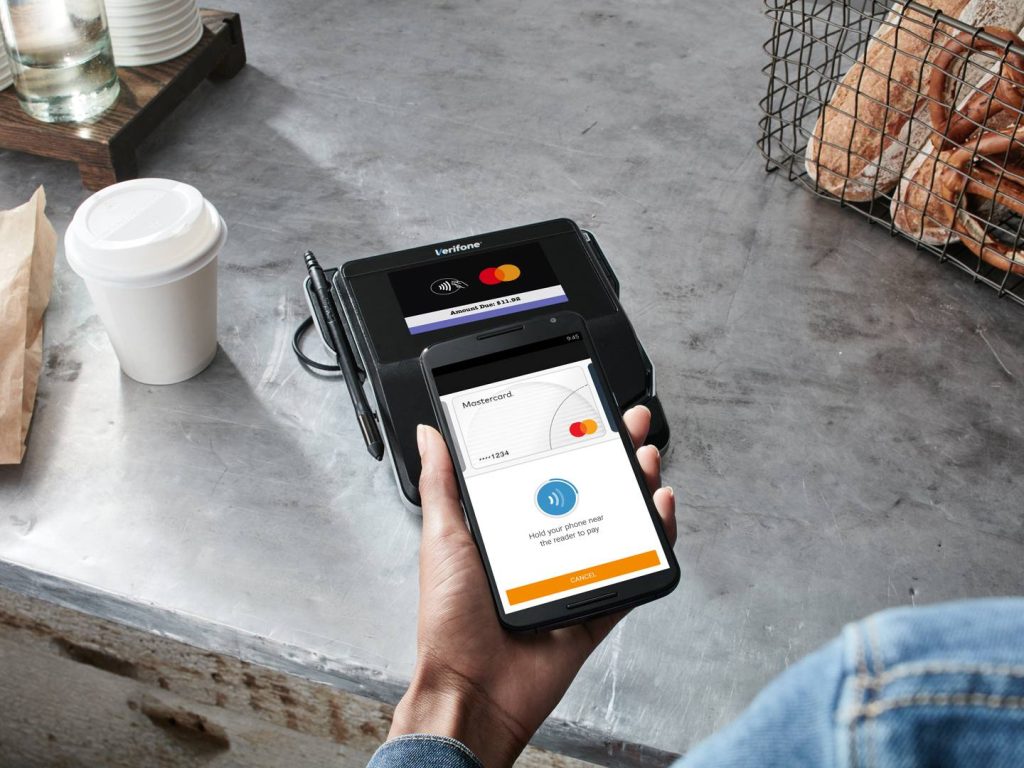
Gulf-based expats send billions back home annually, and traditional money transfer methods remain slow, opaque and costly. “Cross-border payments serve as a lifeline between expats working in thriving economies and their families back home. In Saudi Arabia, economic prosperity and local reforms are expected to sustain remittance growth through 2025 and beyond, while the continued digitisation of the payments industry allows senders as well as recipients to shift to more efficient digital and mobile channels,” Jones said.
Mastercard Move, the firm’s money movement platform, spans over 150 currencies and 180 countries, with connections to 95% of the world’s banked population. It supports real-time transfers, bank payouts, and wallet-to-wallet capabilities.
In West Arabia, partnerships with urpay, tiqmo and Neoleap in Saudi Arabia, stc pay in Bahrain, and Cairo Amman Bank in Jordan bring Mastercard Move benefits to end users. The payments giant has also partnered with Alipay to directly connect to over 1 billion accounts in China.
Fueling fintech scale and innovation
West Arabia’s fintech scene is gaining momentum, with Saudi Arabia and Egypt leading the charge. In Saudi Arabia, the number of fintechs exceeded 200 in 2024, a 30% year-on-year increase, according to the Saudi British Joint Business Council. “Innovative fintech players are contributing to the rapid digital transformation that makes people’s lives more convenient, simpler and rewarding,” explained Jones. “Mastercard plays a role in this positive disruption,” he said. “Through our portfolio of products and services, powered by the latest secure technologies, fintech innovators can plug into our capabilities.” According to Jones, this provides an express lane for fintech players of all sizes to scale their offerings.
To simplify onboarding, Mastercard has launched a suite of platforms under the Mastercard Accelerate umbrella, including Mastercard Developers, Mastercard Engage, Fintech Express and Start Path. These help fintechs of different sizes integrate Mastercard’s APIs and services.

“In Saudi Arabia, we initiated a collaboration with MyFatoorah to bring a new digital payment platform, powered by Mastercard Gateway, to its 75,000+ merchants in the region. We have also joined forces with SingleView to facilitate access to corporate and commercial payment solutions for businesses. Most recently, we have partnered with LikeCard to introduce an innovative digital family banking platform in three countries, including Saudi Arabia,” explained Jones. “We are also working with Fintech Saudi to accelerate the growth of the Kingdom’s fintech industry and drive meaningful collaboration in this space. We use our expertise, advisory services and solutions to help fintech innovators go to market faster, scale their businesses and unlock new opportunities.”
Rethinking inclusion and impact
Beyond account access and digital onboarding, Mastercard has adopted a broader view of financial inclusion. The World Bank estimates that 31% of adults in the MENA region don’t have an account at a formal financial institution. “For us, financial inclusion is about ensuring everyone is connected to the digital economy because that is the economy–and it’s the only way to ensure sustainable, inclusive growth,” noted Jones. “Every day, we focus on addressing real needs. Our innovative digital connectivity initiatives include wage digitisation, social disbursements, gig worker platforms and mobile money solutions that support inclusion across different groups.”

The company pledged to bring 1 billion people and 50 million MSMEs into the digital economy by 2025. It has already met its MSME goal ahead of schedule. “We believe SMEs are key drivers of economic growth and the lifeblood of communities. That’s why we are committed to empowering every business with the digital tools, insights, technology services, cyber assessments, digital training and knowledge they need to thrive.”
According to the Mastercard SME Confidence Index 2025, 93% of SMEs in Saudi Arabia are optimistic about the next 12 months. Ninety nine per cent accept digital payments—up from 88% in 2023. Respondents cited improved credibility, faster access to funds and operational efficiencies as top benefits.
In Bahrain, The Mastercard Center for Inclusive Growth launched, in collaboration with Tamkeen, the first Mastercard Strive programme in the Middle East, aimed at advancing financial and digital readiness for SMEs. In Egypt, Mastercard is working with MaxAB, one of the country’s fastest-growing business-to-business (B2B) marketplaces, to help 100,000 small retailers accept digital payments. On the consumer side, Mastercard’s work with RISE and CDS in Egypt helped digitise wages for 24,000 factory workers. Mastercard’s Touch Card has been launched in Bahrain, Saudi Arabia and Egypt to support partially sighted and blind users.
Public-private partnerships
Across the region, Mastercard has leaned into government collaborations to deliver national-scale infrastructure. “Government-led payment digitisation initiatives that leverage the technology, experience and expertise of trusted private sector companies are boosting financial inclusion, driving socio-economic development, mitigating the risks of a shadow economy and accelerating the shift to digital,” Jones said.
At Mastercard, we enable fast, convenient, secure and affordable ways to send money internationally
In Saudi Arabia, Mastercard Gateway technology is helping merchants comply with Saudi Payments’ requirements to route all domestic transactions through the national payment network mada. The company also co-developed sarie, the Kingdom’s real-time payments system, in partnership with Saudi Payments. Mastercard Gateway technology paired with the global network of more than 200 acquirers give over 500 thousand merchants access to ongoing innovation and more than 110 million acceptance locations. In 2023, Mastercard Gateway processed more than 950 million payments in Saudi Arabia, across all payment methods, supporting the growth of digital commerce in the market.
The payments giant partnered with The BENEFIT Company in Bahrain to co-create digital payment solutions aligned with national goals.
In Egypt, Mastercard supports the Central Bank of Egypt and EBC on tokenisation regulations and is helping the New Administrative Capital become the country’s first cashless city. The firm also partnered with the Greater Amman Municipality in Jordan to digitise transit payments.
Securing the digital future
Rapid digitalisation comes with risk. As payments volumes grow, so does cybercrime. According to Statista, the global cost of cybercrime could hit $15.6 trillion by 2029. “As the digital economy grows, so do the intentions of cybercriminals, who are ready to exploit weak links,” Jones said. “We work with our partners to develop innovative cybersecurity solutions, powered by advanced identity and AI technologies.”
Recent acquisitions like Brighterion, NuData, RiskRecon and Recorded Future have strengthened Mastercard’s AI-powered fraud detection. Brighterion is already deployed across 60,000 merchants in the region through Network International.

In 2023, Mastercard launched Decision Intelligence Pro, a GenAI-powered fraud solution with up to 300% improved detection rates.
Cyber Resilience Center
To further support ecosystem trust, Mastercard launched its Cyber Resilience Center in Saudi Arabia. The initiative brings together key players from the financial sector to foster collaboration and support shared goals in building a secure commerce and payment ecosystem in the Kingdom. This is Mastercard’s first initiative in Middle East, extending the company’s global network of cyber resilience centres which includes locations in Europe and the US. “The centre will help counter the evolving threat landscape and the expanding cyberattack surface across the region to protect its fast-evolving digital economy,” noted Jones.
Riyad Bank has joined as the centre’s first partner. Mastercard aims to use the facility to train local talent and help build a cybersecurity centre of excellence in the Gulf.
Enabling a tokenised economy
Mobile adoption is a priority across both urban and rural areas. Mastercard is working to ensure digital transformation does not deepen the digital divide. It partnered with Ingiz and Masria Digital Payments in Egypt to launch a youth-oriented financial literacy app. The company also rolled out ‘Master Your Card: Finance Demystified’, a free online financial literacy course for unbanked users. “In the pursuit of enhanced financial inclusion, an approach that incorporates multi-stakeholder collaboration with concerted efforts to improve financial literacy is key,” said Jones.
Mastercard processes more than 1 billion tokenised transactions weekly. By 2030, it aims to fully eliminate manual card entry by combining tokenisation with biometric authentication to secure every transaction.
With an extensive partner network, tailored technology stack and growing influence in national financial infrastructure, Mastercard is playing a central role in shaping West Arabia’s digital economy. From fintech scale to wage digitisation and cybersecurity readiness, the company is embedding itself deeply into the region’s inclusive growth blueprint and bridging the gap between policy ambition and everyday payments reality.