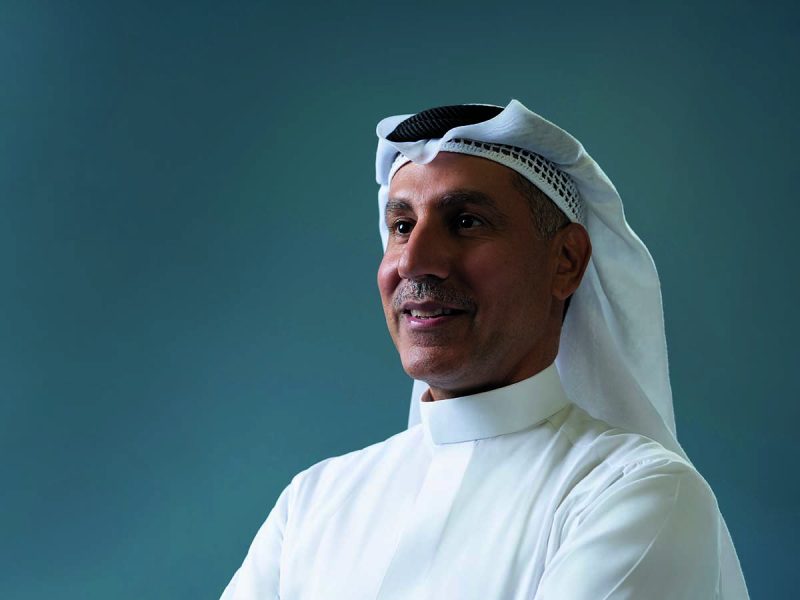
When Air India Flight 171 crashed into the hostel and dining block of BJ Medical College in Ahmedabad on June 12, it killed four medical students and several family members of doctors living on campus. The tragedy sent shockwaves across the medical community. One of the most visible responses came from UAE-based healthcare entrepreneur Dr Shamsheer Vayalil, who pledged Dh2.5 million (₹6 crore) to assist the families of those affected.
“This was more than just a tragic incident,” Dr Vayalil told Finance Middle East in an exclusive interview. “These were young medical students who had chosen a life of care and service. Their lives ended before they had a chance to begin that journey. The decision to step in came from a sense of shared humanity and connection with the medical community.”
Sense of camaraderie
Before leading Burjeel Holdings, one of the UAE’s largest private healthcare groups, Dr Vayalil studied medicine in India, spending years in student hostels in Mangalore and Chennai. That background made the incident feel especially personal.
“I spent years living in medical hostels while studying in Mangalore and Chennai,” he said. “Those spaces meant long nights of study, shared meals in the mess, pressure, and a sense of camaraderie. The images from the damaged hostel and mess hall brought all of that flooding back. It was difficult to watch. I saw myself in those students. That’s what made this tragedy feel so personal, and why it felt important to stand with the students and their families in whatever way possible.”
The crash claimed the lives of Jaiprakash Choudhary, Manav Bhadu, Aaryan Rajput, and Rakesh Diyora, all MBBS students in the early years of training. Several of their peers were seriously injured. Family members of doctors also died in the impact.
“These students started the day thinking about lectures, assignments, and patients,” Dr Vayalil said in a public statement. “Their lives ended in a way none of us could ever imagine. It hit close. Too close.”
Aid structure
Dr Vayalil’s ₹6 crore package includes ₹1 crore (approximately Dh426,000) for each of the four deceased students’ families, ₹20 lakhs (approximately Dh85,000) each for the five injured students, and ₹20 lakhs each to the families of the five deceased relatives of doctors.
“The support is intended for all students and family members of doctors from BJ Medical College who were directly affected,” he told Finance Middle East. “An assistance amount of ₹1 crore will be given to each of the four students’ families. The remaining support will go to families of doctors who lost loved ones and to injured students.”
The funds will be disbursed in coordination with the Junior Doctors’ Association at BJ Medical College.
“The goal is to ensure that everything is handled with care and respect. This is not only about financial assistance but also about offering solidarity and compassion.”
Past philanthropy
This is not the first time Dr Vayalil has responded to tragedy. In 2010, following the Mangalore air crash, he provided financial aid and employment opportunities to impacted families. During the pandemic, he donated a 500-bed hospital to the Indian government and supported tens of thousands of workers and families across the Gulf. His philanthropic efforts have also extended to crises in Syria, Somalia, Turkey, Kerala, and Gaza.
“These students had committed themselves to a path of serving the community. Their dreams were interrupted, but their intent should not be forgotten,” he said. “This gesture is a way to honour their memory and support the community they were part of. In times like this, standing together matters most.”
Although he has not yet spoken directly to the families of the victims, he confirmed that his team is working closely with the Junior Doctors’ Association and relevant authorities to ensure the aid reaches those in greatest need.
“These young men were part of the same fraternity I once belonged to,” he added. “I know what it’s like to stay up preparing for clinical exams, to crowd around a table in the mess hall, to walk into a hostel room after a tiring shift. That life builds not just doctors, but character. And to have that life stolen, so violently, so suddenly, is heartbreaking.”
The response, he emphasised, is not just financial—it is about acknowledging the shared grief and collective responsibility of the medical profession to care for its own.