Kuwait has implemented a new round of capital market reforms under Phase 3.2 of its Market Development Programme, targeting regulatory efficiency and the introduction of new investment products. The initiative is being led by the Capital Markets Authority in partnership with the Central Bank of Kuwait, Boursa Kuwait, Kuwait Clearing Company, and various financial institutions, including local banks, investment firms and brokerages.
A central element of the reform is the rollout of a central counterparty clearing (CCP) framework, designed to reduce settlement risk and bring Kuwait’s post-trade infrastructure in line with global benchmarks. The changes also include enabling cash settlement through local banks and the Central Bank’s KASSIP system, the reclassification of brokerage firms under a new Qualified Broker model, and the introduction of sub-account structures to improve transparency in omnibus accounts.
In parallel, technical and IT infrastructure have been upgraded to support the listing and trading of new financial instruments such as exchange-traded funds, bonds and sukuk. Legislative amendments to facilitate these asset classes are expected to follow. The reforms represent the most extensive operational changes since the privatisation of the Kuwaiti stock exchange and are aimed at diversifying investment options, enhancing market depth, and strengthening regulatory oversight.
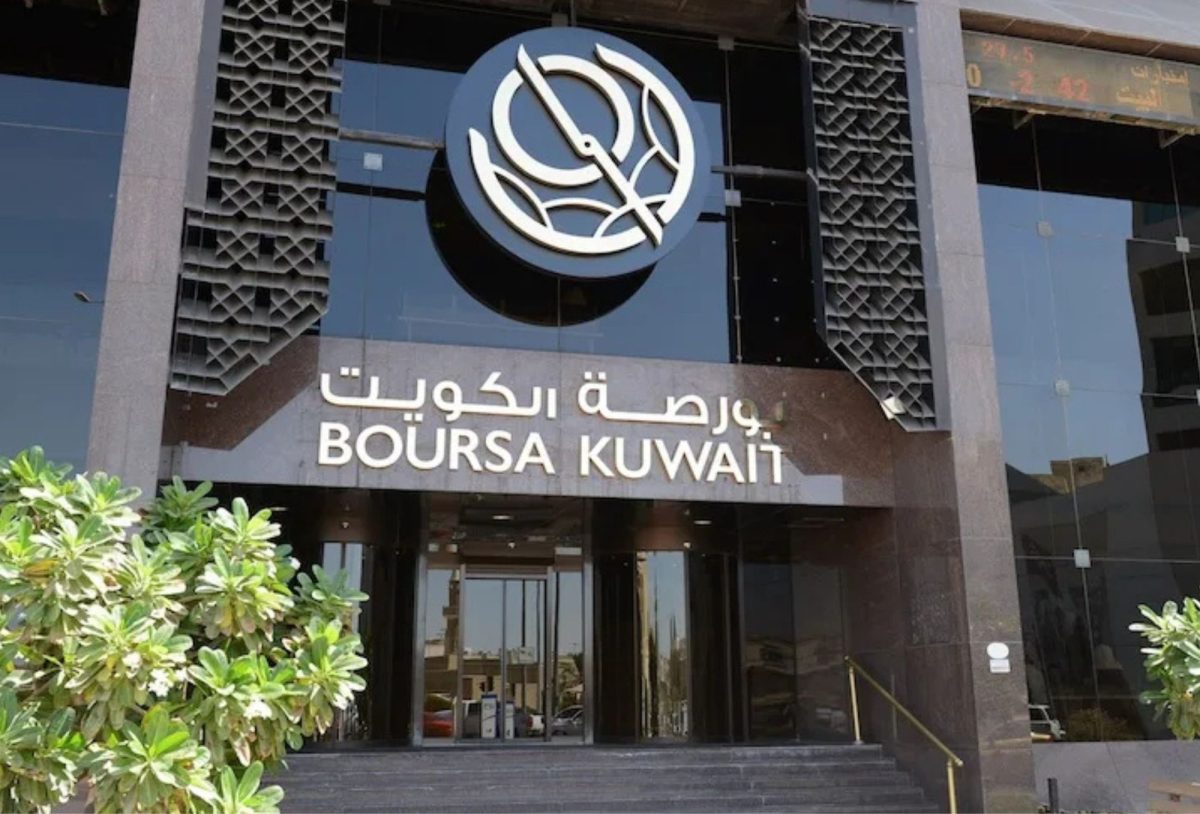
Boursa Kuwait, which led much of the implementation, said the updated trading system lays the foundation for future product launches, including derivatives. Chairman Bader Nasser Al Kharafi said the developments reinforce Kuwait’s ambition to become a competitive regional financial hub and support long-term economic objectives. CEO Mohammed Saud Al Osaimi noted that the changes reflect close cooperation across the capital markets ecosystem and are key to building a transparent and resilient investment environment aligned with international standards.