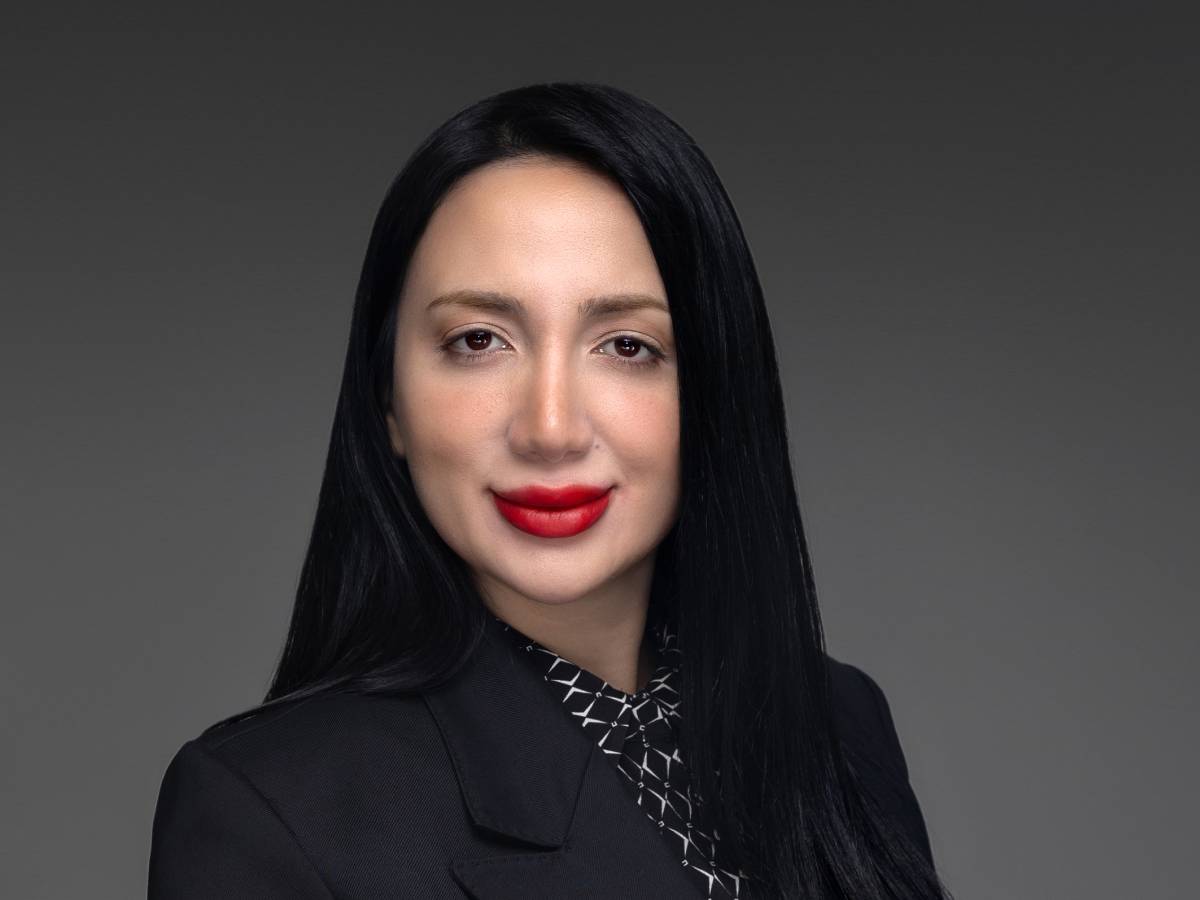
When Apricot Capital DIFC Limited received its DFSA licence in November 2024, it was a relatively new name in the Gulf’s crowded financial services market. Nine months later, Senior Executive Officer Ofelya Aghakaryan says the first phase of operations has been about more than putting systems in place. It has been about showing a strong commitment to compliance and service quality, a combination she believes is essential for winning institutional trust.
“We’ve successfully expanded our team of seasoned professionals, each bringing a wealth of experience from top-tier global institutions, and we’ve implemented a comprehensive operational and technological infrastructure,” she said. “This phase has been about more than just setting up; it’s been about demonstrating our unwavering commitment to regulatory compliance and service excellence.”
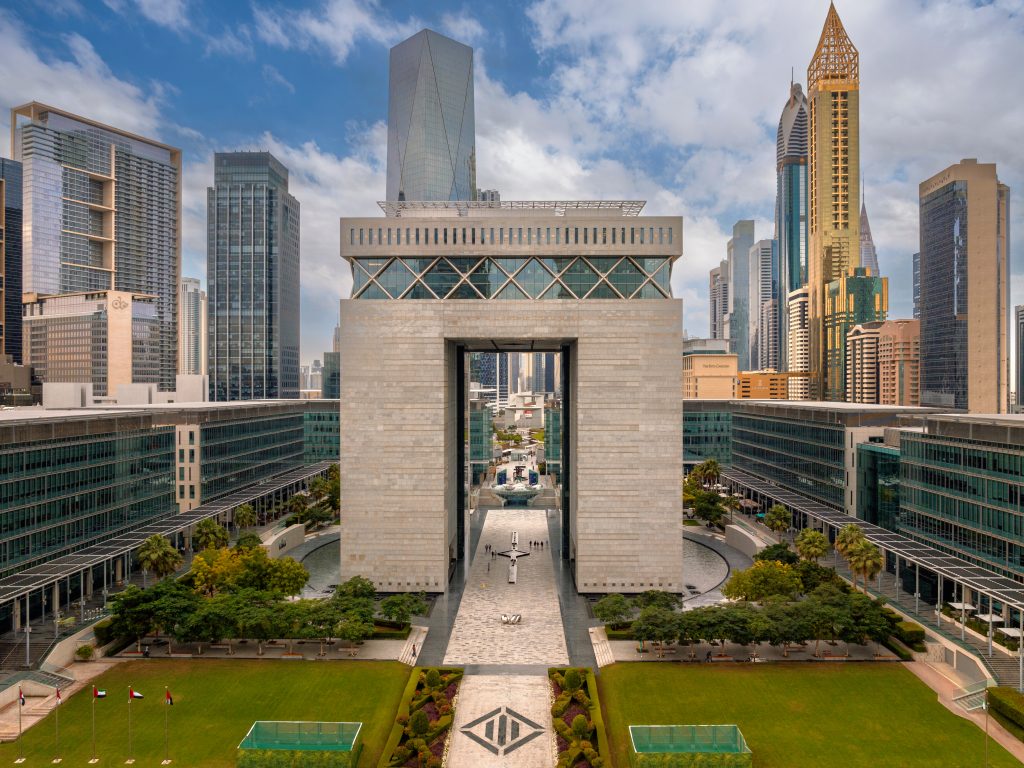
The firm operates under a Category 2 licence, which allows it to provide brokerage, custody and advisory services to professional clients and market counterparties. In Aghakaryan’s view, the DIFC’s standing as one of the most respected regulatory jurisdictions in the world is central to the value proposition. “This licence signals our commitment to upholding the highest international standards, which is a major draw for clients seeking a stable, well-regulated and internationally connected financial environment,” she explained.
While the firm is still in its early stages, Aghakaryan believes its people are the defining strength. The team’s track record at global institutions has created what she calls institutional-grade service from the outset. “It’s the credibility of our people, their proven track record and extensive knowledge, that instils confidence in our clients and partners. They understand that our team has the capability to navigate complex markets and deliver results with the professionalism and precision they expect.”
Investor behaviour
The backdrop against which Apricot Capital DIFC is building its business is far from settled. Across the GCC, investor behaviour is shifting in response to persistent global volatility. “Clients are starting to accept and include the market uncertainty as a permanent parameter,” Aghakaryan noted.
She pointed to changes in trade tariffs, the expansion of economic sanctions, commodity markets reacting to successive geopolitical events and technology stocks rising and falling on the back of breakthrough announcements. These factors, she said, have encouraged clients to become more cautious, place greater emphasis on risk mitigation and search for more stable markets and securities.
Against this environment, the firm’s growth strategy is deliberate. The focus for now is on deepening its existing model rather than chasing rapid expansion.
“Our long-term vision is to become a leading company in the DIFC, contributing our expertise and knowledge to the development of the region’s financial ecosystem,” Aghakaryan stated. “Our immediate focus is on achieving depth within our current model by refining our services and strengthening our presence.”
While the company is an independent entity, its connections with Apricot Capital Armenia and Apricot Capital Hong Kong significantly strengthen its international collaboration and global market connections. Those relationships provide both market reach and a broader perspective. The Armenian arm is already a leading firm in its country and facilitates access to CIS markets. The Hong Kong business operates in one of the most competitive and transparent investment markets in Asia. For DIFC clients, this network offers insights that can only come from working across such different financial systems.
For Aghakaryan, these connections help translate international developments into local opportunities, while also identifying potential risks. In a region where investors are adjusting to an era of constant uncertainty, she sees this as a clear advantage.
“We will continue to evaluate new opportunities, whether through new licences or expanded partnerships, our growth will always be guided by quality, not just scale,” she stressed.