
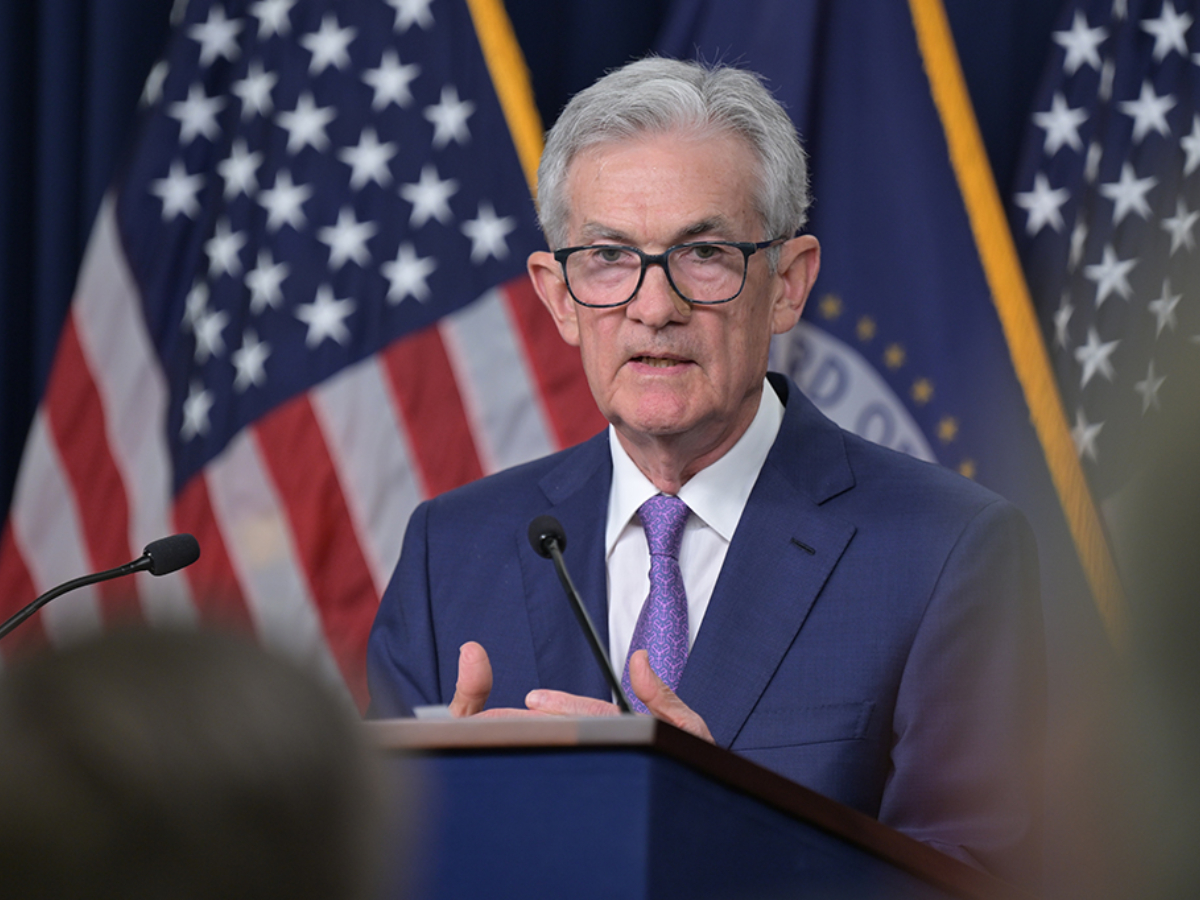
The US Federal Reserve reduced its benchmark interest rate by a quarter of a percentage point on Wednesday, lowering the target range to 4.00 to 4.25%. The move comes after several months of softer economic data showed hiring had slowed, the average workweek had shortened, and unemployment had edged higher. The decision was approved by an eleven-to-one vote, with newly appointed Governor Stephen Miran dissenting in favour of a larger half-point reduction.
In its policy statement, the Fed acknowledged that job gains had slowed and the unemployment rate had risen modestly, though it remains low by historical standards. Chair Jerome Powell, speaking after the meeting, described the cut as an exercise in risk management. He said the Committee remained focused on inflation, which is still above the Fed’s 2% target, but added that the downside risks to employment had increased and required a policy response. Powell stressed that there was no broad support for a larger cut, and said the Committee would make decisions “meeting by meeting” as data evolved.
The projections released alongside the decision showed inflation expectations unchanged from June, with policymakers still forecasting 3% by the end of the year. Unemployment was projected at 4.5%, while growth was nudged slightly higher to 1.6% for 2025. Miran’s dissent was notable not only for the size of the cut he preferred but also because analysts attributed an unusually low interest rate forecast in the so-called “dot plot” to him, suggesting support for more aggressive easing.
Political pressure
The decision comes against a backdrop of political pressure. President Donald Trump has repeatedly urged the Fed to cut more sharply and attempted to remove Governor Lisa Cook from the Board of Governors, a move blocked in court. Cook attended the meeting and voted with the majority. Despite the tension, Powell maintained that the Fed’s independence was intact, saying that incoming data rather than political considerations guided decisions.
Market reaction was muted. US stocks rose briefly before closing mixed, Treasury yields shifted only slightly, and the dollar gained modestly against a basket of major currencies. Futures markets quickly priced in a strong likelihood of another quarter-point cut at the Fed’s late October meeting, with traders also expecting further easing in December if labour market weakness persists.
UAE cuts interest rates
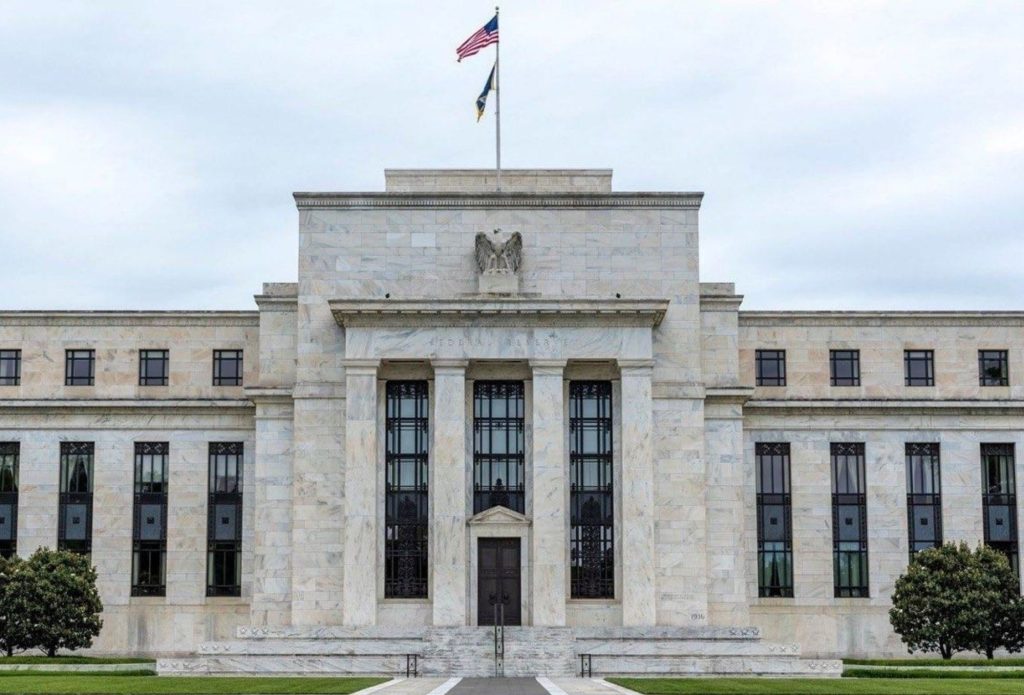
In the Gulf, the Central Bank of the UAE responded by cutting its Base Rate on the Overnight Deposit Facility by 25 basis points to 4.15%, effective from September 18. The CBUAE said it would maintain the rate for short-term liquidity borrowing through standing credit facilities at 50 basis points above the Base Rate. The Bank noted that the Base Rate is anchored to the Fed’s Interest Rate on Reserve Balances and serves as the effective floor for overnight money market rates in the UAE. Other GCC central banks are expected to follow suit, in line with regional currency pegs to the US dollar.
For the UAE, the cut marginally reduces borrowing costs across the financial system but keeps rates elevated compared with the low-rate environment of the early 2020s. Economists noted that the non-oil economy, forecast by the IMF to grow at around 4% this year, could benefit from easier funding conditions if the Fed continues to reduce rates into 2026. At the same time, inflationary pressures in the region remain contained, giving the CBUAE scope to align policy closely with Washington.