
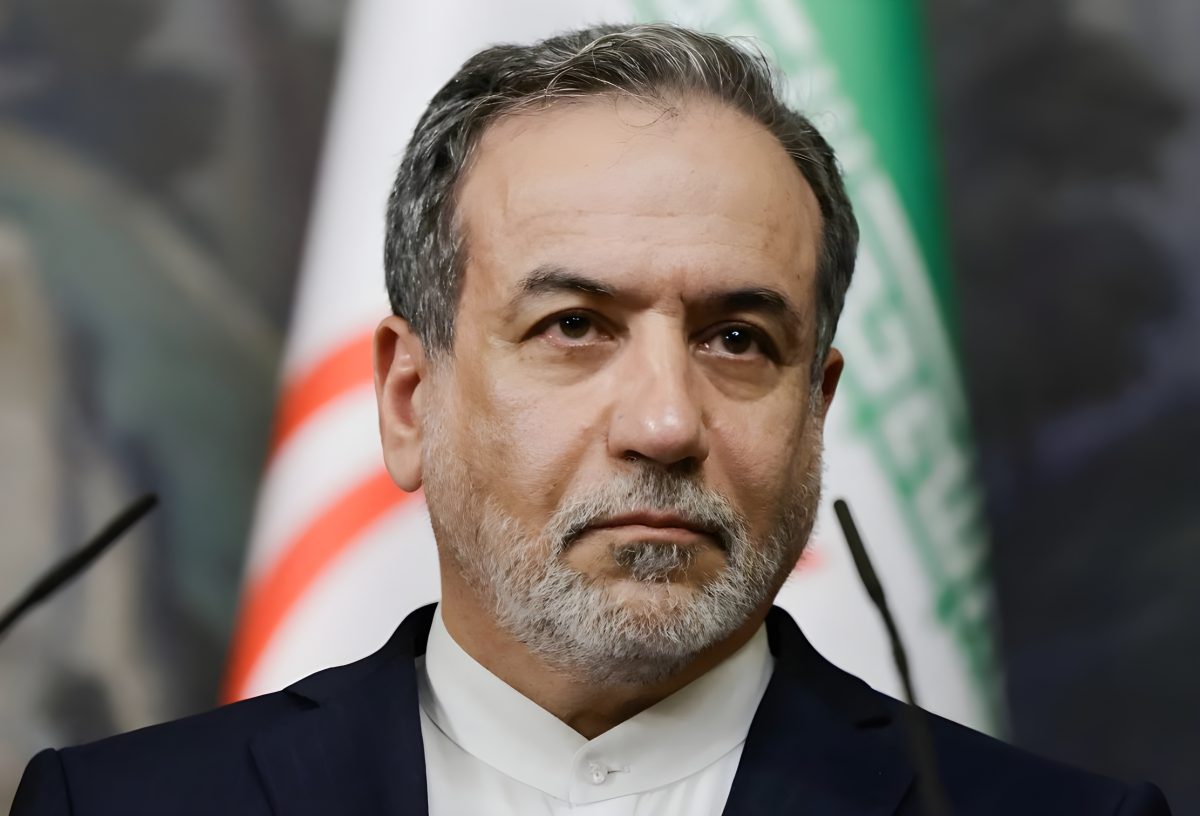

The United States issued new guidance on commercial U.S.-flagged vessels transiting the Strait of Hormuz yesterday, as elevated U.S.–Iran tensions over a potential unilateral strike continue to hover over oil markets, commodities, and GCC state budgets.
The U.S. Department of Transportation’s Maritime Administration advised U.S.-flagged commercial vessels to avoid Iran’s territorial waters and to decline any attempts by Iranian authorities to place personnel onboard.
Oil Markets
Oil prices edged lower on Tuesday as traders assessed the potential risk of shipping disruptions following the updated U.S. guidance on transit through the Strait of Hormuz.
Downward pressure on prices was supported by reports of constructive U.S.–Iran talks held in Muscat over the weekend, which helped offset near-term geopolitical risk.
Brent crude fell 16 cents, or 0.23%, to $68.88 per barrel at 08:00 GMT today.
Up to 20% of global oil consumption transits the Strait of Hormuz between Oman and Iran, with the majority of flows destined for Asian markets.
Commodities
Gold and silver prices moved higher, supported by a softer U.S. dollar amid renewed concerns over U.S. Federal Reserve independence and continued selling of U.S. Treasuries.
Investors are also awaiting a key U.S. labour market report, which could shape expectations for the Federal Reserve’s policy path over the coming year. Analysts suggest the Fed may deliver multiple rate cuts in 2026 if labour market data continues to weaken.
Spot platinum and palladium prices also advanced on Monday.
KSA State Budget
GCC governments continue to publicly advise against U.S. military intervention in Iran, with particularly strong caution expressed by Saudi Arabia, reflecting concerns over regional stability and energy market disruptions.
Oil revenue dynamics continue to weigh on GCC fiscal positions, particularly in Saudi Arabia, as the Kingdom reallocates capital away from large-scale mega-projects toward private sector-led investment.
Riyadh’s approved 2026 state budget projects a deficit of SAR 165B ($44B), reflecting a narrower shortfall but continued fiscal pressure relative to revenues. The budget assumes a 5.1% increase on revenues and a 1.7% decline in spending compared with 2025.
Goldman Sachs, in their December 2025 report, estimates a budget deficit of 6% of GDP versus the government’s projection of 3.3%. Oil revenues and geopolitical factors, from Venezuela, Iran, and Ukraine-Russia, will shape the price of oil in the market.
Diversification efforts have increased the contribution of non-oil income in the Kingdom yet the fiscal outlook remains highly sensitive to global oil market conditions in the year ahead.
Stay Up to Date with the Latest Updates at Finance ME!
KKR & Co to Acquire Arctos in $1.4B Deal