

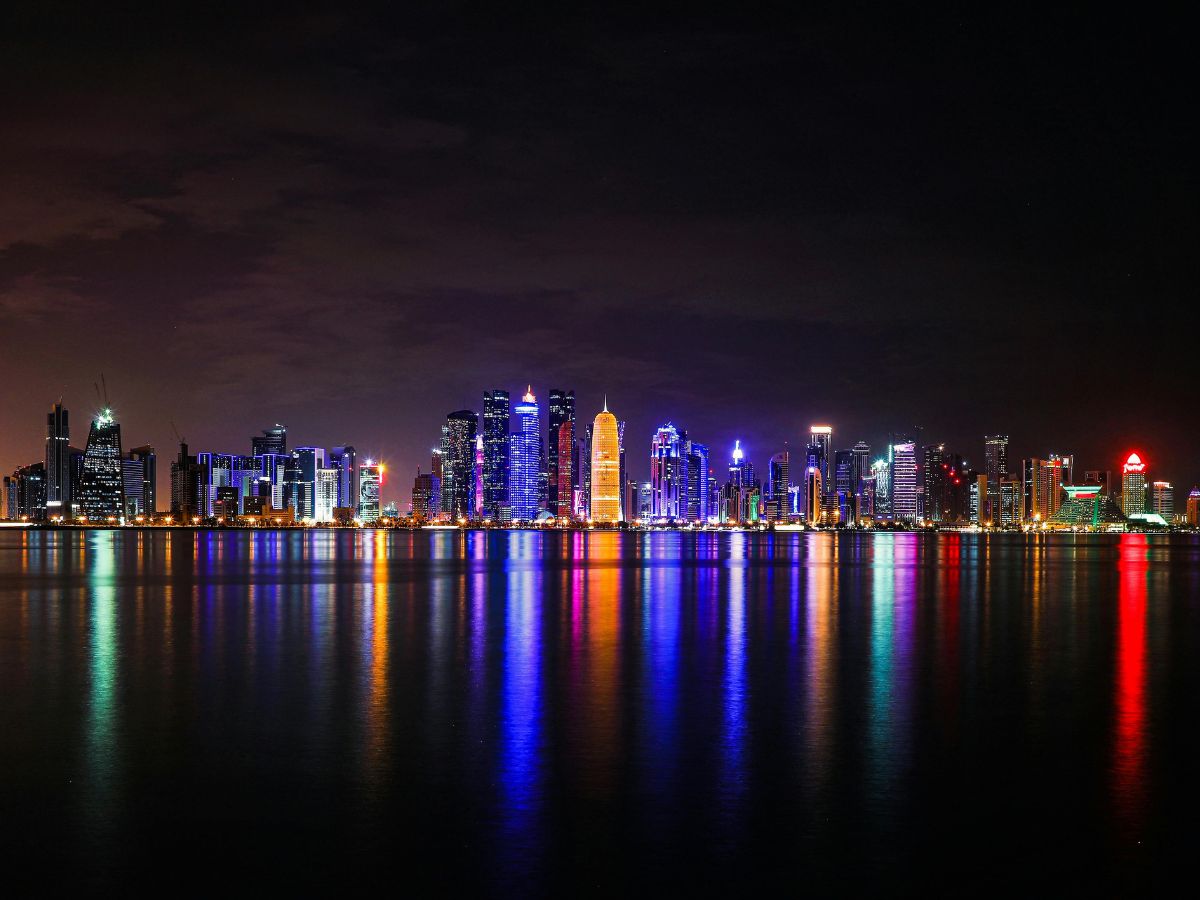
Qatar’s economy experienced a contraction in the first quarter of this year, citing the Iran war that adversely impacted hydrocarbon production and exports.
According to the National Planning Council, GDP fell to QAR171 billion (approximately $47 billion) for the period ending 31 March, totalling a 7% YoY contraction.
Mining and Quarrying Fall
The mining and quarrying sector, encompassing a substantial portion of energy production and representing 29% of GDP, saw a 26% contraction totalling QAR49 billion.
Yet non-mining and quarrying activities grew by 3.5%, reaching QAR122 billion. The construction sector was a notable contributor to this growth (6%) followed by financial and insurance activities at 5% and real estate activities at 0.7%.
Upcoming H1 Figures
Officials from the National Planning Council indicated that while the conflict has placed considerable strain on the economy, the resilience of Qatar’s institutions, fiscal management, and strategic investments remains intact.
The council intends to release preliminary estimates for second-quarter GDP by 30 September, which will reflect the ongoing effects of the conflict.
Qatar holds the world’s third-largest proven gas reserves, yet its liquefied natural gas (LNG) exports have faced disruptions due to near-blockades of the Strait of Hormuz and Iranian missile and drone strikes targeting its energy infrastructure. Estimated annual revenue losses from these disruptions could reach $20 billion, with repairs potentially taking up to five years.
Ras Laffan, Qatar’s primary LNG export facility, is the largest of its kind globally, supplying approximately 20% of the world’s LNG.
Stay Up to Date with the Latest Updates at Finance ME
EDGE’s Rodrigo Torres on Risk, Sovereignty and Defence Finance in a Multipolar World
ADNOC Distribution’s Ali Siddiqi: “Growth, Growth and Growth”