
Saudi Arabia is entering a new phase of digital financial transformation, creating a significant opportunity for Khazna as it prepares to launch in the Kingdom.
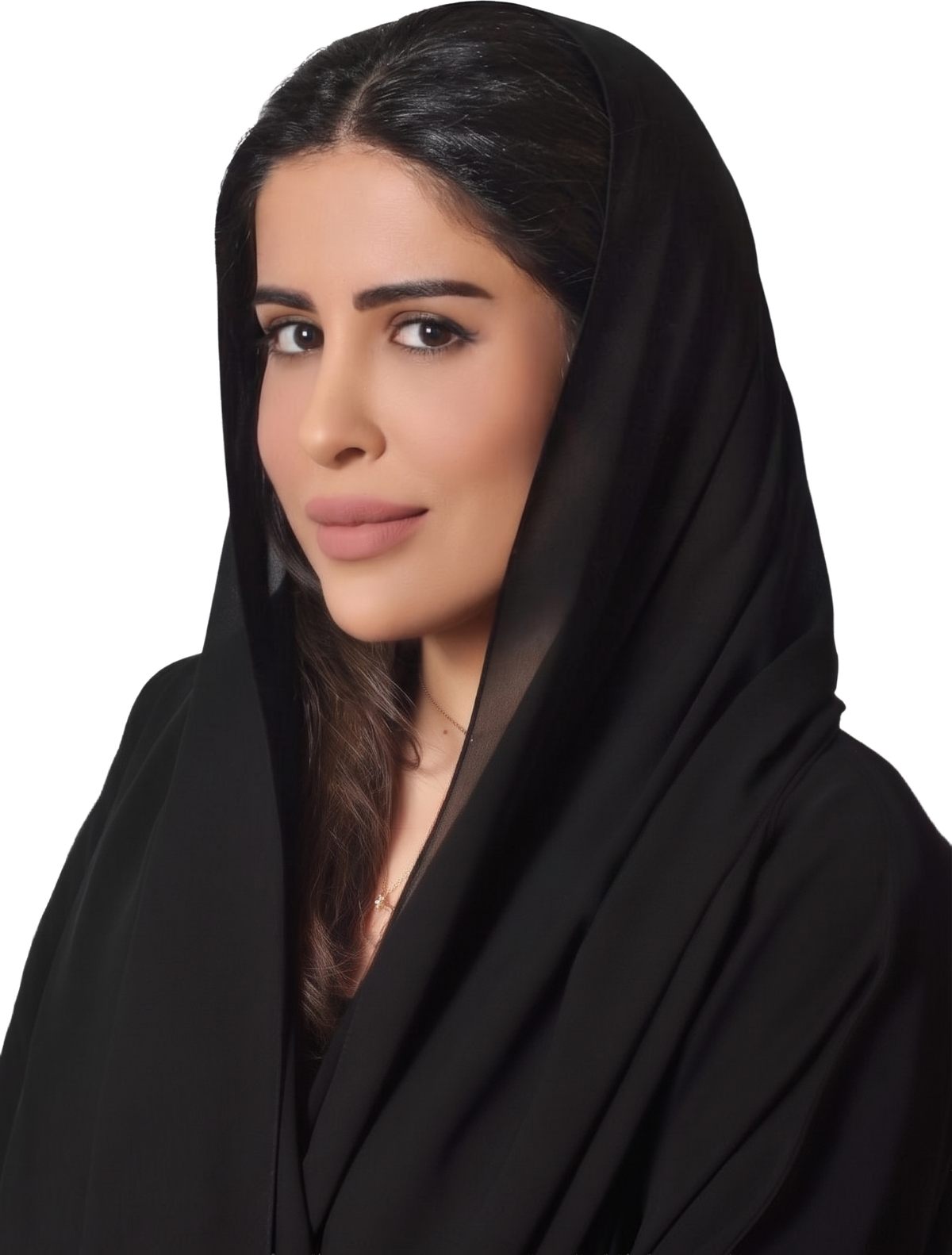
For incoming Saudi CEO Haifa AlMuhanna, the opportunity lies in reaching underserved consumers with simpler, more accessible and personalised financial solutions while building a locally relevant and commercially sustainable business.
With Khazna currently in its pilot phase, AlMuhanna discusses the company’s Saudi ambitions, the importance of localisation, and how it plans to turn financial inclusion into meaningful participation.
You are taking over as CEO at a particularly interesting point in Khazna’s Saudi expansion. What is the biggest opportunity you see in the KSA market that Khazna has yet to fully capture? What do you hope to demonstrate at Money20/20 this year?
Saudi Arabia presents a unique opportunity because financial inclusion is no longer simply about providing access to financial services. It’s about creating meaningful financial participation through digital-first solutions that are embedded in people’s everyday lives.
The biggest opportunity for Khazna lies in serving customers who remain underserved by traditional financial products despite the Kingdom’s significant progress in digital transformation. Millions of consumers, including salaried employees, gig workers, and individuals with limited access to traditional credit products, are looking for simpler, more accessible, and more personalised financial solutions.
We’re currently in the pilot phase and preparing to launch our operations in Saudi Arabia following the completion of the licensing process. This gives us the opportunity to build a business that is designed specifically for the Saudi market from day one.
At Money20/20, I hope we’ll demonstrate that financial inclusion and commercial success are not mutually exclusive. I also want to showcase how Khazna combines technology, partnerships, and deep customer understanding to create solutions that genuinely improve people’s financial well-being.
Financial inclusion is central to Khazna’s proposition, but inclusion and profitability do not always move together. How do you build a commercially sustainable model around underserved customers?
I believe the traditional assumption that underserved customers are inherently unprofitable is outdated. The key is to shift from a single-product mindset to a relationship-based model. When you truly understand customer needs, you can build an ecosystem of relevant financial services rather than offering one isolated product.
Technology also plays a critical role. Digital platforms significantly reduce customer acquisition and servicing costs, making it possible to serve large customer segments efficiently and at scale.
Our focus is on creating long-term customer relationships built on trust, accessibility, and responsible financial solutions. Sustainable growth comes from delivering products that customers use regularly because they add genuine value to their lives.
At what point does scale become the key driver of profitability for a business like Khazna?
Scale becomes the key driver of profitability when a fintech company successfully transforms from a product provider into a financial ecosystem. In digital financial services, many of the underlying technology and infrastructure investments are made upfront.
As customer adoption increases, the cost of serving each additional customer decreases, while opportunities to expand products and services increase.
However, I don’t believe scale should be measured purely by the number of users. The quality of engagement matters just as much. Are customers actively using the platform? Are they returning? Are they adopting multiple services? Profitable growth comes from combining scale with strong customer engagement and sustainable unit economics.
Haifa, you spent years working with large corporations and multinational businesses at J.P. Morgan. What have you learned from traditional banking that gives you an advantage as a fintech CEO?
Traditional banking taught me the importance of discipline, risk management, governance, and building long-term customer trust. Large financial institutions have decades of experience in managing risk, regulatory compliance, and operational excellence. Those lessons remain incredibly valuable in a fintech environment.
At the same time, fintech brings a completely different mindset. It allows us to move faster, innovate more quickly, and design products around customer needs rather than legacy systems. I believe my experience allows me to bridge both worlds.
We can apply the rigour and discipline of traditional banking while maintaining the agility and customer-centric approach that defines successful fintech companies.
What does Saudi localisation mean in practice for Khazna? Is it primarily about products, partnerships, talent, technology, or all four?
It’s absolutely all four. Localisation goes far beyond translating an app into Arabic or simply entering a new market. It means understanding how people live, work, spend, save, and interact with financial services within a specific environment.
That requires products designed around local customer needs, strategic partnerships that strengthen our ecosystem, Saudi talent that understands the market from the inside, and technology that can adapt quickly to local requirements.
Saudi Arabia has its own regulatory environment, consumer behaviours, and digital ecosystem. Success requires a genuine commitment to becoming part of that ecosystem rather than simply replicating a model that worked elsewhere.
What is the biggest opportunity and the biggest risk to Khazna’s Saudi growth that you think the market is currently underestimating?
The biggest opportunity is the speed at which Saudi Arabia is transforming.
The Kingdom’s Vision 2030 agenda has created an environment that encourages innovation, digital adoption, and financial inclusion at an unprecedented pace. That creates enormous opportunities for companies that can respond quickly and build solutions that address real customer needs.
The biggest risk is assuming that success in one market automatically translates into success in another.
Saudi Arabia is an extremely dynamic and competitive market. Companies that underestimate the importance of localisation, regulatory alignment, and customer behavior may struggle to gain traction. For Khazna, our approach is to remain focused, build strong local partnerships, listen carefully to customers, and grow responsibly.
We are entering the market at an exciting moment and we remain optimistic about the opportunities ahead.
Stay Up to Date with the Latest Updates at Finance ME
EDGE’s Rodrigo Torres on Risk, Sovereignty and Defence Finance in a Multipolar World
ADNOC Distribution’s Ali Siddiqi: “Growth, Growth and Growth”