

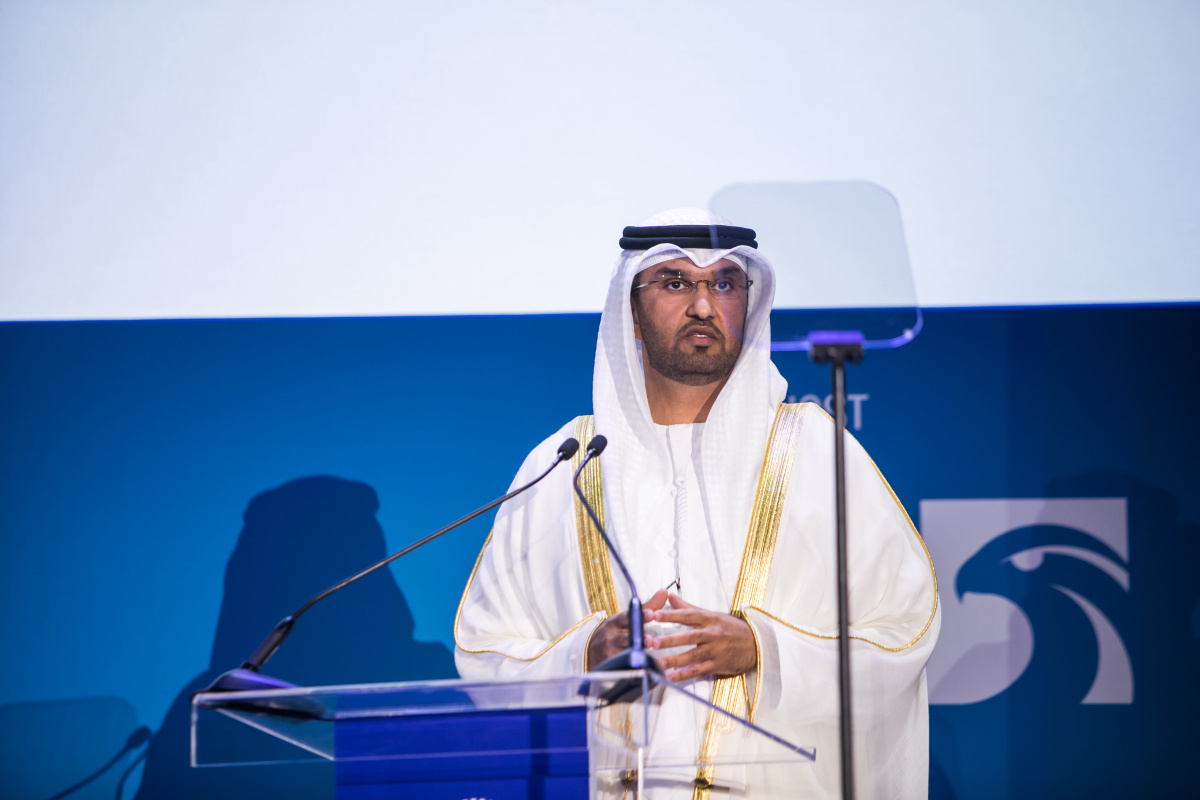
The global energy market needs larger strategic oil reserves and more flexible refining capacity to withstand future supply shocks said Abu Dhabi National Oil Company (ADNOC) CEO Sultan Al Jaber on Monday.
Speaking at the opening of the Abu Dhabi International Petroleum Exhibition and Conference (Adipec), Al Jaber said nearly 1B barrels had been drained from global inventories since disruption to the Strait of Hormuz following the outbreak of the US-Iran war.
The depletion has exposed vulnerabilities in global energy security, with diesel inventories reaching their lowest seasonal levels in 35 years in some markets. Other markets are facing a liquefied natural gas (LNG) supply gap of 600B cubic feet, the CEO said.
“Simply put, the world has eroded its supply buffers,” Al Jaber said. “We need expanded strategic storage, larger stockpiles of products and flexible refining capacity closer to consumer markets.”
Before the conflict, global observed oil inventories stood at 8.2B barrels, according to the International Energy Agency (IEA). The figure includes government emergency reserves, commercial stockpiles and oil held aboard tankers.
Post conflict measures
In March, IEA member countries agreed to a record release of 400M barrels from emergency reserves in response to the supply disruption. Approximately 330M barrels had been released by mid-October.
The conflict began on February 28, when the US and Israel launched strikes against Iran, prompting retaliatory attacks across the Gulf.
Restrictions on shipping through the Strait of Hormuz have since disrupted energy exports. The waterway previously carried approximately one-fifth of global oil supply, forcing producers to seek alternative routes to international markets.
Logistics ramifications
Al Jaber also highlighted the rising cost of transporting energy, saying shipping and logistics expenses had increased from less than 5%to more than 30% of the cost of a barrel of oil.
The ADNOC chief reiterated the UAE’s preference for diplomacy to resolve the conflict as regional tensions continue to threaten energy security and trade flows.
His comments followed remarks on Sunday by presidential adviser Anwar Gargash, who called for a political solution during the IISS Manama Dialogue in Bahrain.
Gargash said the UAE was “braced for the worst” amid speculation that the conflict could reignite following the US midterm elections on 3 November.
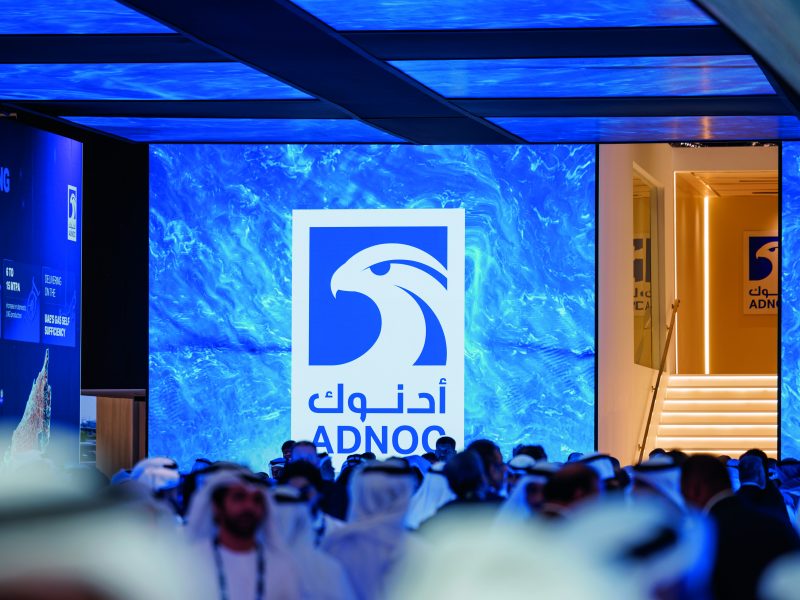
ADIPEC runs from 2 to 5 November in Abu Dhabi, bringing together energy industry executives, policymakers and investors as the sector assesses the implications of ongoing geopolitical disruption.
Stay Up to Date with the Latest Updates at Finance ME
Dubai Real Estate Reports 20% YoY Gain in 2025 Transactions
Defence Stocks Rally in EMEA and APAC with 50% U.S. Spending Boost
2PointZero Posts AED 9.5B Profit as Energy Investments Expand Across U.S. and Africa