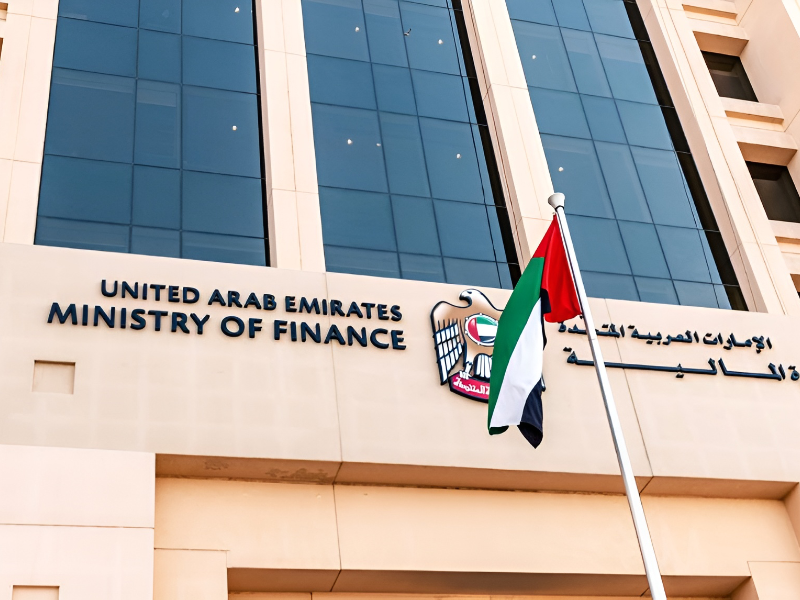

For foreign companies seeking to expand their operations into the UAE, understanding the concept of Permanent Establishment (PE) is paramount. Apart from specific additional criteria under the UAE’s Corporate Tax Law, the UAE’s PE concept is closely aligned with the Organisation for Economic Co-operation and Development’s (OECD) model of Permanent Establishment.
In essence, a Permanent Establishment signifies a fixed or permanent place of business through which the company carries out its activities, either wholly or partially. This establishment could manifest in various forms, including an office, branch, factory, workshop, or construction site. A fixed or permanent place in the UAE notably includes a place of management where management and commercial decisions that are necessary for business conduct are, in substance, made. When determining whether a foreign company’s branch establishes a PE within its borders, the UAE regime additionally considers where a person has and habitually exercises the authority to conduct a business or business activity in the UAE on behalf of the foreign company, therefore creating circumstances where an employee of a foreign company could potentially make a PE in the UAE. The crucial point to note is that once a foreign entity establishes a PE in the UAE, it is treated as a resident for tax purposes, thereby required to comply with the provisions of the UAE Corporate Tax Law.
Understanding the tax treatment of a PE in the UAE is essential for foreign companies eyeing expansion into the region or who currently maintain a presence in the UAE. Upon establishing a PE, the foreign company becomes liable to pay taxes on the income generated within the UAE, including profits attributable to the PE. This tax obligation mirrors the tax liabilities of domestic companies, ensuring a level playing field in the local market.

Moreover, the duration of the presence and the nature of activities conducted play crucial roles in determining the existence of a PE. While the specifics may vary based on the circumstances of each case, the overarching principle remains. If a foreign company’s operations within the UAE exhibit characteristics of a PE as per the UAE Corporate Tax Law, it will be subject to corporate tax accordingly.
However, not every business presence in the UAE automatically translates into a PE. Certain conditions must be met to trigger the establishment of a PE. These conditions typically include a physical presence within the UAE, such as a fixed place of business, and business activities through that establishment. It is worth noting that there are certain exceptions where a fixed or permanent place in the UAE would not constitute a permanent establishment, such as where activities conducted are of a preparatory or auxiliary nature for the foreign company.
Given the complexity surrounding the determination of a PE and its associated tax implications, foreign companies with an existing presence or seeking to venture into the UAE should exercise due diligence. Businesses must assess the nature and extent of their operations within the country to ascertain the risk of establishing a PE. Foreign companies with a presence in the UAE must also assess whether their activities could fall within the exemptions mentioned above and consider whether any risk mitigation measures could be adopted.
While expanding operations into the UAE holds immense potential for foreign companies, the concept of Permanent Establishment warrants careful consideration. By understanding the tax treatment of a PE in the UAE and the conditions under which it is established, businesses can navigate the newly established corporate tax landscape more effectively. Proactively assessing and seeking expert guidance is key to mitigating risks and ensuring compliance with the UAE Corporate Tax Law.