Sovereign credit ratings tend to receive the most attention when they change. Downgrades make headlines, upgrades generate optimism, and affirmations often pass without much comment.
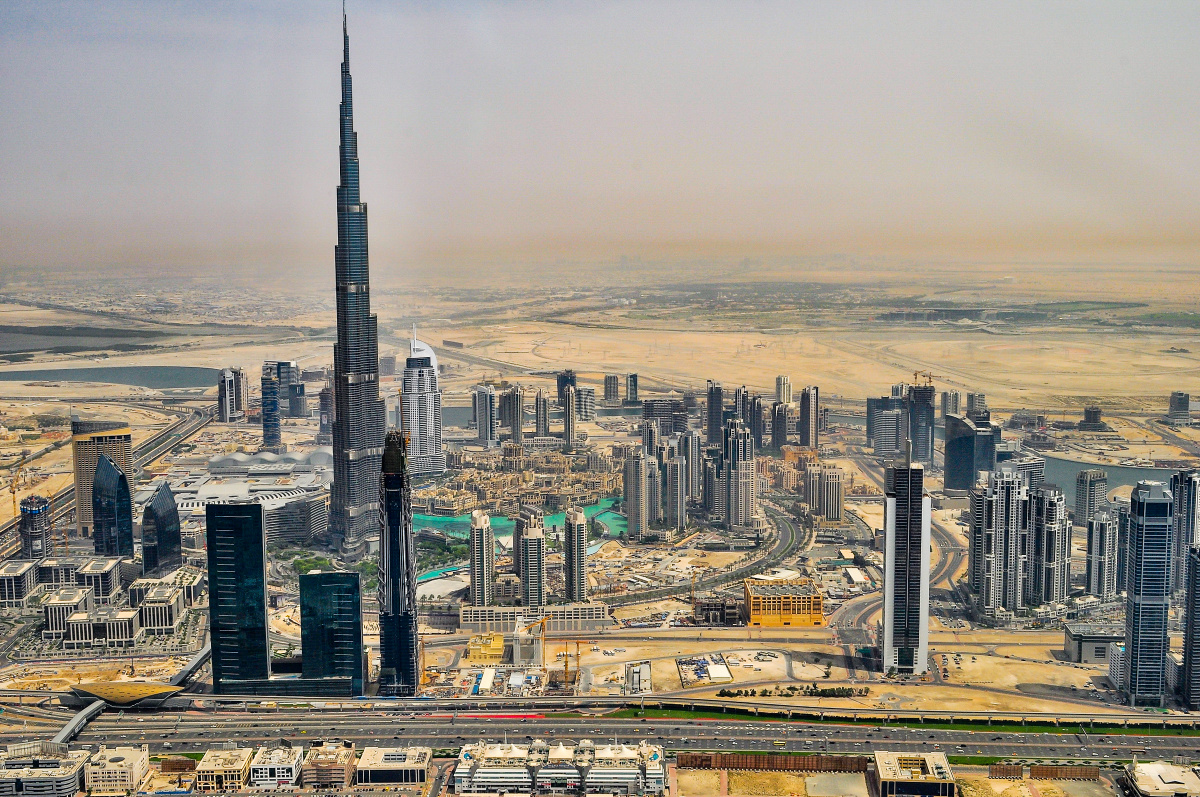
The timing of S&P Global’s 9 March affirmation of the UAE’s AA/A-1+ ratings with a stable outlook is one such moment.
S&P later affirmed Saudi Arabia as ‘A+/A-1’ earlier this month.
S&P Positive Outlook
The assessment was issued during a period of elevated regional tension, reflecting a considered, evidence-based view of the UAE’s fiscal and economic position that investors evaluating the region would do well to examine closely.
S&P estimates the UAE government’s consolidated net asset position at 184% of GDP in 2026, with liquid assets at approximately 210% of GDP.
General government debt remains around 27% of GDP. The consolidated fiscal balance has averaged a surplus of 5.6% over the past five years. Abu Dhabi’s net asset position was separately estimated at 358% of GDP.
These figures place the UAE within a small group of sovereigns worldwide with the balance sheet depth to absorb significant external pressures without material deterioration in creditworthiness.
Fitch’s Assessment
Fitch’s assessment, published on 2 March, reinforced this picture.
The agency noted that the UAE stands out as comparatively well positioned, pointing to strong fiscal buffers, diversified revenue streams, and robust sovereign wealth assets.
What gives these affirmations particular analytical value is the context in which they were issued. Both agencies had full visibility into the regional situation and the associated market dynamics.
S&P went further, noting that ratings could be raised if geopolitical tensions ease and data transparency improves. For investors assessing the region, the relationship between short-term market sentiment and the structural picture that the rating agencies have confirmed is worth considering carefully.
Sovereign ratings are built on fiscal fundamentals, policy flexibility, and long-term economic positioning. When they hold steady through a period of elevated uncertainty, they provide a meaningful reference point for allocation decisions.
Macroeconomic Fundamentals are Strong
The broader economic picture supports this reading.
According to data from 2025, the UAE’s non-oil economy now accounts for approximately 75% of GDP, a level of diversification that has been well documented in policy terms and is now being tested under real conditions.
The banking system remains well capitalised, with the UAE Central Bank governor confirming last week that the country’s financial infrastructure continues to operate with full efficiency and stability.
Having lived in the UAE since 2017 and observed the region across several periods’ growth, my consistent observation is that the depth of the country’s fiscal reserves and the breadth of its economic base have provided a foundation that has held up well when tested.
GDP Slowdown Inevitable
S&P does project that GDP growth may moderate to 2.2% in 2026, compared with 5% in 2025, reflecting potential headwinds from expatriate flows, tourism, and real estate demand.
Those are reasonable near-term considerations and should be factored into any investment analysis.
For investors who take a structural approach to regional allocation, the information contained in these affirmations deserves careful consideration at a time where headlines appear more alluring to the everyday eye than the fundamentals.
This analysis was written by John Hensel, Senior Vice President Middle East Markets, Demeter Tactical Investments Corporation.
Stay Up to Date with the Latest Updates at Finance ME!
Venezuela Investment Deals “Long Term” Factor for Energy Markets