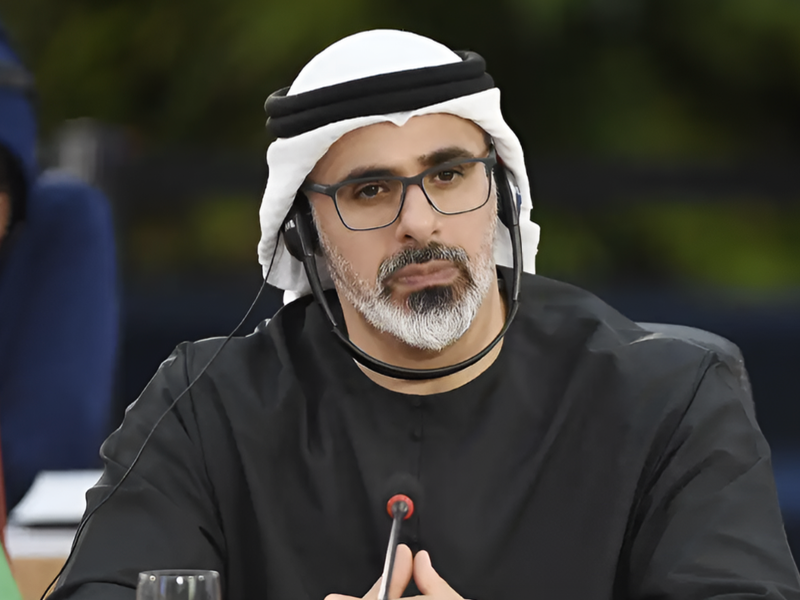
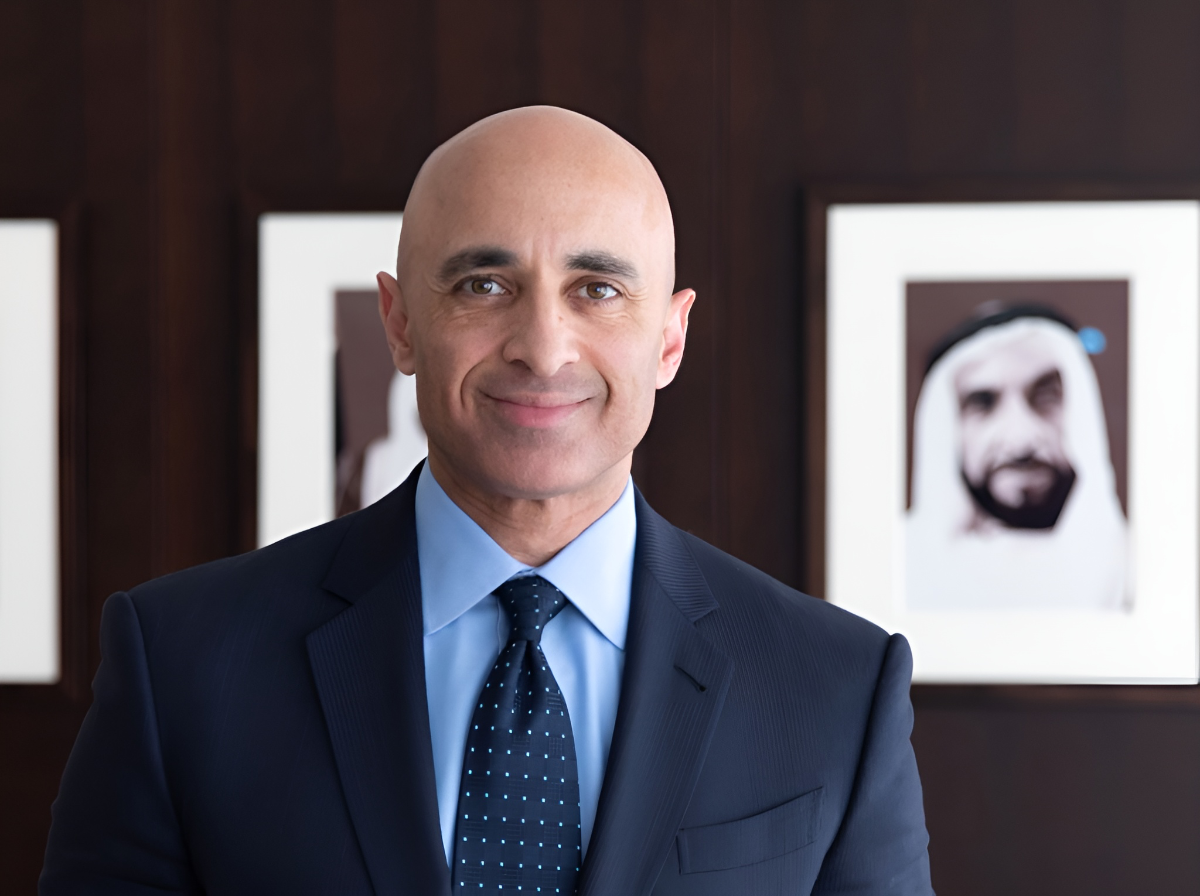

The UAE Ambassador to the USA, H.E. Yousef Al Otaiba, responded to reports of an official request for an official currency swap with the U.S. yesterday.
Early reports of a currency swap surfaced on Monday, following the IMF and WB Spring Meetings held in Washington D.C. last week (WSJ). President Trump, in an interview yesterday, relayed his support for the U.S.-UAE bilateral partnership, pledging support for the GCC if the country requested a currency swap.
“If I could help them, I would,” the president said. “It’s been a good country. It’s been a good ally of ours,” the President told CNBC.
Yousef Al Otaiba, the UAE’s ambassador to the U.S., relayed his appreciation for Trump’s recognition of the country as an important partner but maintained that the UAE’s economy remained resilient.
“Any suggestion that the UAE requires external financial backing misreads the facts,” Al Otaiba said in a statement posted on X by the UAE embassy in the U.S. and UAE MOFA Spokesperson: Afra Al Hameli.
“The UAE and the United States will continue to prosper together for decades to come, not because one depends on the other for support, but because both benefit from one of the world’s most important economic partnerships,” he said.
UAE Bahrain Currency Swap
The reports follow an official currency swap between the UAE and Bahrain last week.
Moody’s downgraded the credit rating of Bahrain to ‘negative’ from ‘stable’: six levels below investment grade. The blockade of the Strait of Hormuz continues to disrupt the export of aluminium and energy from the GCC, with Bahrain and Qatar particularly affected from the blockade.
Analysts highlight that UAE-U.S. discussions, concerning a currency swap, are precautionary than any sign of financial stress from the geopolitical headwinds facing the GCC.
S&P, Moody’s: Fundamentals Strong
S&P and Moody’s ratings for the UAE remain unchanged despite the ongoing war. S&P reaffirmed the UAE’s Aa2 rating at the end of March.
The Central Bank of The UAE reported that its total assets increased 10.1% to Dh 1.063T by the end of Q1 2026, up from Dh 970B in the same period of FY25.
Foreign asset reserves rose to Dh 1T, marking a 20% increase compared to AED 833B a year earlier.
Stay Up to Date with the Latest Updates at Finance ME
MSX: Oman’s Stock Market Rally Signals Structural Shift
Asia Fuel Strategy Shifts from Energy Transition to Cash Flow Control