The state of the merger and acquisition (M&A) market is a dynamic indicator of a region’s economic landscape. Strong M&A activity suggests a robust and growing business environment in which companies are actively scaling their operations and pursuing strategic growth opportunities. An increase in foreign direct investment (FDI) flows often follows. In contrast, a subdued M&A market may reveal economic headwinds, geopolitical uncertainties or structural challenges impacting business decisions.
If the number and size of deals serve as a reflection of the underlying confidence in an economy, what does it say about the GCC?
In 2024, the global value of M&A activity in the first half of 2024 was $1 trillion. This figure is 4% higher than that of H1 2023, but lower than the 10-year average of $1.5 trillion, according to data by BCG. The sector’s slowdown is often attributed to economic and political uncertainties, which have led dealmakers to adopt a cautious approach to mergers and acquisitions.
In this context, the Middle East M&A market—both inbound and outbound—has remained active, driven by government diversification efforts, resilient oil prices and sustained post-pandemic economic recovery strategies. This combination of inward and outward M&A flows highlights the region’s maturation as an active and influential hub in global corporate transactions.
The MENA M&A market
The MENA region witnessed a slight increase in M&A activity in the first half of 2024, with a total of 321 deals amounting to $49.2 billion, according to a recent EY report. Year-on-year, deal volume grew by 1%, while deal value saw a rise of 12%. Within the region, the UAE and Saudi Arabia were the preferred destinations for investors with 152 deals reaching a total disclosed value of $9.8 billion.
Sovereign wealth funds (SWFs) continued to lead the deal activity in the region. According to GlobalSWF, GCC wealth funds reached their highest levels of global dealmaking in 15 years in H1 2024, deploying $38.2 billion across 58 different deals.
“The GCC M&A landscape in 2024 reflects strong growth, diversification and strategic expansion,” said Samuele Bellani, Managing Director and Partner, BCG. “The region has witnessed a blend of outbound acquisitions and domestic-focused deals driven by robust economic fundamentals and governmental support for diversification beyond oil reliance.”

“The GCC M&A landscape in 2024 reflects strong growth, diversification and strategic expansion”
Samuele Bellani
M&A activity in the GCC is, however, divided between outbound investments and deals targeting companies within the region. M&A activity involving Middle Eastern targets “has been subdued in 2024,” Bellani said, pointing towards a continuation of “the sharp decline that began after the pre-pandemic peak in 2019”.
In the first nine months of 2024, the deal value of transactions targeting companies in the region dropped by 45%, while global deal value rose by 10%. However, deal volume increased by 7%, versus a global decline of 13%.
“The GCC’s domestic and inbound M&A transaction volume and value for the full year 2024 are likely to be down versus 2023 albeit the quantum of the decline will almost certainly be less than Europe, the US and other major M&A markets,” added Ali Anwar, Managing Director and Middle East Practice Leader of Global Transaction Advisory Group at Alvarez & Marsal in Dubai.
“GCC governments, particularly Saudi Arabia, have been reassessing their capital allocation priorities and appear to be focusing more on the completion of greenfield projects versus deploying capital in M&A deals which has partially played a role in SWF-led deal activity being relatively subdued this year,” he added.
Nonetheless, over the past year, regional buyers have continued to seek strategic assets internationally, expanding their business reach across Europe and North America. “Middle Eastern buyers continue to acquire companies outside the region, with outbound deal activity remaining at the high levels seen since 2021,” Bellani added. “We anticipate that robust outbound activity will persist.”
“The GCC has shown resilience in its M&A activity. This trend is expected to continue as businesses adapt to changing market conditions and seek growth opportunities.”
Ali Anwar
Anwar agreed, stressing that “the region has shown resilience as continued focus on initiatives such as economic diversification, localisation, green energy and technology advancements have supported overall M&A activity.”
The sectors driving M&A deals
In the GCC, Saudi Arabia and the UAE continue to lead M&A activity due to ambitious national transformation programmes, including Vision 2030 and the UAE Centennial 2071, respectively. The two countries are expected to account for “well over 80% of the GCC M&A transaction value”, Anwar said.
To date in 2024, the UAE has recorded the highest deal value in the region, totalling $1.5 billion, according to BCG data. Kuwait and Saudi Arabia follow with deal values of $1.1 billion and $987 million, respectively. The UAE also led in the number of deals, with a total of 98 transactions, followed by Saudi Arabia with 47 deals and Kuwait with 10 deals.
“The evolving GCC M&A landscape is a testament to the region’s commitment to global economic integration and resilience,” explained Adela Mues, Partner, Global Corporate Group, Reed Smith. “With economic diversification, digital transformation and sustainability initiatives at the forefront, the GCC is creating an ecosystem that appeals to both traditional industries and emerging sectors.
“At the same time, larger GCC-based corporates are looking outward, engaging in cross-border acquisitions in Europe, Africa, Asia and North America to build global presence. This combination of inward and outward M&A flows highlights the region’s maturation as an active and influential hub in global corporate transactions.”

“With economic diversification, digital transformation and sustainability initiatives at the forefront, the GCC is creating an ecosystem that appeals to both traditional industries and emerging sectors.”
Adela Mues
Technology, energy, business services, consumer and retail, financial services, industrials and real estate have been at the forefront of M&A activity in the GCC in 2024, reflecting the region’s strategic alignment with global trends and its ambition to diversify beyond oil. Some standout deals in these sectors include:
- Energy: The energy sector remains one of the key drivers of economic activity in the GCC, with M&A activity demonstrating a focus on renewable resources and traditional hydrocarbon assets. In 2024, Masdar acquired Greece’s Terna Energy for $2.7 billion, while ADNOC acquired chemicals company Covestro for $12.5 billion—the first purchase of a German blue-chip company by a Middle Eastern buyer.
- Industrial: The industrial sector has seen significant transactions in 2024, including ADNOC’s $1 billion acquisition of Navig8. In another high-profile—although unsuccessful—bid, Dar Al-Handasah offered $3.2 billion for John Wood Group.
- Financial services: The largest M&A transaction of GCC businesses in H1 2024 was the joint acquisition of Truist Insurance Holdings by Clayton Dubilier & Rice, Stone Point Capital and Mubadala Investment for $12.4 billion.
- Technology and Telecommunication: Technology and telecommunications assets are becoming increasingly prominent in the region’s M&A landscape. Noteworthy deals include Bayanat AI and Al Yah Satellite Communication’s merger, to create Space42 and UAE-based Rowad’s $250 million acquisition of Uganda Telecommunications. Additionally, Presight AI invested $350 million in AIQ, an energy-focused AI player, highlighting the sector’s growth potential and innovation in digital transformation.
All of these sectors are seeing great amounts of M&A activity. However, different countries have prioritised some over others. “Saudi Arabia is witnessing significant deal flow in infrastructure and public-private partnerships, while the UAE is attracting tech and renewable energy investments,” said Mues. “Qatar is also active, focusing on sports, tourism, and logistics, particularly in the lead-up to global events.”
In the next few years, in addition to increased activity in the aforementioned sectors, as well as traditional industries such as real estate, Mues described the entertainment and media industry emerges as “the new kid to watch, driven by transformative economic policies, evolving consumer preferences, and robust government investment”.
What makes a successful merger?
The rationale behind any merger is to strengthen companies in ways they could not achieve individually. An acquisition is a way for a company to grow its footprint, be it internationally or within a domestic market. In the case of Space42, it was down to vertical integration.
“Synergy alignment is one key element to a successful merger,” said Hasan Al Hosani, CEO, Bayanat Smart Solutions, Space42. “In Space42’s example, Yahsat’s satellite communications capabilities and Bayanat Smart Solutions’ geospatial analytics complement each other, and once combined, we provide customers with unique, comprehensive, data-driven AI insights.”
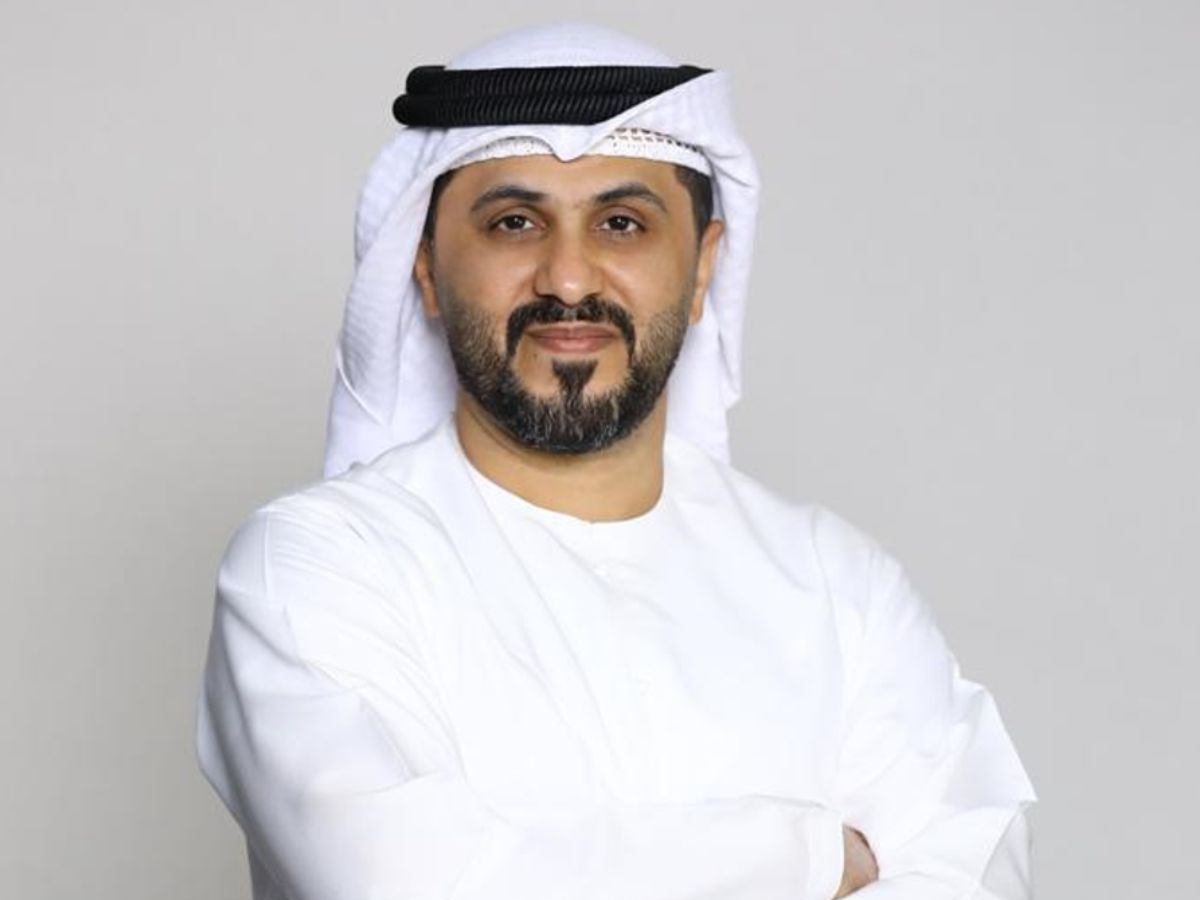
“Synergy alignment is one key element to a successful merger.”
Hasan Al Hosani
The merger, completed in October 2024, created a new UAE space technology player, poised to become one of the largest publicly listed space companies. Upon its debut on the Abu Dhabi Securities Exchange (ADX), Space42 achieved a market capitalisation of AED 11.4 billion ($3.1 billion).
By integrating space and ground systems operations with AI, the company is among the first to offer unique end-to-end solutions in the space tech sector, significantly enhancing efficiency and advance technological offerings. “As one company, we can leverage our comprehensive vertical value chain, meaning our solutions collect data from space to inform decisions on Earth,” Al Hosani said.
This was also the case of Dubizzle Group, which has grown into a large UAE conglomerate thanks, in part, to its M&A strategy. The unicorn company was formed from the merger of the MENA and South Asia operations of Dubai-based Emerging Markets Property Group (EMPG) and OLX Group, owners of Bayut and Dubizzle, respectively, in 2020. The group’s latest acquisition, announced in May 2024, was that of UAE-based car website DriveArabia.
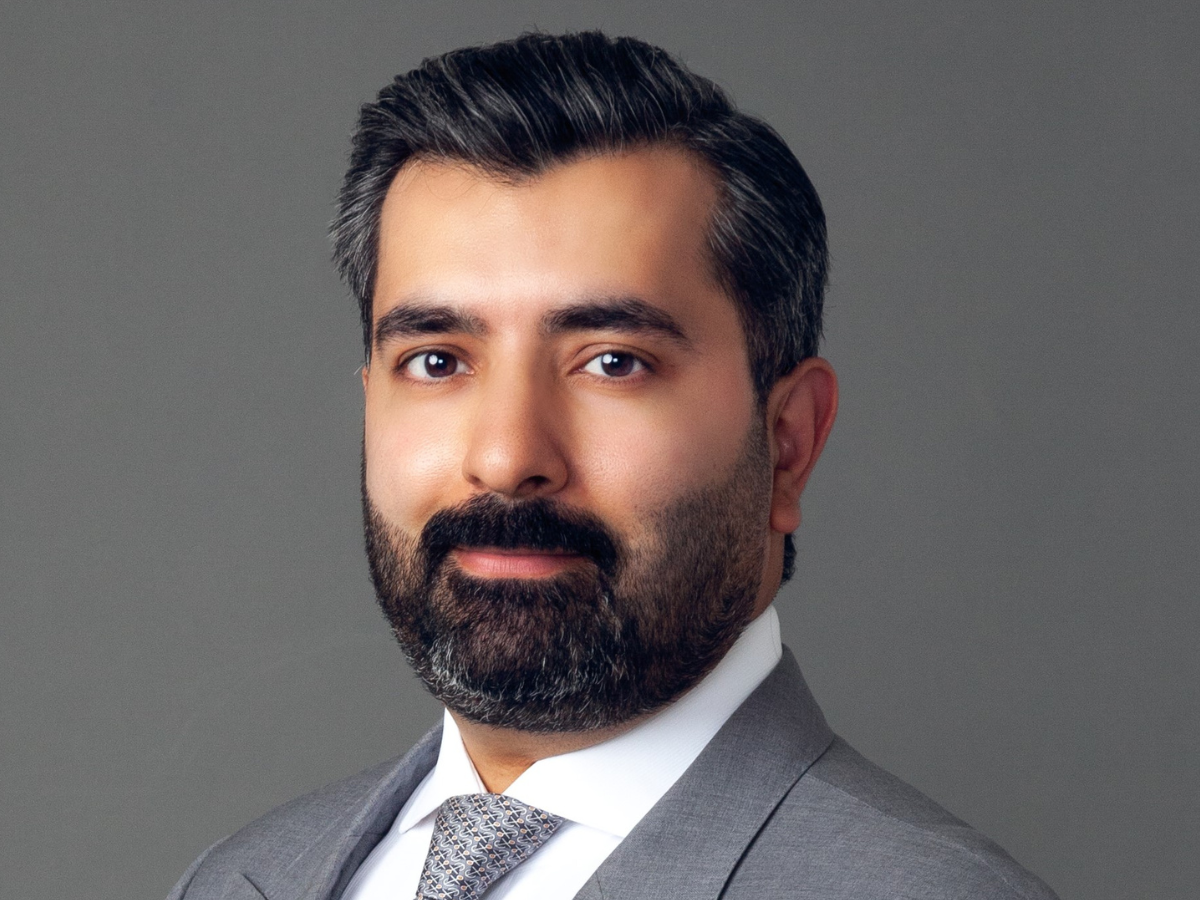
“M&A opportunities are a core component of Dubizzle Group’s growth strategy, allowing us to enhance and diversify our offerings across key verticals,” said Haider Khan, CEO of Dubizzle Group MENA.“Our acquisition of Drive Arabia aligns with our strategic vision to provide our users with comprehensive solutions in the automotive space, complimenting our flagship online marketplace dubizzle Cars and reinforcing our leading position in the automotive sector throughout the MENA region.”
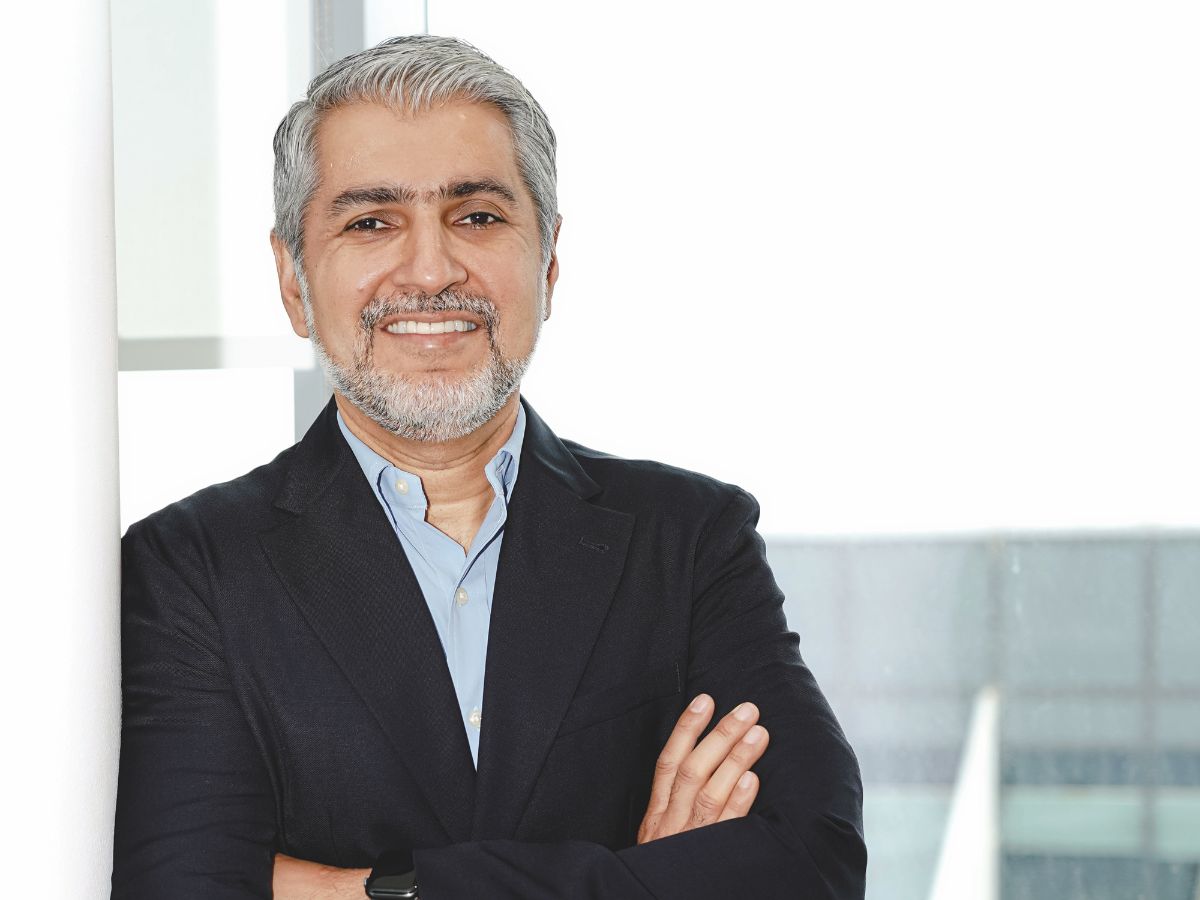
“M&A opportunities are a core component of Dubizzle Group’s growth strategy, allowing us to enhance and diversify our offerings across key verticals.”
Haider Khan
To succeed in merging teams and operations, Al Hosani highlighted the need for companies to “keep people front of mind”, ensuring the employees feel involved and understand the company’s mission and outlook. Additionally, a successful merger must have positive financial implications for its shareholders, prioritising investments in sustained business growth and expansion while ensuring robust profitability and attractive shareholder returns.
“A successful merger is also hugely incumbent on alignment with national priorities, such as innovation and economic diversification, which can strengthen support from local stakeholders,” Al Hosani noted.
The rise of cross-border M&A activity
In the GCC region, the increase in cross-border M&A activity reflects the reality of GCC’s importance in the context of the global economy, expanding regional influence and diversifying revenue streams.
Over the past year, GCC companies and SWFs have been increasing their outbound investments in sectors like technology, real estate, infrastructure and renewable energy, signalling a shift towards future-focused industries. These cross-border deals, especially with the US and Europe, allowed the transfer of advanced technology and industry expertise into the region, raising competitive standards.

“This trend not only strengthens the GCC’s business resilience but also builds broader economic bridges with global markets, facilitating knowledge transfer and technological advancement,” Mues said. “It’s a sign of a more open, interconnected GCC business environment that is increasingly attractive to investors seeking strategic regional entry points.”
At the same time, GCC countries are implementing regulatory reforms to attract and retain foreign direct investments. For instance, the UAE has eliminated the local sponsor requirement, allowing companies to be 100% foreign ownership in various sectors and hosted large-scale events like GITEX and COP28. The UAE has also improved its anti-money laundering and counterterrorism financing standards, leading to its removal from the FATF grey list. Meanwhile, Saudi Arabia has established special economic zones (SEZs) to help international firms enter the market, as part of its strategy to reach $100 billion in FDI by 2030. Bahrain’s Gulf Investment Forum and Kuwait’s foreign investment law reforms have also boosted the region’s appeal to international investors.
“These regulatory improvements create a more stable and attractive environment for global investors, further boosting foreign investment,” Anwar said. “Streamlined processes and incentives for foreign investment are likely to encourage more deal-making.”
The future of GCC M&As
In 2025, the GCC M&A landscape is likely to remain active, with sustained growth in non-oil sectors. The trend of cross-border M&A is anticipated to grow, as GCC countries strengthen their ties with global markets. The region’s strategic location and favourable investment climate will attract international companies looking to expand their operations in the GCC.
With AI disrupting business models and companies trying to grow in limited economies, it is anticipated that 2025 will see even more M&A deals across the board.

“Despite potential geopolitical tensions and economic uncertainties, the GCC has shown resilience in its M&A activity,” said Anwar, adding that “this trend is expected to continue as businesses adapt to changing market conditions and seek growth opportunities,” Mues agreed, stressing that the 2025 outlook for the region “positions the GCC as a formidable player in global M&A for the foreseeable future.”
Key factors will likely shape the Middle East’s M&A landscape in 2025. Outbound activity is expected to remain strong as regional players continue investing internationally. Economic diversification will be a significant driver as companies and governments increasingly shift focus beyond oil and gas, aligning with the region’s transformation agendas. Moreover, regional capital markets will become more sophisticated, with more IPOs and secondary offerings. With governments focusing on regulatory enhancement, the M&A landscape will mature, providing a transparent and investor-friendly environment.
However, the US and regional economic and political landscape will still have an important role to play. “Global uncertainty and geopolitical tensions may impact cross-border deals, with regulatory scrutiny in sectors like technology and finance adding further challenges,” Bellani warned. “Slower-than-expected global economic growth could temper enthusiasm, leading companies to take a more cautious approach and prioritise smaller, strategic acquisitions over larger, high-risk deals.”
The GCC is no stranger to global challenges and has learned to foster growth in spite of these unknowns. The region is on a path towards becoming an economic powerhouse and its SWFs, family offices and corporations are eager to deploy resources and increase their domestic and international footprint. Thus, the M&A momentum has only just begun.