Rising living costs and stagnant salaries are forcing residents in Gulf cities to reassess how they allocate their monthly income. Across Dubai, Riyadh, and Doha, rent remains the largest single expense, followed closely by school fees, transport, and remittances. The result is an increasingly delicate balancing act for middle-income households.
In Dubai, the pressure from housing costs has intensified. Rents have surged by 20 to 25% annually over the past three years, with a 16% surge reported between 2023 and 2024. Lower-income households earning between Dh8,000 and Dh15,000 are spending as much as 52% of their income on rent, while even high-income earners allocating Dh50,000 or more per month still devote up to 33% of their income to housing. “From 2023 to 2024 alone, we saw a 16% jump in rents, and it hasn’t slowed down. Most people are now spending 5–10 percentage points more on rent than they did three years ago,” said Faizan Mandavia, Founder and Chief Advisor at FAM Advisory.
Doha presents a similar affordability challenge. Although rent inflation has not spiked at Dubai’s pace, the average rent-to-income ratio remains structurally high, hovering around 40%. “There’s little relief in Doha’s housing market,” said Mandavia. “It remains structurally expensive across most segments.” For some residents, rent can consume over half of their salary, leaving limited room for other essential spending.
Riyadh, by contrast, has offered greater stability in terms of housing costs. A key factor is the widespread provision of housing allowances, ranging from 15 to 25% of basic salary. These allowances, often embedded in employment packages, help keep rent-to-income ratios between 25 and 30%. This relative predictability has made Riyadh a more financially manageable city for both locals and expatriates, particularly in the context of regional volatility.
Middle-income households trim schooling and transport costs
With housing expenses on the rise, middle-income earners are adjusting other parts of their budgets. School fees have become a major pressure point. Families are increasingly switching to more affordable schools, including online education models, and scaling back on extracurricular activities. According to Mandavia, “Families are opting for more affordable schools, online education models, and reducing extracurricular expenses to offset increasing fees.”
Healthcare costs are another area of recalibration. Residents are turning to public clinics and telemedicine services while also leveraging enhanced employer insurance plans to reduce out-of-pocket expenses. Rising fuel prices have also prompted behavioural shifts in how people commute.
Households are adopting cost-saving strategies, such as carpooling, switching to smaller vehicles, and relying more on public transportation systems, including metro systems. Ride-hailing platforms and fuel-saving apps are now widely used as tools to stretch transport budgets further.
Expat spending patterns
Expatriate spending patterns vary significantly depending on the country of origin and professional sector. South Asian workers from India, Pakistan, and Bangladesh typically remit between 20 and 40% of their monthly income. These communities often live in shared housing and opt for budget schooling options to maximise savings. “Remittances are a non-negotiable priority for this group,” Mandavia explained. “They structure their entire budget around it.”
Western expatriates, such as those from the UK or Australia, tend to spend more on private education, health insurance, and leisure activities, often to enhance their long-term quality of life. Arab expatriates, including those from Egypt, Lebanon, and Jordan, tend to balance moderate remittances with local consumption, placing a premium on education and community wellbeing.
The industry also plays a role. Tech professionals working in high-demand sectors, such as fintech and AI, have access to higher compensation packages. They typically prioritise international schooling, premium housing, and discretionary spending. Meanwhile, healthcare workers focus on medical needs and children’s education, and educators with fixed salaries often seek maximum value for every dirham.
Remittance behaviour is evolving across the Gulf. As living costs rise, expatriates are shifting from fixed monthly transfers to milestone-based remittances targeting education, healthcare, or emergencies.
“Remittances are being restructured—not just reduced,” said Mandavia. “Middle-income earners, particularly those from South Asia, are adopting a more targeted approach to remittances, moving away from the traditional practice of sending fixed monthly amounts. Instead, they increasingly prioritise milestone-based transfers.”
Remittances get smarter
This strategy is also facilitated by digital remittance tools that enable smaller and more frequent payments. “The trend isn’t simply that people are sending less; it’s that they’re being more strategic,” he added.
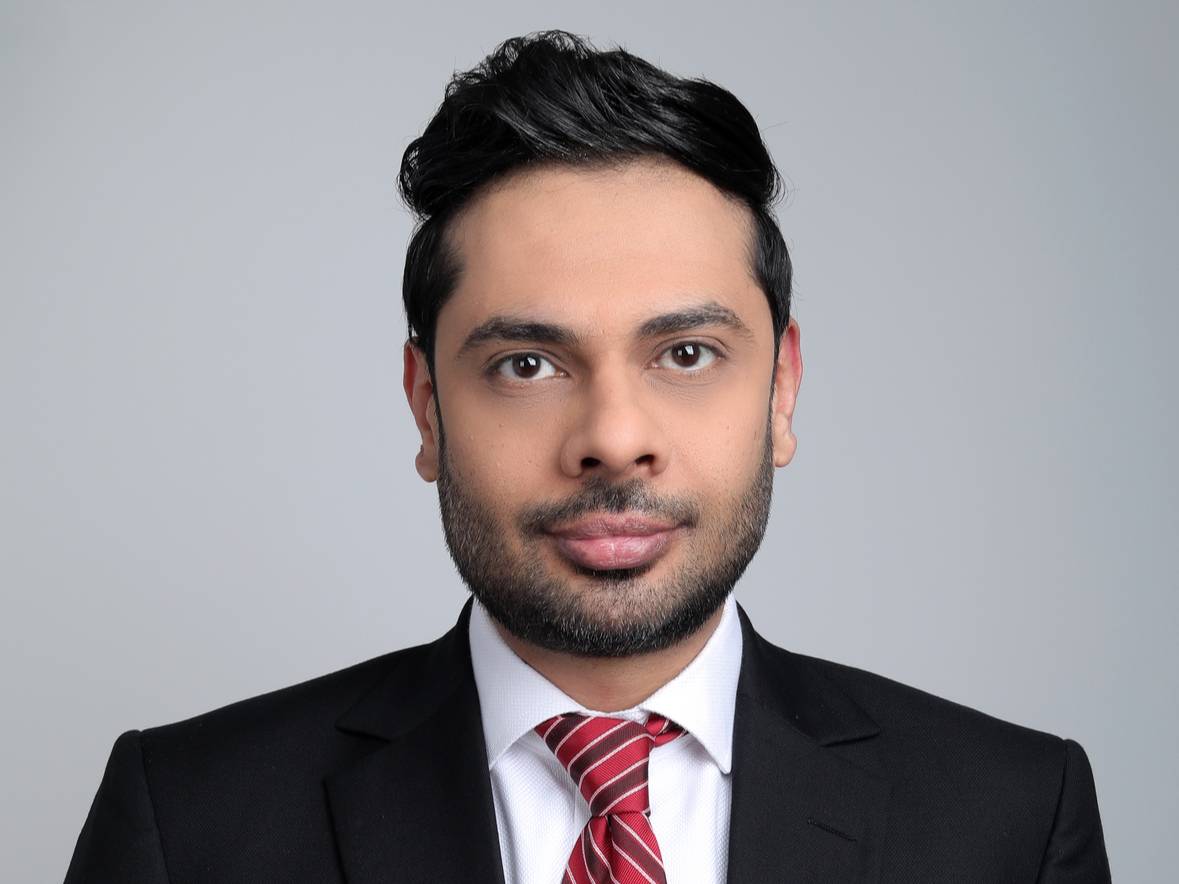
“There’s also a rise in digital remittance tools that allow micro-sending—smaller amounts more frequently—which gives workers better control and flexibility.” At the same time, interest is growing in building local assets, with workers increasingly funnelling money into small businesses or savings linked to residency benefits.
To regain control of their finances, many Gulf residents are turning to budgeting tools and reshaping their financial behaviour. Apps like Spendee, YNAB, and GoodBudget offer real-time tracking across multiple bank accounts. Traditional models, such as the 50-30-20 rule, which divides income into needs, wants, and savings, are making a comeback. Cash-based budgeting is also gaining popularity among younger residents who aim to reduce impulsive spending.
Online community groups on WhatsApp and Telegram have emerged as grassroots platforms for financial education, peer support, and discipline. “The conversation has shifted from surviving the month to planning the year,” Mandavia observed. “People are moving from survival budgeting to intentional spending. And in this region, where cost pressures can be intense, that change in mindset is critical.”
In an environment of rising inflation and slow wage growth, residents across the Gulf are being forced to become more strategic in their financial planning. Whether through remittance restructuring, lifestyle compromises, or tech-enabled budgeting, the new financial playbook reflects not just a reaction to cost pressure but a broader shift in mindset across the region’s working population.