Five years ago, landing an exclusive brand deal or starring in a regional ad campaign was considered the zenith of an influencer’s career in the region. However, today, this industry has changed dramatically. For many creators in the region, traditional brand partnerships are no longer the end goal but merely a gateway toward building long-term entrepreneurial ventures.
This shift isn’t just anecdotal, it’s part of a larger global trend where influence and entrepreneurship are becoming increasingly connected. As social media continues to expand and regional economies diversify, creators aren’t just promoting brands anymore, they’re building them. Many influencers are now stepping into roles as entrepreneurs and investors, using their platforms not just for visibility, but to shape the future of business, tech, and culture in the region.
Influence meets capital
Social media platforms offer creators something traditional investors often lack: direct distribution. With one post, creators can drive product adoption, validate a concept, or generate significant sales. This influence has become a catalyst towards the fundraising ecosystem, where visibility and credibility are often as valuable as capital.
The traditional influencer model, where creators promote products in exchange for a flat fee, is no longer the most lucrative or sustainable model. Instead, a growing number of creators are now looking for equity stakes or long-term roles in the companies they once simply endorsed.
Many of the region’s top creators are now active in the startup economy. Some launch ventures that align with their personal brands, ranging from beauty and wellness to tech and e-commerce, while others invest in emerging startups as angel investors or limited partners in micro-funds. In the UAE, Saudi Arabia, and Egypt, platforms are integrating creators into the venture ecosystem, seeing them as more than promoters but as partners in building digital businesses.
Instead of solely creating branded content, creators are:
- Investing directly in early-stage startups
- Collaborating with venture capital firms as deal scouts or co-investors
- Joining as strategic advisors in exchange for equity
- Launching their own companies or product lines
This shift reflects the growing competition and saturation in the creator space, pushing those with staying power to turn online influence into lasting financial value. Platforms offering fractional investing and revenue-sharing deals – some registered with regional regulators like ADGM and DIFC are enabling this change.
Voices in the region
Elissa Freiha
CEO & Founder of Womena
Elissa Freiha, who began as an angel investor and then transitioned into the influencer space, reflects a broader shift occurring across the Middle East, where women are redefining influence, not just through capital, but also through culture and community.
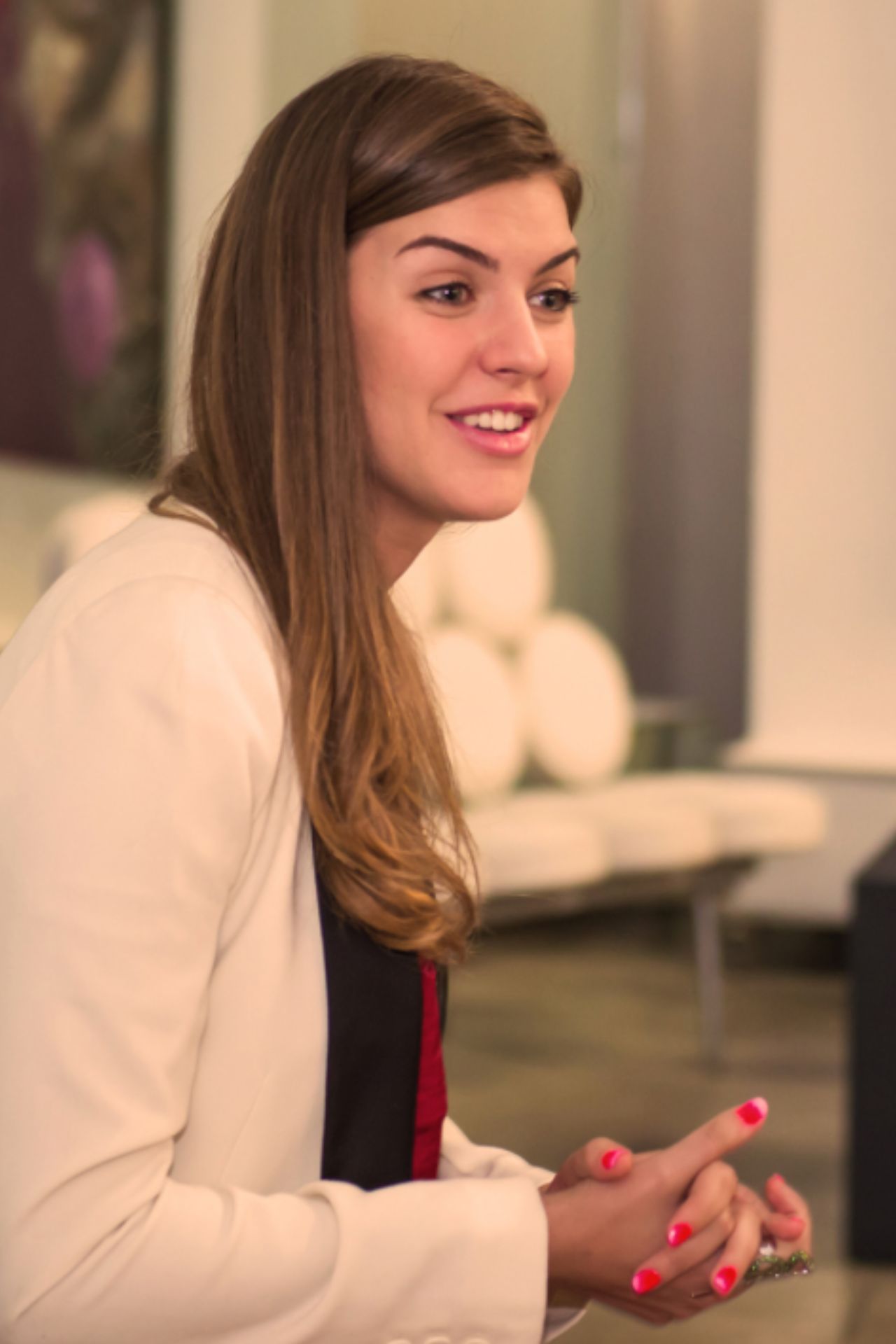
In a conversation with Finance Middle East, Freiha opened up about moving away from traditional startup investing. “I don’t feel the urge to return to startup investing in the traditional sense,” she said. “But the investor mindset never leaves you.” For her, the framework of scalability, value creation, and long-term impact didn’t disappear, it simply evolved. These days, it shows up in how she tells stories, builds audiences, and designs partnerships with intention.
That evolution came with internal tension, too. The incessant shuffling between data and creativity. “I get easily hyped by good ideas and where inspiration wants to take me or the team,” she said. “But when you’re storytelling for a public audience, it’s not just about expression, it’s also about resonance.” She believes in striking a balance between logic and spontaneity, letting data fuel creativity rather than replace it.
Having founded Womena as one of the region’s first angel investment platforms focused on women, Freiha also witnessed first-hand the biases embedded in funding environments. “Women tend to pitch more conservatively, often underestimating their value or impact,” she explained. But the structural barriers go even deeper. From needing male co-founders to appear “credible,” to having to reframe femtech or maternal health startups just to speak the language of male investors. Women, she says, are still forced to bend to an outdated system.
As the creator and entrepreneurial ecosystems begin to merge more visibly in the Middle East, Freiha’s path offers a template for what sustainable influence could look like, one that balances creativity and scale, and storytelling with structural change.
Tala Samman
Content creator
Tala Samman’s path reflects how the creator economy in the Middle East has evolved from content creation to structured business ventures.
In an exclusive interview, Tala reflected on the early days of MyFashDiary, one of the first blogs to emerge from the UAE, which she launched at a time when platforms like Instagram didn’t yet exist. While studying at the London College of Fashion and interning at iconic fashion houses like Tom Ford and Halston, she began sharing her experiences organically on Facebook.
Today, Tala sees the industry as far more saturated and commercially complex. “The industry has become so much more saturated compared to when I first started,” she said. “Social media has pushed everyone to feel like they need to be a content creator. Naturally, this has led to a decline in content quality.” In her view, early creators functioned almost like journalists, building genuine communities and sharing trusted recommendations. But now, with brand deals no longer a guaranteed path to longevity, creators must evolve.
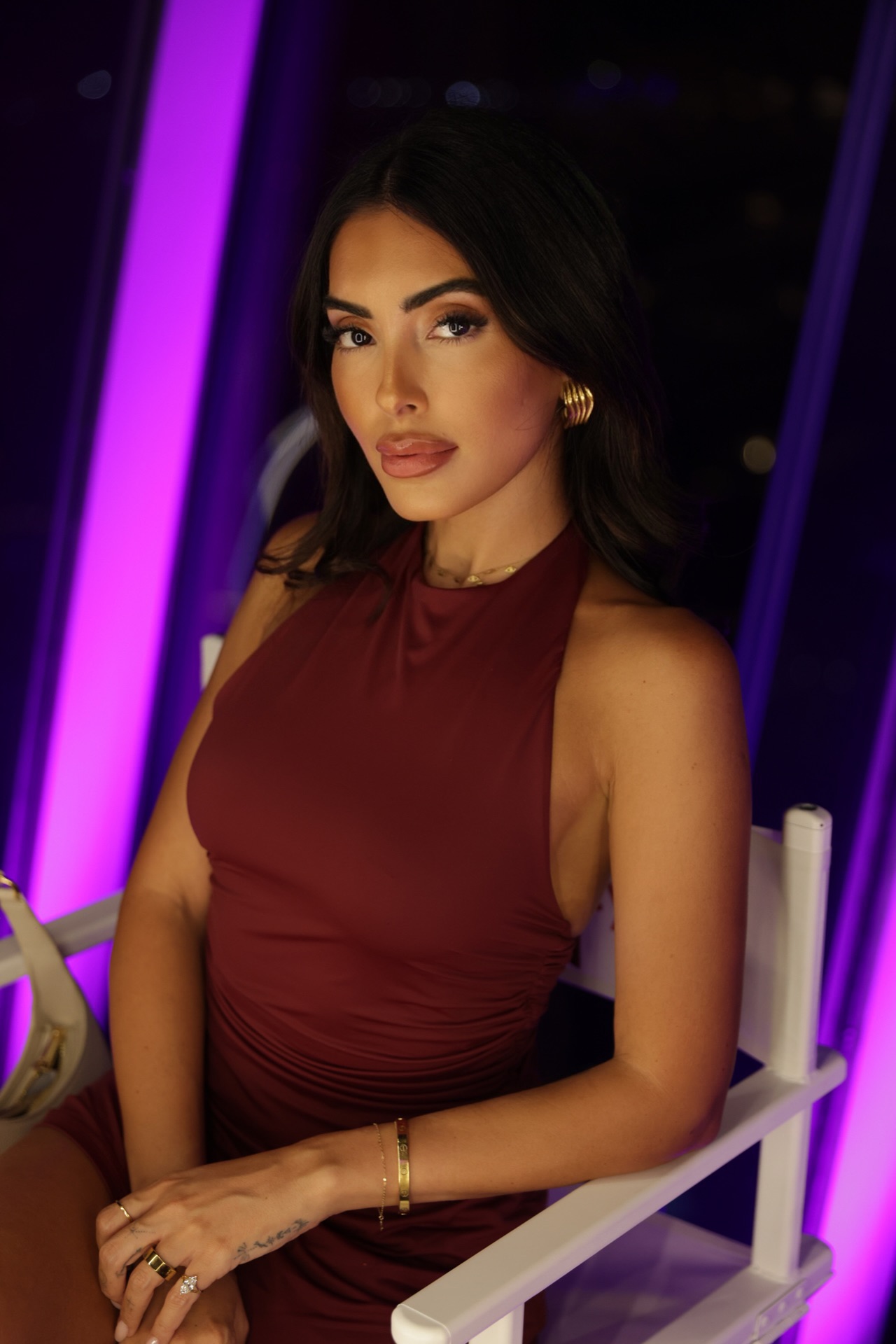
While she hasn’t actively pursued investments, Tala acknowledges a growing shift in how creators work with brands. “I do think it’s becoming more common to see brands collaborate with creators in a deeper way, moving beyond just paying a fixed fee and instead offering commission structures, equity, or even co-creating something together,” she explained. For creators looking to build sustainable careers, she believes branching out, whether by launching personal brands or collaborating at a deeper level, is no longer optional, but necessary.
Navigating ownership and longevity
Shifting from influencer to investor introduces new dynamics, where immediate payments are replaced by long-term stakes in startups, and the risks are considerably higher.
Equity involvement often brings creators into unfamiliar territory: product development, marketing strategy, governance, and even capital deployment. While some see this as a natural extension of their brand influence, others face questions around time commitment, role clarity, and the impact on personal branding.

Unlike traditional campaigns, equity deals come with delayed returns and the potential for loss, especially if a company fails or stalls. As influencer-investors take on more diversified portfolios, concerns around sustainability and audience trust are also emerging.
What comes next? The future of creator-led capital
As the financial ecosystem matures, some creators are backing venture funds. Others are experimenting with syndicates, co-ownership models, or shared IP ventures. The relationship is shifting; it’s no longer just about promoting a product, but being part of building it for creators.
There’s also a noticeable shift toward cross-border collaboration. Regional creators are having real conversations with global VCs, accelerators, and tech platforms. What’s emerging isn’t just a trend, it feels more like a structural change in how capital and influence move together.