For many in their 20s in the UAE, balancing rent, loans and lifestyle costs leaves little room for long-term planning. Yet financial experts argue that the earlier people start, the more powerful compounding becomes. Dubai’s financial planners say the priority is not the size of the contribution but the discipline of making saving a routine. “The most important step is developing the discipline of saving and investing consistently,” said Saqib Mahmood, Group Chief Commercial Officer at National Bonds. “Wealth building at this stage is less about the size of the contribution and more about forming habits that will compound over time. By treating saving as a non-negotiable expense, similar to rent or utilities, young people establish a mindset of prioritising their financial future.”
That mindset becomes easier to sustain when goals are clearly defined. Mahmood argues that setting objectives, such as establishing an emergency fund, planning for a future home, or long-term retirement planning, helps individuals remain committed during inevitable market swings. For people in their twenties, he said, time is their biggest asset. Delaying even a few years erodes the advantage of compounding that cannot easily be recovered later in life.
While financial planners often suggest allocating 10 to 15% of monthly income to savings and investments, Mahmood points out that those under pressure from rent, loans or lifestyle costs should not be discouraged by smaller amounts.
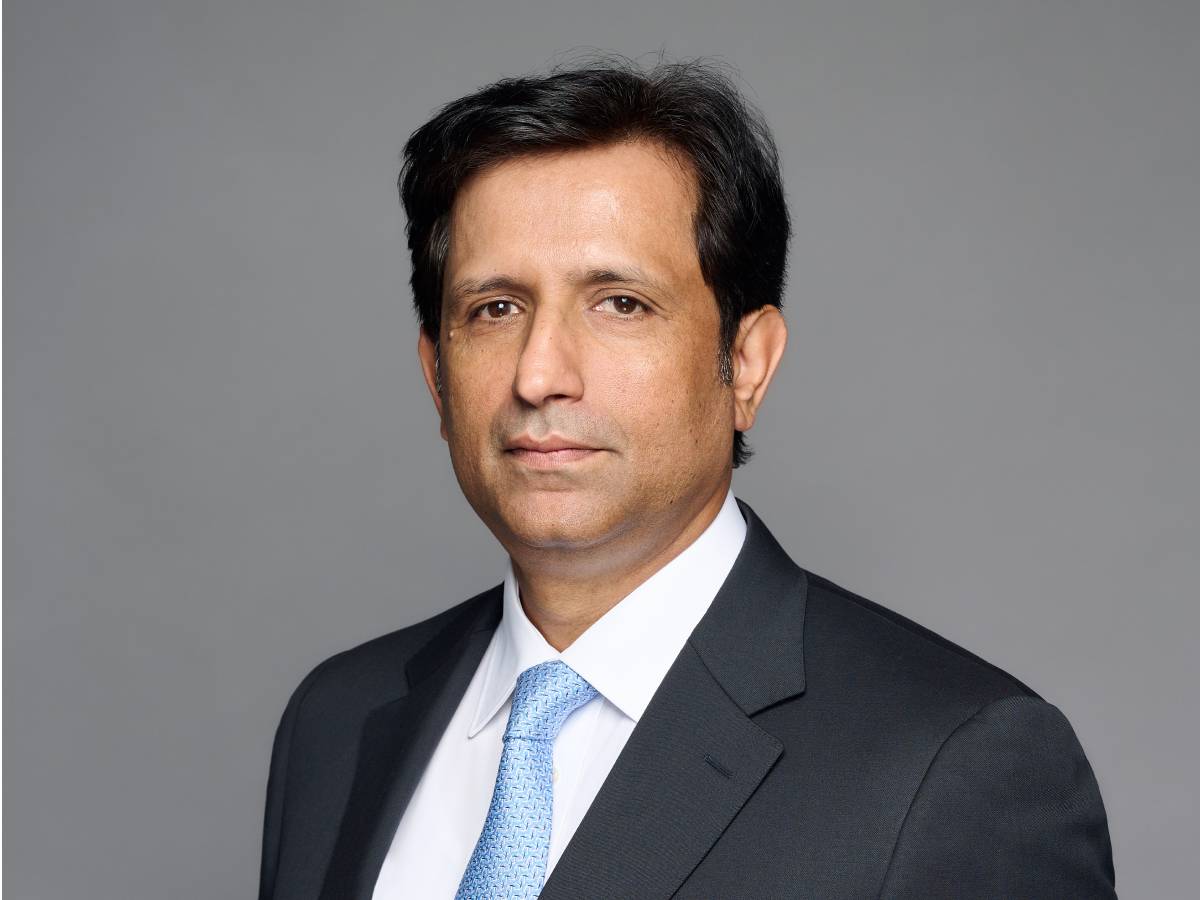
“For young professionals with heavy commitments, even starting with 5 per cent is impactful,” he said. “The key is consistency, gradually increasing contributions as income rises.”
As the savings culture develops, the question of where to place money becomes crucial. Mahmood encourages beginners to stick with simple products such as savings plans and retirement-linked accounts, particularly those tied to automated salary deductions that remove the temptation to spend first and save later. In the UAE, Sharia-compliant structured savings products are also gaining popularity. By contrast, he warned against highly leveraged instruments, speculative trading or complex products that are not well understood. “Beginners often get drawn into short-term trading or high-risk schemes, which can derail long-term financial security,” he said.
How much should I save in my 20s?
Balancing immediate needs with longer-term goals requires a structured approach. Mahmood recommends separating liquidity for emergencies from medium-term aspirations such as travel or property purchases, while committing other funds to diversified long-term investments. This tiered approach allows individuals to meet unexpected expenses without compromising future plans, while also ensuring exposure to market growth over time.
Common mistakes among younger investors often come from postponing saving until earnings rise, taking on consumer debt that erodes the capacity to build wealth, or pursuing speculative opportunities without understanding the risks. Mahmood added that the absence of clear financial goals frequently leads to inconsistent saving behaviour, undermining progress in the crucial early years of compounding.

Risk appetite
Risk appetite is another point where perceptions need to be tempered. Although conventional wisdom suggests that people in their twenties can afford to take more risk, Mahmood argues that it is essential to first build a solid base in stable, fixed-income instruments. “Once that base is established, you can gradually introduce higher-risk investments, beginning with a modest allocation, such as 5 per cent, and expand exposure as your financial position strengthens,” he said.
Role of tech
Technology is reshaping the way young investors approach these decisions. In the UAE, robo-advisors and digital investment platforms such as Sarwa and Wahed Invest are expanding rapidly, offering low-cost and automated portfolios that appeal to millennials and Gen Z. Recent studies suggest that younger investors are increasingly drawn to these services for their accessibility and convenience, with the local robo-advisory market expected to grow sharply in the coming years. Mahmood believes these platforms are valuable tools when they are regulated, transparent and affordable. “Accessibility has opened the door for young people to start their investment journey more easily than ever,” he said. “These platforms add real value when they are equipped with features like goal-setting and financial planning support.”
Even with digital tools, Mahmood cautions that professional advice remains important when choices are unclear. “When decisions feel complex or unclear, speaking to qualified experts can provide clarity and confidence,” he said. Combining accessible technology with human expertise, he argues, ensures young investors not only start early but also make informed decisions that will endure.
In a country where household debt is rising and inflationary pressures are squeezing incomes, the challenge for young professionals is to build a financial foundation that withstands short-term demands while safeguarding the future.