Planning for retirement in the UAE is no longer a matter reserved for later life. With shifting employment norms, rising living costs, and evolving savings tools, residents are increasingly being urged to take early, structured steps toward financial independence, even from their first paycheque. Experts say the pathway to long-term security begins with disciplined saving, diversified investments, and a strategy that adjusts with age and risk tolerance.
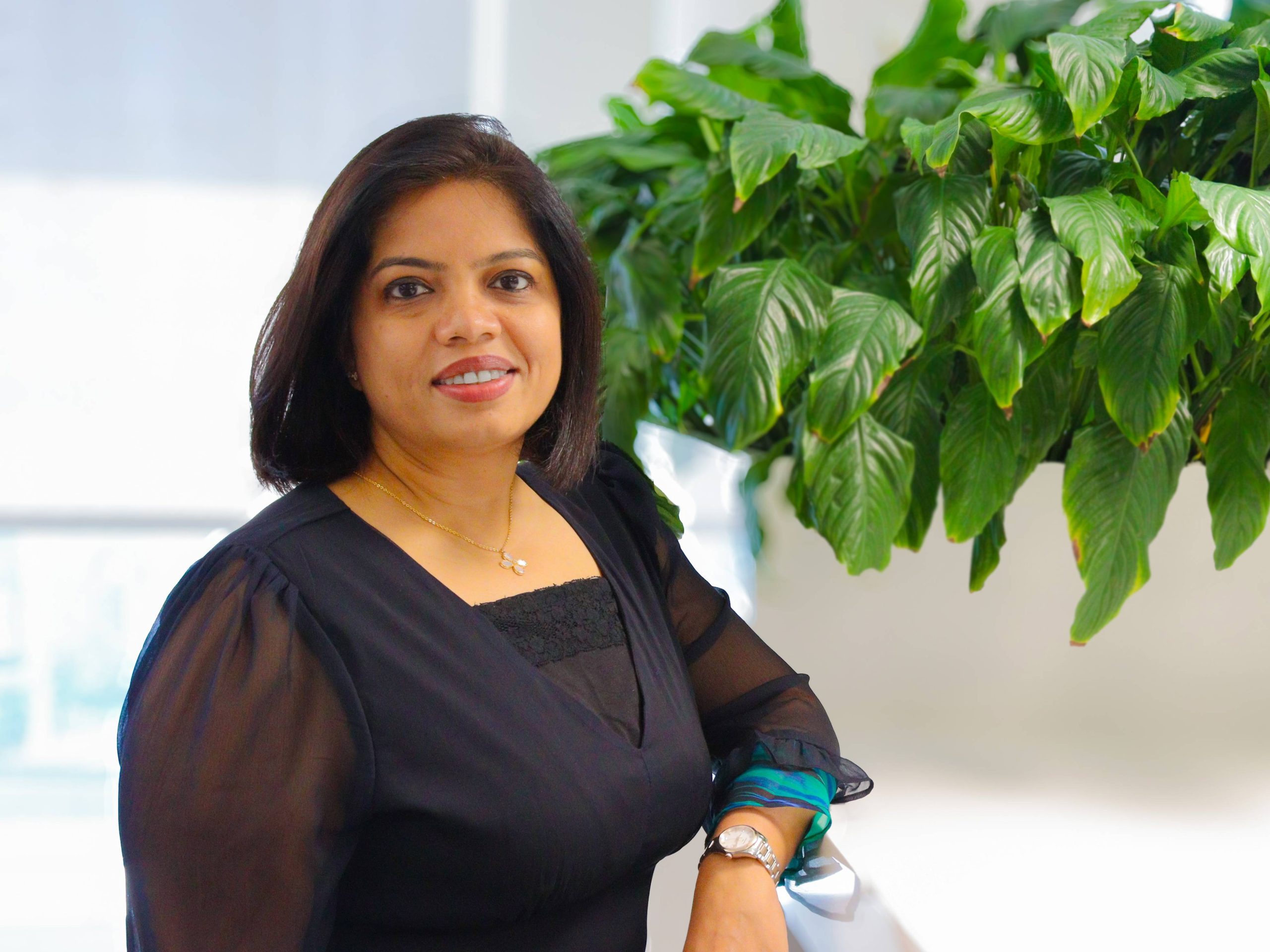
Shilpa Chitanand, Head of Retail Distribution at Zurich International Life Ltd. Middle East, is clear on the timing “The best time to start planning for retirement is with your very first paycheck. While it’s never too late to begin, starting early gives your money more time to grow and allows you to build financial habits that support long-term security,” she said.
Bas Kooijman, CEO and Asset Manager of DHF Capital S.A, shared the same view. “The ideal time to start planning for retirement is as early as possible, preferably with the very first paycheck. Beginning in your 20s allows you to fully leverage the power of compounding, where your investment returns help generate a larger capital over time,” he said, adding that the FIRE (Financial Independence, Retire Early) movement is gaining traction in the UAE.

Both experts emphasised that before investing, residents should establish an emergency fund. “It is crucial first to establish an emergency fund that covers at least three to six months of essential living expenses,” said Kooijman.
How much is enough?
On how much to save, Chitanand recommended a range. “A good rule of thumb is to allocate between 15% and 20% of your monthly income toward retirement savings. This range allows you to build a strong foundation for the future while still managing current expenses,” she said.
She also emphasised flexibility. “What matters most is getting started, even if the initial amount is small. For example, saving just Dh750 from a monthly income of Dh5,000 can put you on the right track.”
Kooijman, meanwhile, pointed out the need to increase contributions as one ages. “The popular 50/30/20 budgeting rule aligns with this idea, allocating 20% of after-tax income to savings and investments,” he said. “A more dynamic approach is to increase your savings rate with age, saving 15–20% of your income at age 30, increasing this to 25–35% at age 40, and aiming for 40% or more in your 50s.”
For those aiming to retire early, he said, “The savings rate must be significantly more aggressive, often 40% to 50% or higher.”
Where to invest for long-term growth?
When it comes to safe investment vehicles for retirement, both Chitanand and Kooijman advocate for diversification, though their approaches reflect the breadth of the market.
“In the UAE, residents have access to a variety of investment vehicles that balance low-to-moderate risk with the potential for long-term returns,” said Chitanand. She listed government bonds, mutual and index funds, employer-sponsored retirement schemes like DEWS, gold, and real estate as options worth considering. “Insurance-linked plans, on the other hand, combine disciplined savings with life or critical illness cover, ideal for those who want predictable growth alongside financial security for their families,” she said.

Kooijman agreed that safety and predictability are crucial, especially in the years leading up to retirement. “On the safer side, government bonds (including Sharia-compliant Sukuk) are ideal. They are considered low-risk and provide a stable cushion when stock markets are volatile,” he said. He also backed low-cost ETFs. “For long-term growth, low-cost, globally diversified Exchange-Traded Funds (ETFs) provide capital appreciation potential and diversification across hundreds or thousands of stocks, are transparent, and have significantly lower fees than actively managed mutual funds.”
While real estate remains a popular option, he cautioned: “It is an illiquid asset with high ongoing costs.”
Shifting gears before retirement
A key part of any retirement plan is knowing when and how to adjust your investment strategy. “As you approach retirement, your investment strategy should gradually shift from focusing on growth to prioritising preservation and income stability,” said Chitanand. That means moving away from riskier assets and increasing exposure to bonds and cash equivalents. “Regular reviews and portfolio rebalancing are critical during this phase,” she added.
Kooijman outlined the same “glide path” principle. “Early in the career (20s and 30s), the primary goal is aggressive growth. Later in the career (40s and 50s), the strategy shifts to balanced growth. In the final 5–10 years before retirement, the objective becomes capital preservation,” he said.
Planning to retire abroad?
For UAE residents considering retirement overseas, the financial checklist becomes more complex.
“When planning to retire abroad, it is essential to carefully consider several financial factors to ensure a secure and comfortable retirement,” said Chitanand. These include cost of living, inflation, currency fluctuations, tax obligations in both countries, legal status, estate planning, and access to funds.
Kooijman also stressed tax implications and healthcare costs. “This involves understanding how pension payments, investments, and other income will be taxed,” he said. “Consider holding assets in the local currency to mitigate [currency] risk.”
Whether planning to retire in Dubai or abroad, both experts agree on three things: start early, stay consistent, and adapt your strategy as you go. “Ultimately, consistency is key,” said Chitanand. “Automating contributions and making retirement savings a fixed part of your budget helps build financial discipline and long-term security.”