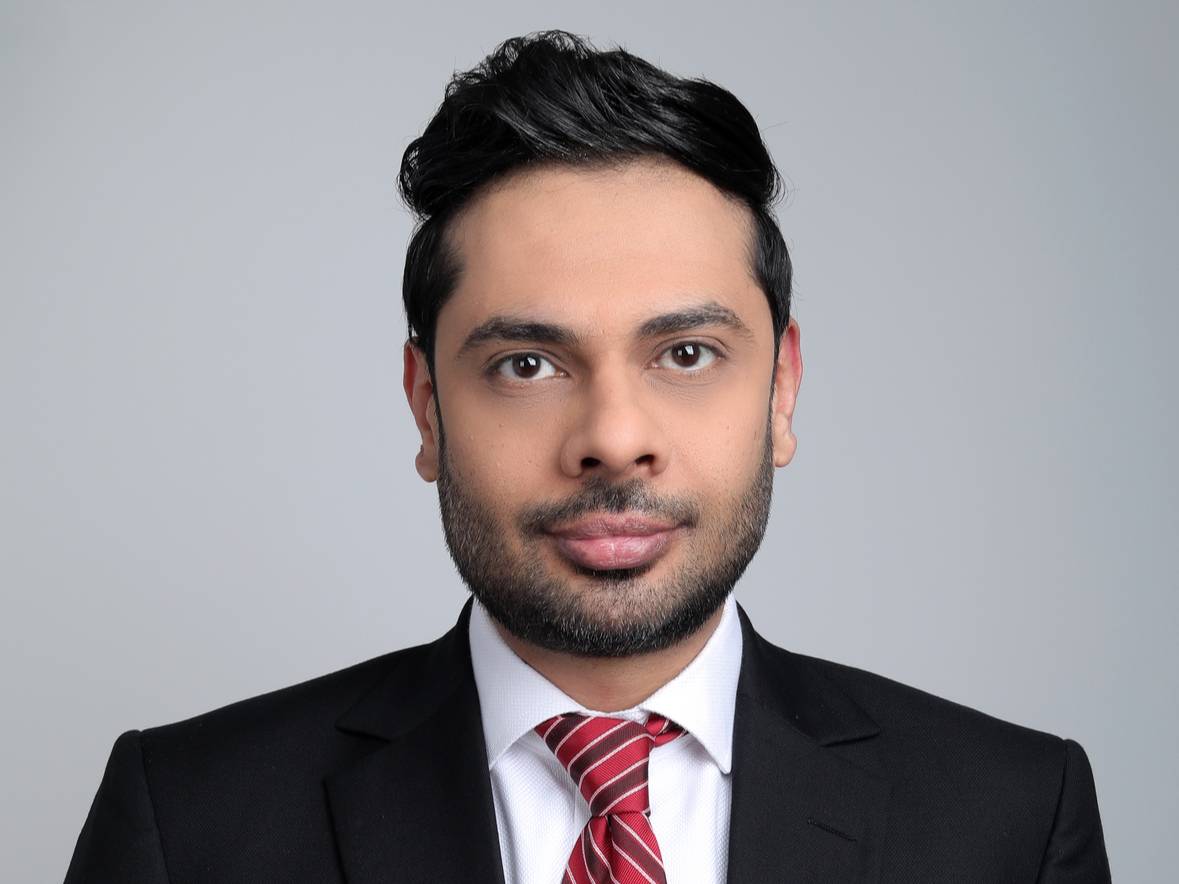
In Dubai and Abu Dhabi, where sports cars line the streets and brunch can cost as much as rent elsewhere, many residents find themselves living from one paycheque to the next and are left with one question: “How to stop being broke?”. Faizan Mandavia, Founder and Chief Advisor at FAM Advisory, has seen the problem repeatedly and believes the cause is less about income and more about everyday habits that quietly drain bank accounts.
“Most people run into trouble by not keeping track of their spending,” he said. Small purchases build up, and lifestyle inflation ensures that a salary bump is often followed by an upgraded apartment, a car, or a social life. “As soon as you get a raise, it’s tempting to upgrade your apartment, car, or social life, so the extra cash disappears just as quickly.” The reliance on credit cards adds another layer of risk, and without an emergency fund, one unexpected bill can destabilise even the most comfortable household.
How to manage money?
Mandavia recommends a simple framework for anyone struggling to manage money: the 50/30/20 rule. Half of income goes to essentials like rent and groceries, 30% can be set aside for discretionary spending, and 20% should be channelled to savings or debt repayment. “Automate your transfers,” he advised, so saving comes first and spending follows. Controlling the big expenses such as rent, car leases, and insurance is equally important, as they have an outsized impact on monthly budgets. Fixing a weekly amount for entertainment can then help maintain balance, allowing people to enjoy the city’s lifestyle without burning through savings.
The foundation of financial stability, he insists, is an emergency fund. Mandavia suggests building it in two layers: a relocation buffer of Dh5,000 to 10,000 to cover sudden moves, rent hikes or repairs, and a larger reserve of three to six months’ worth of essential living costs. Keeping these funds in a separate account ensures accessibility in a genuine emergency while reducing the temptation to use them for day-to-day spending.
Striking the right balance
Asked whether it is more effective to cut costs or focus on increasing income, Mandavia explains that the two approaches work best together. Cutting expenses offers immediate relief, but long-term stability depends on raising income through upskilling, negotiating for higher pay or developing side ventures. He warns that debt can quickly spiral out of control, and the warning signs should not be ignored. “If you’ve been making only the minimum payment on your credit card for more than three months, that’s a flashing red light,” he says. Using one card to pay off another, dipping into savings for rent or avoiding calls from unknown numbers are further signs that debt has begun to take charge.
Start investing
For those who feel locked out of investing because they have little saved, Mandavia’s advice is to start small but start immediately. In the UAE, investing can begin with as little as Dh500 to 1,000 in a low-cost index fund or robo-advisory account. What matters more than the initial sum is consistency, with regular contributions building returns over time.
Financial goals play a central role in this process. Without them, spending becomes reactive rather than planned. Mandavia recommends building an emergency fund first, clearing high-interest debt second, investing for the future third, and only then considering lifestyle upgrades or large purchases. “That way, you’re building security first, comfort second,” he said.

Small, regular habits make the difference. Checking balances daily, logging expenses, reviewing patterns weekly, reading credible financial resources monthly and reassessing bank fees, insurance and investments annually help ensure that money works as hard as possible.
The need for structure is becoming more pressing. Surveys in the UAE show that nearly half of residents spent more than they earned in the past year, and many admitted they would not last beyond two weeks without income. This financial fragility is growing even as salaries remain attractive and the absence of income tax makes the region appealing. Rising rents, high relocation costs and soaring utility bills are putting pressure on households, with many reporting electricity bills doubling or tripling during the peak of summer.
Expat stories reinforce the challenge. One Dubai resident described how the accessibility of luxury made it difficult to resist. Even after saving around 30% of her salary over four years, she admitted that yacht parties, bottomless brunches and high-end leases drained far more money than she had planned. She described her lifestyle simply as “overboard.”
Not having money is rarely about insufficient income it is more often about unplanned spending and the absence of a framework to manage it. In cities like Dubai, financial stability depends on discipline, knowing your numbers, setting boundaries and establishing habits that protect savings.
The real luxury is not the next brunch or sports car lease but the security that comes from a bank balance strong enough to handle both today’s temptations and tomorrow’s shocks.