
For many residents in the UAE, the question of whether to rent or buy property is more pressing than ever. Rising rental prices, coupled with new mortgage products and government-backed schemes, are shifting the economics of this long-standing dilemma.
The decision, however, goes beyond short-term cost. It depends on upfront capital, long-term planning, income stability, and evolving market dynamics. For first-time buyers and investors alike, understanding the financial architecture of each option is critical.
The cost of entry
Buying a home in the UAE demands a substantial upfront outlay. Residents typically need to put down at least 20% of the purchase price as a down payment, while non-residents may need to cover up to 50%. On top of this, there are a host of associated fees.

“Buyers should budget another 6–8% of the property value to cover associated fees,” said Mohamad Kaswani, Managing Director of Mortgage Finder. “These include the Dubai Land Department (DLD) fee of 4%, property registration fees, agency commission, mortgage arrangement fees, mortgage registration charges, and a property valuation fee.”
Ayman Youssef, Managing Director at Coldwell Banker, provided similar estimates. “The down payment ranges from 20% to 25% for residents. For non-residents, it’s around 50%. Then you have DLD fees, agency fees, valuation and mortgage registration—altogether, it’s a significant commitment.”
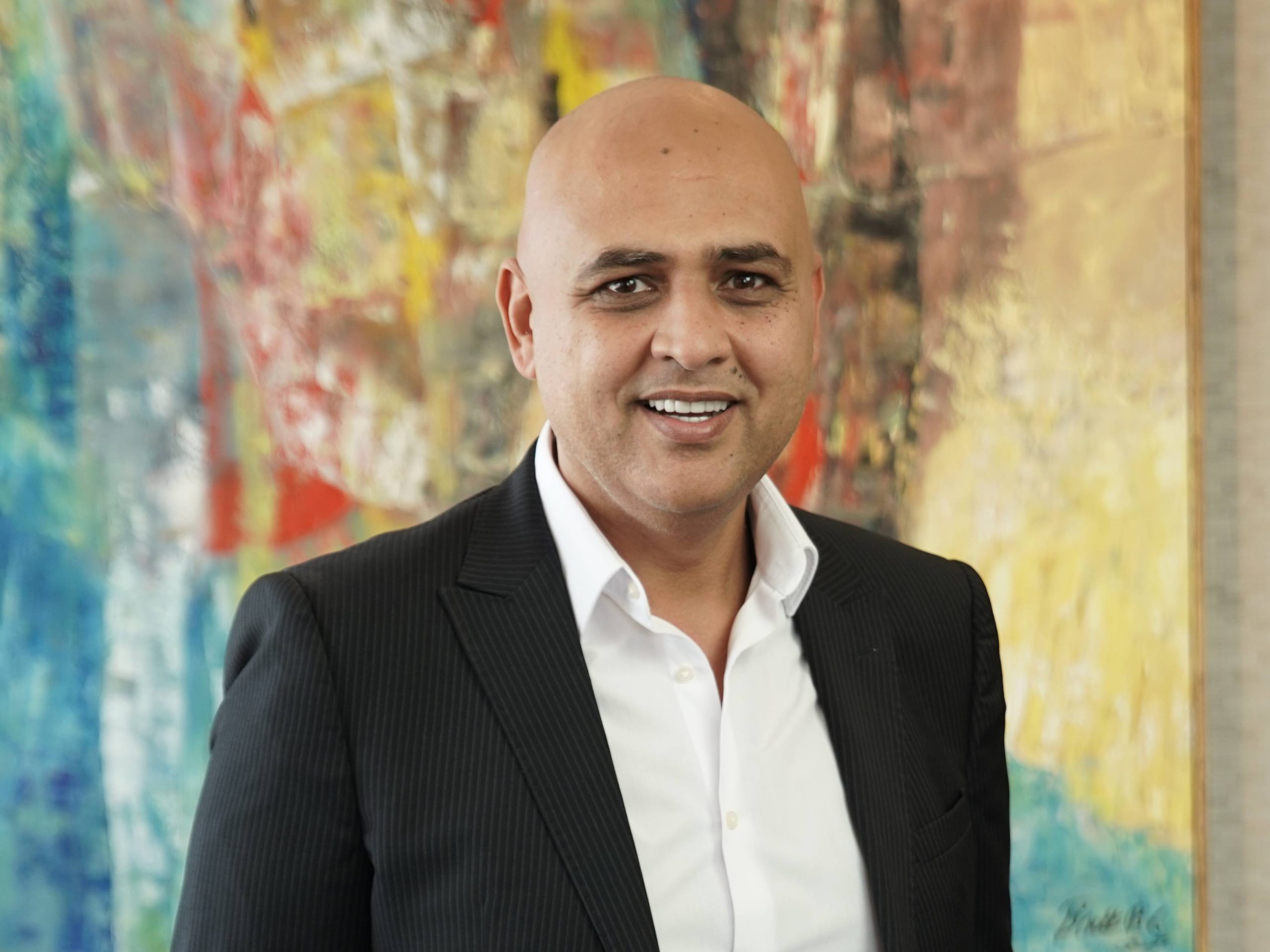
However, new financing tools are emerging to ease this burden. “Some government initiatives now offer interest-free instalments on DLD fees through eligible credit cards,” Youssef added.
Mortgage access and arbitrage
Mortgage access in the UAE is relatively broad, with a wide range of options available to both residents and non-residents. Fixed-rate, variable-rate, and Islamic finance options are all accessible, although the terms differ significantly based on residency.
“Residents can get loan-to-value ratios of up to 80% and tenures up to 25 years,” said Kaswani. “Non-residents are also eligible, but with lower LTVs, typically 50–60%, and higher interest rates.”
Kaswani also pointed to an interesting arbitrage in the UAE market. “There are mortgage products offering rates under 4%, while rental yields can go as high as 8% in some communities. This differential is very attractive to investors.”
Youssef added that banks are offering preferred rates under the First-Time Home Buyer Programme launched by the DLD, expanding the pool of eligible borrowers.
ROI and the rental yield equation
The investment case for property ownership in the UAE is currently strong. Appreciation and yield are working in tandem to deliver solid returns across multiple segments.
“In Dubai, villa prices rose by 18% over the past year, while apartments went up by 11%,” said Kaswani. “In Abu Dhabi, apartments increased by 16%, and villas by 12%.”
Rental yields add another layer of income potential. “Gross rental yields typically range from 4% to 10%, depending on property type and location,” Kaswani noted. “Smaller units and newly developed communities tend to offer the highest returns.”
Youssef said the gross yield in Dubai currently averages 6.5%. “Suburban areas like JVC and Dubai South are delivering between 7% and 9%. Prime areas like Downtown Dubai and Marina tend to yield 4% to 6% due to their higher entry prices.”
Despite lower yields, investors often favour prime areas for reasons beyond cash flow. “Liquidity, resale value, and capital appreciation potential often outweigh the lower yield,” he said.
Why rent still makes sense for some
Despite favourable economics for buyers, renting still holds merit, especially for newcomers or those unsure about long-term plans.
“Mobility, lower upfront costs, and the ability to adjust your living arrangements without long-term commitments are clear advantages,” said Youssef.
For expats or residents testing different neighbourhoods, renting offers flexibility. But this could change. “With rents at an all-time high, we are seeing more renters becoming buyers,” Kaswani said. “Ninety-four percent of our mortgage transactions are end users.”
Mortgage Finder has responded to this trend with decision tools. “We built a rent vs. buy calculator to help clients assess this choice objectively,” he added.
Outlook and market direction
Both Kaswani and Youssef agree the market is showing sustained strength, though the pace of growth may moderate in the months ahead.
“The market shows no signs of slowing,” said Kaswani. “We’ve seen mortgage activity reach new highs. More than 48% of ready property buyers now use a mortgage, which is a clear sign of growing demand among end users.”
Youssef expects different trends across asset classes. “Prime areas may stabilise. Villas and townhouses could see moderate growth. Suburban areas will likely continue rising due to infrastructure and affordability.”
He also cautioned that less desirable apartment segments could face downward pressure. “With interest rates gradually declining and new supply entering, affordability is improving. That’s good for both investors and first-time buyers.”
For those looking to live in the UAE for three to five years or more, buying is often the more financially viable option, particularly given today’s high rents and comparatively low mortgage rates.
But for those prioritising flexibility or uncertain about long-term commitments, renting still holds strong appeal.
In either case, the UAE’s evolving market offers new tools, better access, and expanding options for both sides of the rent-buy equation.