Entrepreneurs across the Middle East are leveraging their wealth and influence to drive economic growth, yet many face critical challenges in succession planning and adapting to global trends, according to HSBC’s Global Entrepreneurial Wealth Report 2024. The study surveyed over 1,800 high-net-worth (HNW) and ultra-high-net-worth (UHNW) entrepreneurs globally, including the UAE, and sheds light on key themes shaping the entrepreneurial landscape.
Optimism as a defining trait
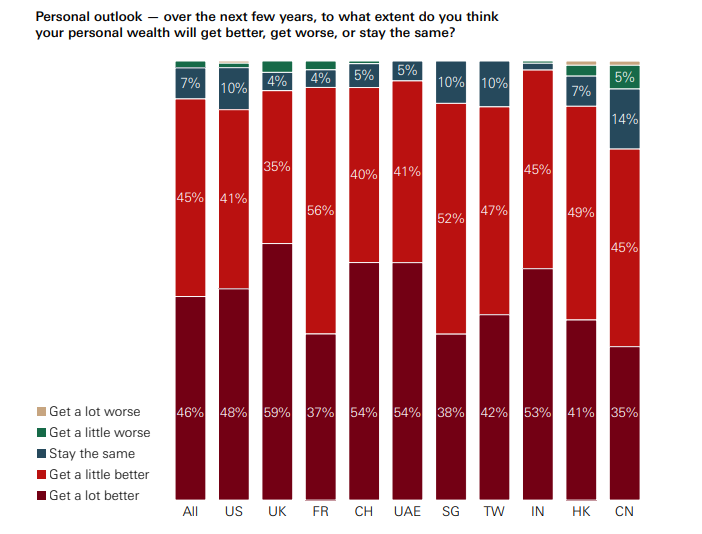
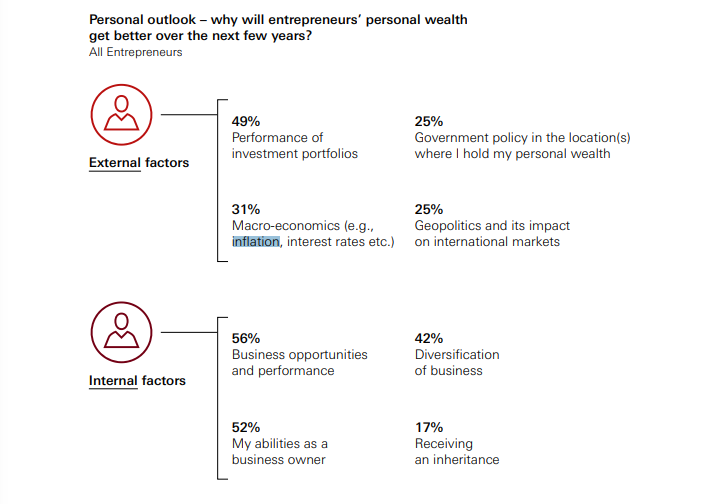
Entrepreneurs in the Middle East, particularly in the UAE, emerge as some of the most optimistic globally. More than 90% of respondents from the region believe their personal wealth will grow in the coming years. This sentiment is driven primarily by confidence in business opportunities and their own abilities as entrepreneurs, with optimism significantly higher than in regions like China, where only 80% of respondents shared similar views.
Technological advancements play a key role in this optimism, with 46% of Middle Eastern entrepreneurs identifying technology as a major driver of business growth. This aligns with regional initiatives to diversify economies away from oil and invest in sectors such as artificial intelligence, fintech, and renewable energy. Younger entrepreneurs, in particular, are more inclined to embrace technology, which they see as essential to staying competitive and capitalising on emerging opportunities.
Succession planning
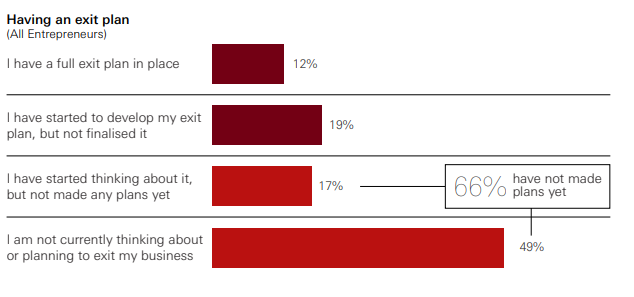
Despite their confidence and forward-thinking strategies, most entrepreneurs in the region lack adequate succession or exit plans. Globally, the report reveals that 66% of entrepreneurs have no formal strategy for transferring ownership or managing wealth succession, and the figures are consistent for the Middle East. This oversight is particularly pronounced in family businesses, where cultural and emotional dynamics often hinder open conversations about leadership transitions.
Multi-generational entrepreneurs, while slightly better prepared, still face significant challenges. Over half (52%) reported that taking over the family business was highly stressful, and 50% admitted it constrained their personal and professional aspirations. A further 50% said they felt obligated to assume control rather than pursue their own goals. These findings highlight a broader tension: while entrepreneurs value their legacy, they often struggle with the practicalities and emotional challenges of succession planning.
Serial entrepreneurship and risk diversification
The region also sees a high prevalence of serial entrepreneurship, with nearly half of UAE respondents owning multiple businesses. This trend reflects a growing emphasis on diversification as a strategy to mitigate risk and capitalise on new market opportunities. Serial entrepreneurs often approach their ventures with an exit strategy in mind, focusing on scalability and potential acquisition. This contrasts with single-business owners, who are more likely to view their companies as extensions of their identity.
Wealth allocation and asset diversification
Middle Eastern entrepreneurs prioritise wealth allocation across diverse asset classes, balancing investments in private equity, real estate and technology with a focus on long-term sustainability. While investments in art and collectibles are less common compared to markets like China, the emphasis on pragmatic, high-yield assets highlights a results-driven approach.
The report also notes that many entrepreneurs in the region are globally mobile, with a significant number considering relocating their wealth or business operations to international hubs such as Singapore, Switzerland and the UK. This trend reflects the globalised outlook of Middle Eastern entrepreneurs and their focus on optimising financial and operational strategies across jurisdictions.
Inflation, climate change and emerging challenges
Inflation was identified as the top concern for 31% of Middle Eastern entrepreneurs, reflecting the region’s sensitivity to global economic fluctuations. Climate change ranked as the second most pressing issue, cited by 24% of respondents, underscoring the growing importance of ESG considerations in business planning. Entrepreneurs are also navigating geopolitical risks, regulatory complexities and challenges in talent acquisition, all of which complicate long-term strategy development.
These challenges are prompting many entrepreneurs to invest in sustainable technologies and innovations. For instance, renewable energy and energy efficiency solutions are gaining traction as viable investment options, aligning with global trends and regional government initiatives to transition towards low-carbon economies.
Mentorship and networks
According to the report, over 80% of respondents emphasised the value of having trusted advisors and global networks, yet 31% admitted they lack access to immediate peer groups for guidance. This isolation can exacerbate feelings of stress and loneliness, particularly in high-pressure environments.
HSBC’s report highlights the role of tailored advisory services and mentorship programs in bridging these gaps, helping entrepreneurs navigate complexities ranging from succession planning to global market expansion.
The Global Entrepreneurial Wealth Report 2024 reveals that while Middle Eastern entrepreneurs are optimistic and forward-thinking, they face significant challenges in succession planning, adapting to ESG trends and achieving work-life balance. Addressing these issues will be critical for sustaining their influence and ensuring the long-term success of their ventures.
By fostering a culture of planning, leveraging global networks, and embracing sustainable investments, Middle Eastern entrepreneurs can continue to drive regional and global economic growth.