

As AI, blockchain, digital currencies, and hyper-automation redefine the way we live, it’s the analogue items of the past that are gaining value and investor attention. Across the Middle East and worldwide, vintage technology and retro consumer brands are being seen as valuable assets.
From first-generation iPods, digital cameras, to reborn legacy brands like Polaroid and Casio, nostalgia is no longer just a cultural trend—it’s a financial opportunity.
A new asset class: memory with market value
Once confined to collectors and hobbyists, the market for vintage tech and retro branding has exploded in recent years. Auction houses have reported record-high bids for first-gen iPods, original PlayStation consoles, and mint-condition Tamagotchis. Notably, a first-generation Apple iPhone sold at auction in the US for $190,000 – over 300 times its original retail $599 price. Moreover, original PlayStation consoles and rare Tamagotchis in mint condition have seen their prices soar at specialist tech and memorabilia auctions. Even early-generation iPods have fetched thousands of dollars, especially models that are unused, sealed, or include rare features like the original scroll wheel.
The resurgence is being powered by millennials and Gen Z, with social media playing a crucial role in amplifying the retro wave. TikTok creators have sparked a major trend around early-2000s digital cameras, particularly models like the Canon PowerShot G-series and Sony Cyber-shot, with videos showcasing these “digi-cams” amassing millions of views. Many celebrities have also been spotted using point-and-shoot or film cameras, further fueling the aesthetic. In response, companies like Kodak have ramped up production, underscoring just how powerful this wave of nostalgia has become in shaping consumer habits and reviving analogue tech.
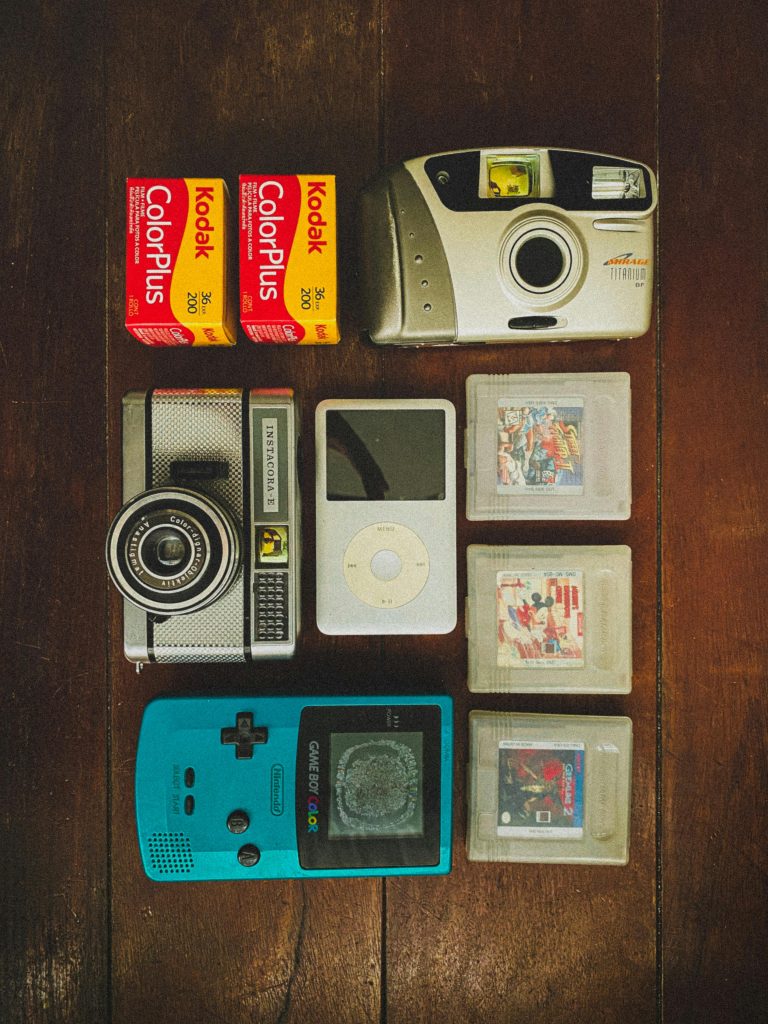
This digital generation grew up with these devices and are now in a position to buy them back, this time as luxury items or investment pieces. They are also driving demand for legacy fashion, with discontinued models from brands like Adidas, Reebok, and Fila resurfacing on resale platforms at premiums that rival high-end designer labels.
The business of retro: who’s cashing in?
US-based platforms like StockX, eBay, and Goldin have been instrumental in building the resale infrastructure, but the Middle East has quickly carved out its own niche in the global nostalgia economy. Regional auction houses are emerging as key players, offering authenticated vintage electronics and fashion to a growing base of collectors and investors across the Gulf.
Buyers are increasingly acting like investors; studying condition, rarity, and brand legacy as if evaluating stocks. With high inflation and market volatility still a reality in recent years, tangible assets with cultural cachet are holding their value well.
Collectors often focus on:
- Condition (sealed or “new old stock” items fetch a premium)
- Rarity (limited editions or discontinued models)
- Brand Legacy (early Apple and Sony gear lead the pack)
GCC users are actively buying, selling, and flipping authenticated goods. A mint-condition Game Boy or first-gen iPhone can yield returns upwards of 300%, particularly if it’s linked to a cultural milestone.
Why it’s booming: cultural drivers and emotional ROI
The surge in nostalgia investing reflects more than just the value of rarity, it’s rooted in emotion and identity. In a hyper-digital world, vintage tech provides a tactile, familiar contrast. For many, these items evoke less complexity, personal milestones, and a pre-surveillance internet.
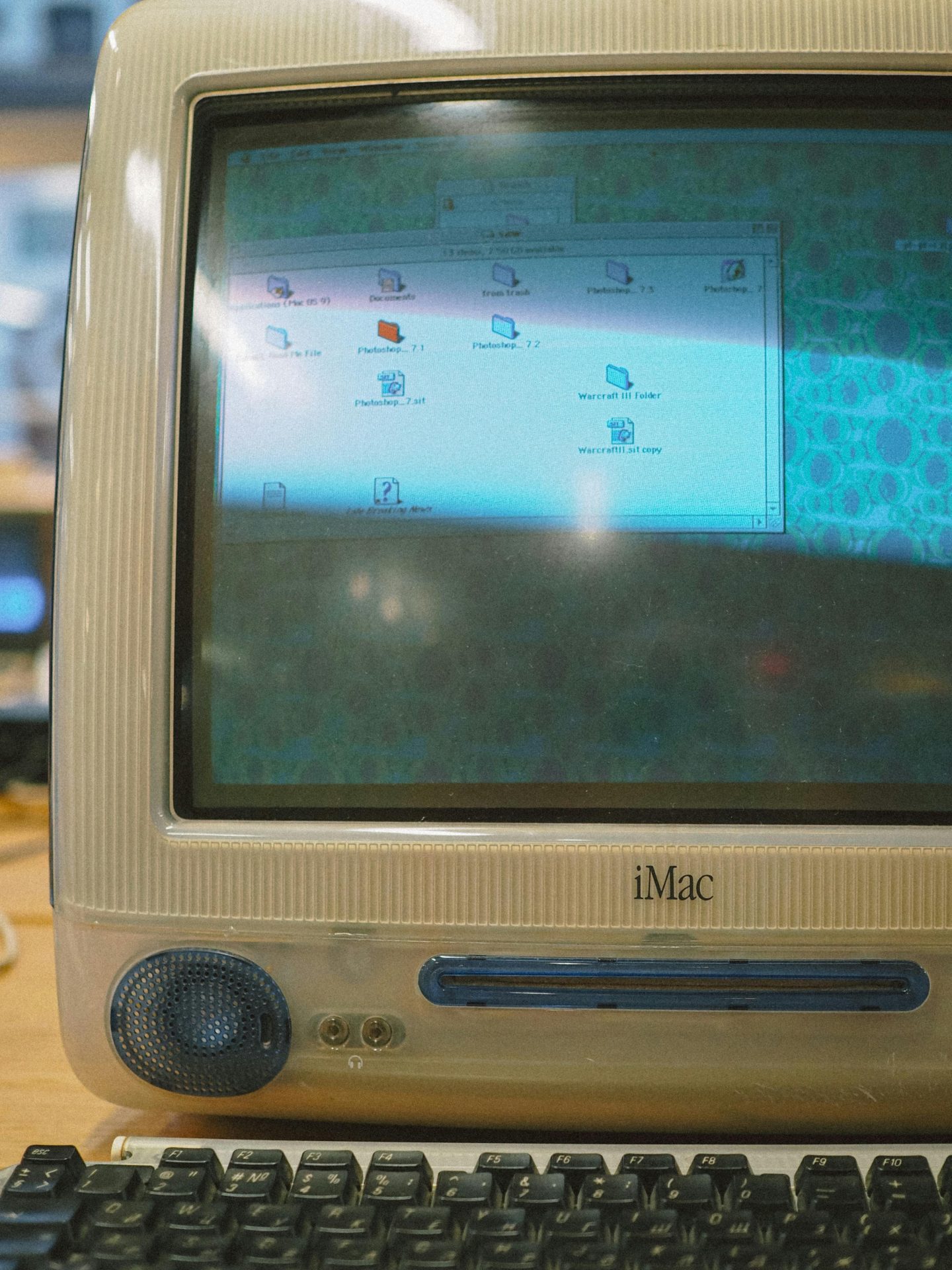
That emotional connection has serious financial upside. According to a Deloitte’s Arts, Collectibles & Wealth Management report found that 83% of art collectors buy primarily for emotional reasons, with 60% valuing the social aspect, and 40% and 25% citing investment potential and inflation protection, respectively. These insights highlight how emotionally driven assets like vintage tech and retro fashion are increasingly being viewed as viable investment opportunities, not just sentimental keepsakes.
Still, investing in this market is volatile and sentiment-driven. Unlike gold or equities, these assets are less liquid and more volatile, often driven by cultural shifts and hype cycles. Counterfeit goods and replicas continue to pose significant authentication challenges, especially in cross-border markets regulatory standards vary internationally.
Future trends in nostalgia investing
As alternative investments continue to evolve, nostalgia-based assets are expected to solidify their place in the global market. Institutional interest is rising, with some boutique funds in Europe and the US beginning to track vintage tech indices and collectables performance, such as Rally, with its SEC-registered fractional shares in vintage collectables, and Paris-based Luxury Tech Fund, which supports vintage-focused resale platforms, are prime examples of institutional bets on nostalgia assets.
In the Middle East, young consumers are shaping tastes and trends, and the blend of nostalgia and investment is becoming increasingly influential.