
Abu Dhabi’s decision to exit OPEC is poised to significantly accelerate infrastructure development across the emirate, enabling construction to occur at ten times its current pace.
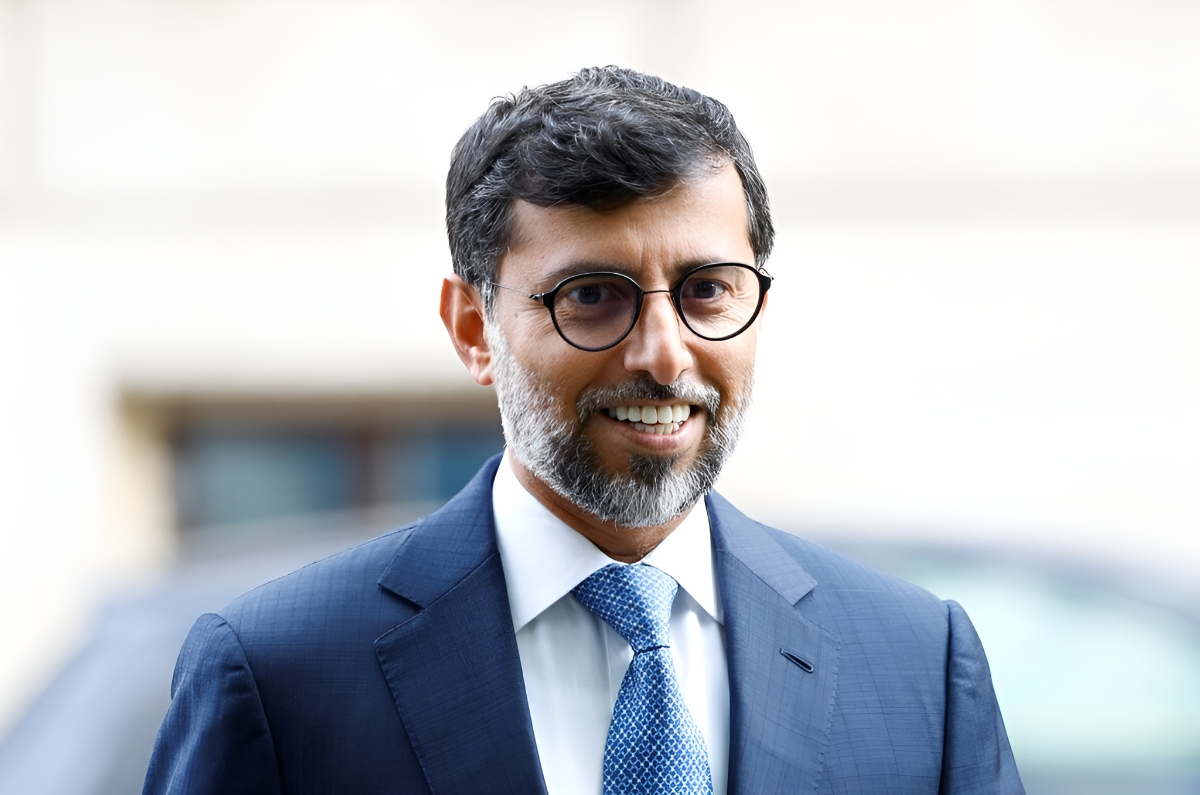
Suhail Al Mazrouei, UAE Minister of Energy and Industry, spoke in detail about the latest “policy move” citing the benefits to the decision to leave the cartel: “We don’t want to be limited by anyone on how much we produce to grow our economy and our industrial sector. That [was] the nature of that decision [to leave Opec],” H.E. said at Abu Dhabi’s Infrastructure Summit.
UAE officials also outlined that the government is advancing $57B in infrastructure investments across 500 projects.
While specific details of these projects were not disclosed, the scale suggests a significant push toward enhanced public construction aligning with the UAE’s push across national initiatives.
National Realities for the UAE
The UAE announced its departure from OPEC effective May, indicating a strategic pivot towards greater autonomy in managing its oil production and economic initiatives.
In conjunction with this policy shift, Abu Dhabi unveiled $15B in public-private partnership projects, comprising 24 developments that will reach the market between FY26-27.
The initiative aims to bolster infrastructure and cater to the emirate’s rapidly growing population, which is currently outpacing housing supply.
OPEC Supply Increase
Despite the exit from OPEC, the UAE will not be unable to significantly increase supply until the partial blockade of the Strait of Hormuz is resolved.
Abu Dhabi maintains control of alternative pipelines – specifically the Habshan-Fujairah (ADCOP) pipeline – yet capacity is capped at 1.8M BPD.
Saudi Arabia, OPEC’s largest producer, maintains the East-West crude pipeline connecting Abqaiq in the East to Yanbu on the Red Sea, with a total capacity of 5M BPD of crude oil.
Private Sector Involvement
The successful execution of these projects will be critical in meeting the needs of a growing population, with the UAE seeing a 250 times uptick in population growth on 1901. This equates to a 24,900% growth rate (1901-2025).
In contrast, the population of the United States has only quadrupled in that time and that of France has not even doubled.
Stay Up to Date with the Latest Updates at Finance ME
EDGE’s Rodrigo Torres on Risk, Sovereignty and Defence Finance in a Multipolar World
Syria Eyes Gulf Capital as Emaar CEO Visits Latakia
Dubai Holding Becomes Largest Stakeholder in Emaar Properties