
The Iran war has affected firms with job cuts and salary cuts, as the global economy faces a slowdown with the disruption to supply chains and investor confidence, but little has been said about the immediate impacts on the UAE labour market and how Dubai’s labour market will recalibrate post-war.
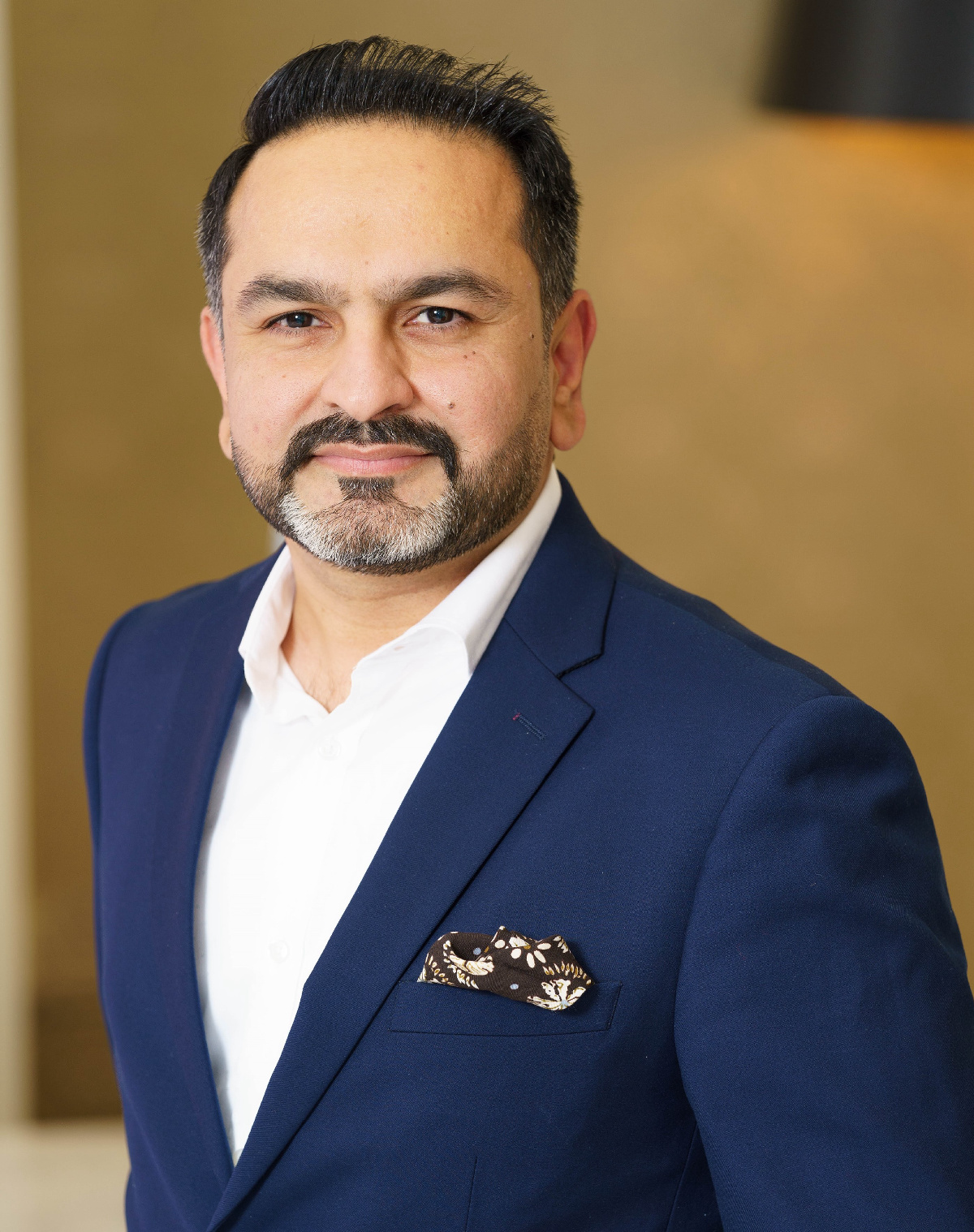
I spoke to Nauman Mian, the Chief Financial Officer of the MENA’s leading online jobs’ site: Bayt.com.
Labour Market Uncertainty
Long-term trends across the labour market are difficult to predict since some companies are mandating forced leave or temporary leave.
Leading U.S. tech firms, such as Snapchat, cut 1,000 UAE-based jobs (16% workforce) in recent weeks in a major reshuffle whilst several UAE hotels have closed for refurbishment.
Nauman Mian has seen previous cycles of labour market turbulence yet there was more predictability to it whereas this cycle has been the “most uncertain” in recent times.
No one knows if the market will go up or down, following the war, but there is “certainly activity in the market [from] a job seeker [and] jobs perspective,” according to the CFO.
The CFO highlighted that the activity is concentrated amongst job replacements, where people have left following the outbreak of the conflict on 28 February 2026.
Labour Market Dynamics
The dynamics of the labour market are changing.
All industries have been impacted, with some not coming back whilst others are coming back with(-out) families.
“All sectors” have been affected in some way or another, said the CFO.
Wage Differentials Long Term
Whilst forecasts can shift, UAE employers may have to shift their incentives to entice highly skilled and mobile labour to the Emirates depending on sector.
In the 2000s, firms typically gave ‘relocation allowances’ to entice foreign workers to join firms in Dubai.
In certain sectors, this may be resurface although the long-term fundamentals of the market haven’t changed whilst there is no shortage of labour supply in the market.
“There is no death of talent in the market, even right now, people still want to come to Dubai.”
The perception about the market and security has changed but for labour from Egypt, Pakistan, and South Asia; they don’t mind. Labour from the U.S. or Europe will think twice, seeking more information before making the move.
Market Cycles
Yet one thing about the labour market is that the market “forgets.”
In the UAE, especially, there are on “average 1,000 CVs for every job posting compared to 10-12 in Switzerland.” Job competition is very high in the UAE.
As an online platform, job seekers on the platform often filter to select candidates whereas you don’t need a filter in Switzerland. Since the GCC is an open region, one that is deeply connected, it is not a limited market.
Demand for jobs is strong and labour market cycles reinvent themselves, even when external shocks dent the image of a city or sector.
AI Usage in the Market
AI is also complicating labour market patterns.
AI always been used but it has only become a buzzword now, advancing in its adoption and therefore complexity by tech developers.
Claude is setting a new standard in the market, with ChatGBT users at the bottom of the pile of AI complexity. Claude is built to analyse big data sets, giving you charts, reports, and analysis whereas ChatGBT is more conversational. This convergence across AI is affecting labour market trends, with users switching from ChatGBT to Gemini and then Claude.
These transitions will come through generations with Alpha and Z coming in. “AI will become like a commodity at some point, which means there will be multiple offerings… you will have a Toyota, a Mercedes, BMW, a Lamborghini; you will have all those choices.”
UAE AI Integration
Two avenues are driving AI adoption: UAE government support and the age of UAE firms.
“Most of these firms are 10, to 15, or 20 years old… than 100 or 150 years old.” Whilst integration is a mindset, it’s also a legacy where legacy firms are often restrained with AI adoption because they carry a lot of legacy features.
Legacy features can often slow the pace of AI integration for firms.
Gig Economy & Remote Working
People will start looking at the future post-conflict with shifts in the labour market likely.
According to the CFO, “people will start looking at how they can change overhead costs… driving the gig economy and remote working.”
Whilst a lot of companies looked at this post-Covid, the conflict serves as another reason for them to push this a lot more.
Other countries like Spain and Italy have pushed for digital nomad visas post-Covid whilst the UAE started to roll-out digital nomad visas before the onset of the war (March 2021).
Profitability will dominate labour patterns in the coming years across FY26-27, putting costs front and centre of hiring patterns.
Government Stimuli
How the government manages the economy will be pivotal for Dubai post-war.
After Covid, Dubai was the “only place which was really open and people were just coming in.”
Expo 2020 came during the pandemic, making people aware of this “oasis in the middle of the desert.”
This will inevitably be the plan for the next boost to Dubai in the years to come.
Finding its place as an oasis in the desert will for sure come full circle depending on how the government wants to play it.
Stay Up to Date with the Latest Updates at Finance ME
“We Can’t Stand Still”: Alserkal SMEs Break Even