
Ownership is often mistaken for vanity. Art collecting, in particular, is frequently reduced to status, spectacle, or the logic of investment. While works of art can of course function as stores of value, appreciating over time as scarce assets, that reading is often incomplete.
For many collectors across the GCC, the motivations are far more intimate touching on identity, curiosity, and connection.
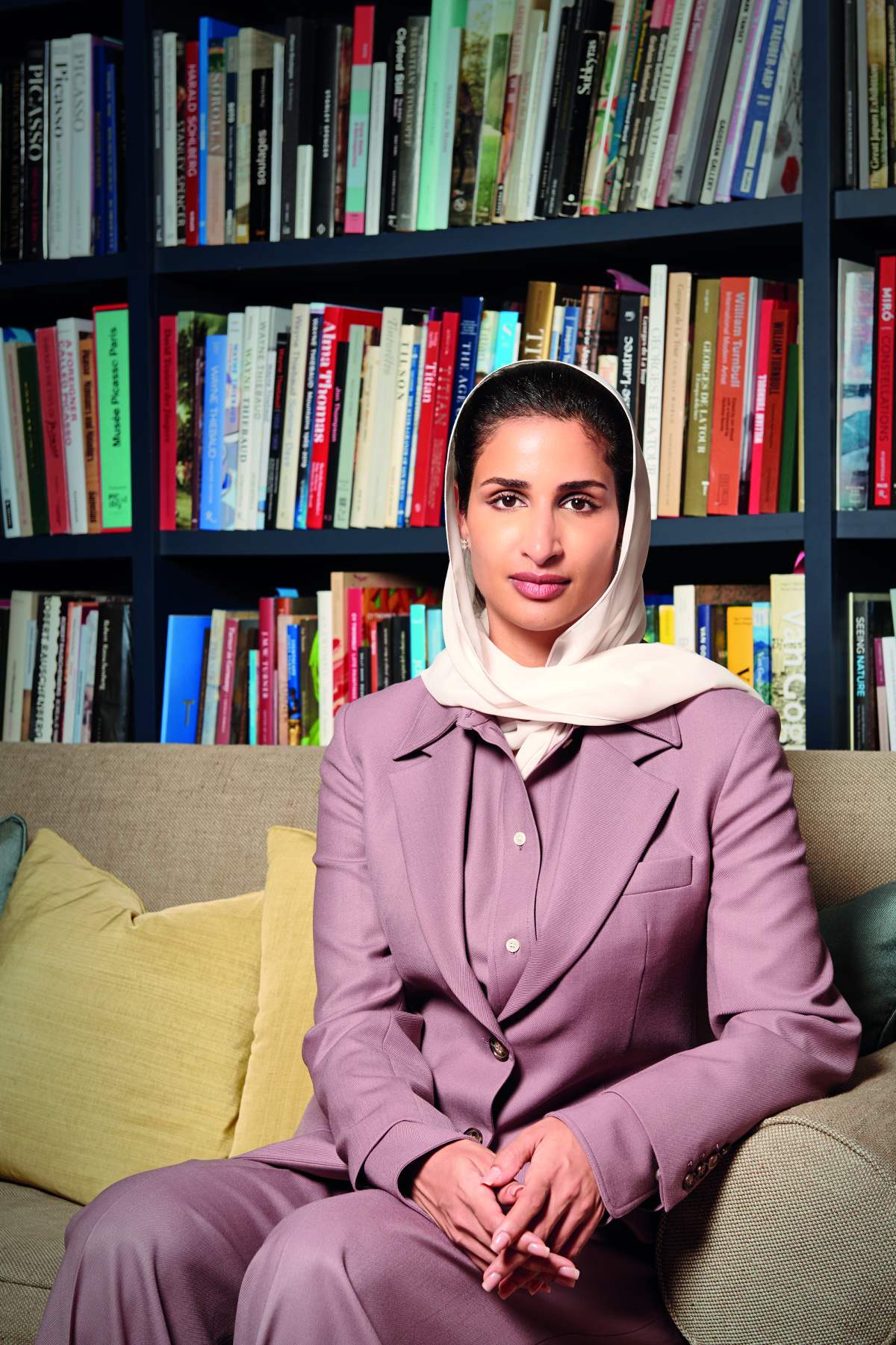
Ahead of Art Dubai, taking place this May, I spoke with Lateefa bin Hamoodah – Cultural Strategist, Patron, and Regional Advisor at Beaumont Nathan – about the instincts that continue to shape her acquisitions and why supporting culture can matter more than ownership itself.
What Guides Your Approach to Collecting?
“When it comes to collecting, my approach has always been very instinctive.
I collect across disciplines. Art, jewellery, and even archaeological objects during my time studying archaeology. I often joke that collectors are simply natural hoarders with taste.
It’s a personality trait. Some collectors are incredibly strategic, and I admire that deeply. I can be that way when advising others, but my own collection has always followed whatever chapter of life I’m in.
When I first began collecting, I was very young, and my collection reflected movement and travel. If I was in Hong Kong, Beirut, South Korea, or even Bhutan, I would acquire something there. Those works became markers of places, encounters, and experiences that shaped me. My early collection was global, spontaneous, and closely tied to discovery.”
There is a candour to Lateefa’s perspective that resists the usual language of acquisition. Rather than trophies, the works become timestamps: reminders of where she has been and who she was becoming.
How Your Collecting Evolved?
“In recent years, as I’ve become more deeply embedded in the local scene, my collecting has shifted. I spend time in studios, follow artists’ processes, and build relationships. That emotional connection often matters more to me than the object itself. It makes you want to live with the work.
There are also periods when I don’t collect at all and I’ve learned to embrace that. Your eye evolves; your taste evolves. Mine has increasingly moved toward conceptual and research-based practices. Sometimes, instead of acquiring, I support production, installation, or research.”
Lateefa Bin Hamoodah: “I become part of the work without owning it.”
It is perhaps the most telling distinction of all: that patronage can be as meaningful as possession and participation more valuable than the transaction itself.
Supporting Local Over Ego
“I think that distinction is important. Collecting can easily become ego-driven, the constant emphasis on acquisition. I try to balance that by supporting institutions, programs, and museum exhibitions. For me, that contribution is just as meaningful as bringing a work into my home.
Ultimately, my collection is personal and emotional, grounded in relationships. And my engagement with culture extends beyond collecting. It’s about contributing to the ecosystem that allows artists and ideas to exist, grow, and circulate.”
In an era where collecting is so often measured by asset value, Lateefa reminds us that collecting can be subtle. Sometimes true cultural capital lies not in ownership, but in stewardship.
Stay Up to Date with the Latest Updates at Finance ME
“We Can’t Stand Still”: Alserkal SMEs Break Even