
Over the past decade, technology entrepreneurs have emerged as the driving force behind wealth creation among billionaires, reflecting their transformative impact on the global economy. According to the UBS Billionaire Ambitions Report 2024, tech billionaires’ combined wealth has grown at the fastest rate of any sector, tripling from $788.9 billion in 2015 to $2.4 trillion in 2024.
In the early part of the decade, tech billionaires built their fortunes through ventures in e-commerce, social media and digital payments. More recently, they have led advancements in generative AI, cybersecurity, fintech, 3D printing and robotics, which have fueled economic growth and enhanced technological capabilities globally. Companies specialising in these areas have scaled rapidly, generating substantial returns for founders and investors alike.
“It’s fair to say that the past decade has seen significant shifts in billionaire wealth distribution,” said Benjamin Cavalli, Head of Strategic Clients, UBS Global Wealth Management. “Tech entrepreneurs have played a steadily increasing role here across the global economy, and that sort of resulted in tech billionaires wealth growing the fastest of any sector, literally tripling from $789 billion in 2015 to a staggering $2.4 trillion in 2024 then industrial or industrials, billionaires have also increased their wealth by the second largest amount, followed by material sectors billionaires.”
From 2015 to 2024, the wealth of the world’s billionaires increased by 121%, rising from $6.3 trillion to $14.0 trillion. During this period, the number of billionaires grew from 1,757 to 2,682. Billionaires outperformed global equity markets, as reflected by the MSCI AC World Index’s 73% gain over the same timeframe. The report highlights that billionaire wealth peaked in 2021 at $13.4 trillion and has since plateaued, with growth slowing to 1% annually after 2020. This slowdown coincides with regulatory pressures in China and economic uncertainties globally.
Industrials billionaires
While technology leads in wealth growth, industrials billionaires have also seen their fortunes rise significantly, from $480.4 billion in 2015 to $1.3 trillion in 2024. This growth has been driven by industrial policy interventions and investments aimed at enhancing national competitiveness. Key areas of focus include aerospace, defence and electric vehicles, which have benefited from a broader shift toward green technologies and reshoring efforts.
Governments worldwide have implemented policies to support industries that align with sustainability goals and address demographic challenges. These measures have created favourable conditions for industrial businesses to thrive, allowing their founders and owners to achieve substantial wealth gains.
Real estate sector
In contrast to the robust growth seen in technology and industrials, real estate billionaires have lagged behind other sectors. From 2017 onward, their wealth growth slowed due to a combination of factors, including China’s property market correction, disruptions caused by the Covid-19 pandemic in commercial real estate and rising interest rates in the US and Europe. While real estate remains a significant contributor to billionaire wealth, its performance has not kept pace with other sectors, reflecting broader challenges in the global property market.
Regional wealth trends
Regional differences have shaped billionaire wealth trends over the past decade. The US remains the dominant centre for billionaire wealth creation, with North American billionaires’ wealth growing from $2.5 trillion in 2015 to $6.1 trillion in 2024. The increase reflects sustained economic growth and leadership in technology and industrial innovation.
In Western Europe, billionaire wealth rose from $1.5 trillion in 2015 to $2.7 trillion in 2024, with technology billionaires leading gains in areas such as software, messaging, and streaming services. Meanwhile, in Asia-Pacific, India emerged as a standout market. Indian billionaires’ wealth grew by 42.1% between 2020 and 2024, reaching $905.6 billion. In contrast, China’s billionaire wealth declined by 16% to $1.8 trillion during the same period due to regulatory tightening and a slower economic growth trajectory.
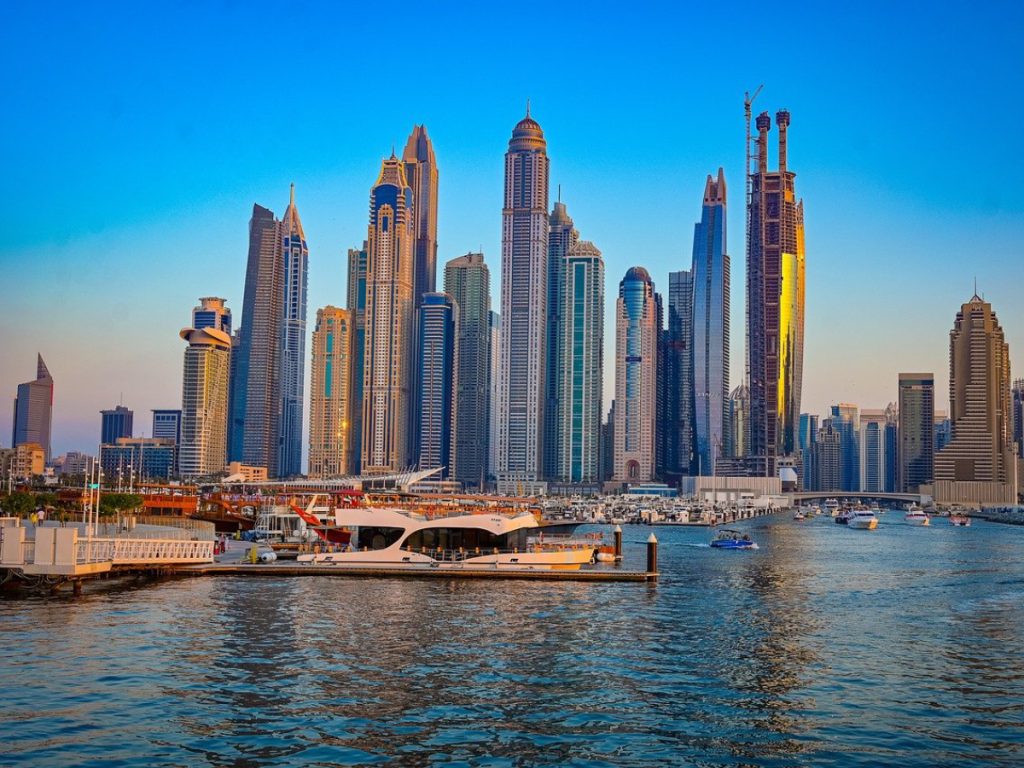
The report reveals an increase in cross-border relocations among billionaires. Since 2020, 176 billionaires, representing $400 billion in wealth, have moved countries, often seeking jurisdictions with favourable legal, political and economic environments. Popular destinations include Switzerland, the UAE, Singapore and the United States. This mobility highlights the strategic considerations billionaires make in managing their wealth and securing their family interests.
Investment preferences and risks
Billionaires’ investment strategies have evolved in response to shifting economic conditions. Over the next 12 months, 43% of billionaires intend to increase exposure to real estate, while 42% plan to expand their investments in developed market equities. A significant portion is also increasing allocations to perceived safe havens such as gold (40%) and cash (31%), reflecting concerns about geopolitical risks and market volatility.
At the same time, interest in alternative assets remains robust. 38% of respondents favour direct private equity investments, while infrastructure and private debt are also gaining traction. Hedge funds, however, have seen declining popularity, with 27% planning to reduce their investments in this area.
Future outlook
The next decade presents both challenges and opportunities for billionaires. The report highlights two key industries expected to drive future wealth creation: generative AI and renewable energy. These sectors are poised to reshape the economic landscape, and billionaire entrepreneurs are likely to play a central role in their development.
Family wealth planning will also evolve to address the complexities of managing global, multi-generational wealth. The focus will be on creating adaptable and transparent structures that support long-term growth and continuity.