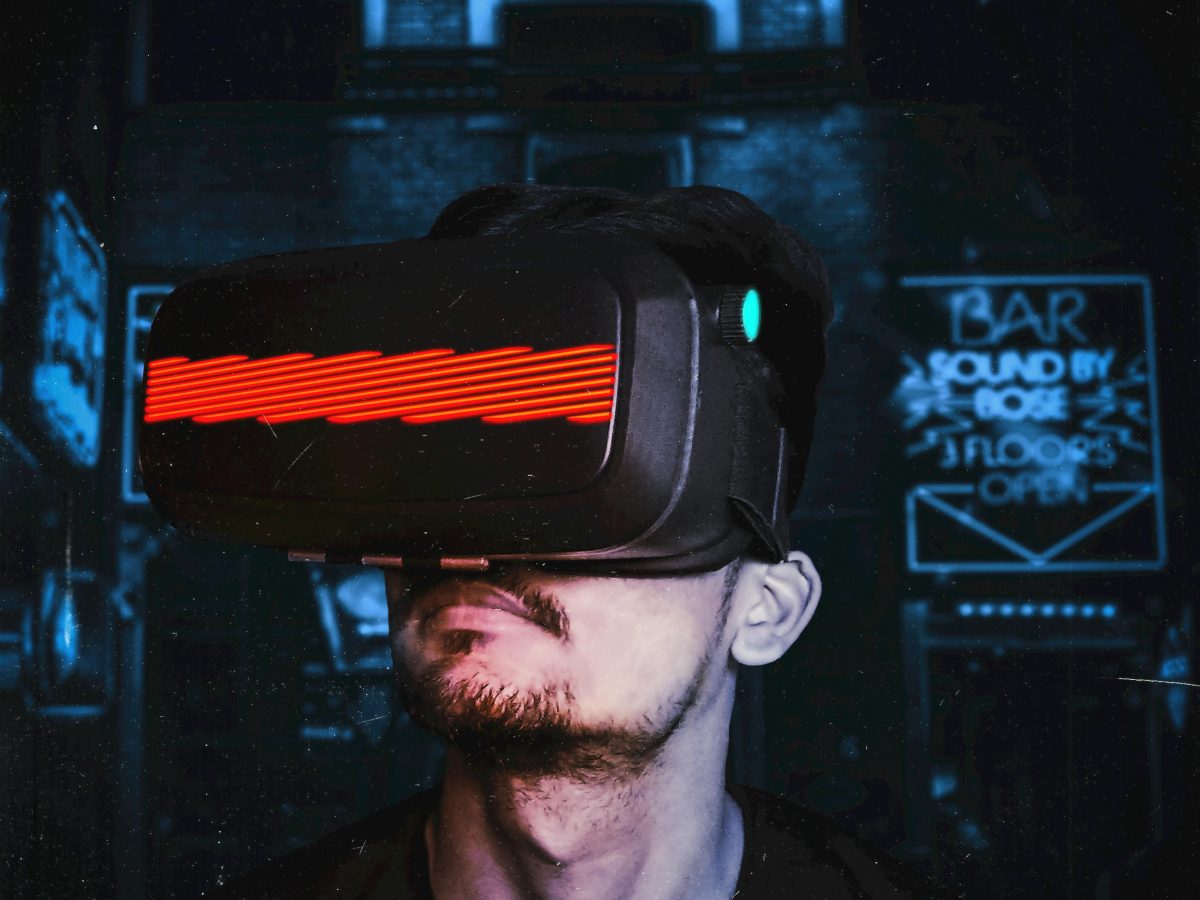
As the gaming industry continues to evolve, the integration of blockchain technology is set to redefine the landscape, providing new opportunities for player engagement, asset ownership, and economic models. Despite slow initial adoption, more companies and industry leaders are recognising the potential benefits of the technology, and 70% of the world’s top video game studios are already investing in Web3 gaming.
Addressing industry challenges
This shift is partly driven by the new challenges the traditional gaming industry faces. Global video game market revenue is rising and is expected to reach 666.69 billion U.S. dollars by 2029, a new peak for the industry. However, margins are under pressure. The volume of available games has diluted player engagement and reduced lifetime value (LTV).
Meanwhile, recent privacy policies from tech giants like Google and Apple have increased the cost per acquisition (CPA), limiting the effectiveness of targeted advertising. This has led to a growing need for innovative approaches to sustain player interest and profitability.
Blockchain technology offers a unique solution to these issues by providing a decentralised gaming platform. It allows the creation of unique digital assets, which players can own, trade, or sell. This introduces a new layer of economic interaction that extends beyond traditional gameplay, fostering deeper engagement and community building. By allowing players to own their in-game assets truly, blockchain games can increase the perceived value of these assets and, by extension, the game itself. This shift towards player ownership can reduce churn rates and increase overall player lifetime value.
Emerging potential in blockchain gaming
The concept of true asset ownership in games is more than just theoretical. Companies like Games for a Living (GFAL) are already implementing these ideas. GFAL’s use of the $GFAL token demonstrates how blockchain can be integrated into gaming to offer a unified digital currency and governance tool. The $GFAL token facilitates transactions within games, rewards players for their participation, and allows them to vote on important platform decisions. This empowers players and creates a more dynamic and interactive gaming experience.
The first results of the rollout of the ownership feature into Elemental Raiders, GFAL’s first game, highlight the model’s viability. The game recently incorporated new ownership features, which allow players to trade in the GFAL marketplace. In just three weeks, the revenue generated by the game increased by 25% – with only around 20% of the planned ownership features implemented so far. It’s still early, but the data is very promising, suggesting that the new business model can potentially surpass the performance figures of traditional free-to-play models, which rely heavily on microtransactions and advertising.
GFAL is also working on a new match-3 jewelry-themed game, “Diamond Dreams,” to bring blockchain gaming to a broader audience through appealing gameplay and stunningly realistic graphics. It’s a significant endeavour. The mass adoption of blockchain gaming so far has eluded all attempts, so “Diamond Dreams” could serve as a litmus test for the industry, demonstrating whether blockchain gaming can appeal to a wider demographic beyond the niche crypto enthusiast community.
Strategic expansion and leadership impact
To support its growth and leverage emerging market trends, GFAL has started operations in the United Arab Emirates (UAE). In recent years, the UAE government has been actively encouraging the development of blockchain and digital currencies, so the move to the region reflects GFAL’s ambition to position itself as a leader in the global blockchain gaming industry.
GFAL’s move also underscores the company’s commitment to the MENA region. GFAL CEO Manel Sort, an industry leader and expert in gaming business models, believes it has enormous potential for the gaming industry. The involvement of Trip Hawkins, the founder of Electronic Arts and Chief Strategy Officer at GFAL, adds further weight to the company’s plans. Hawkins brings a wealth of experience and a strong network, which can attract further investment and attention to the region.

Integrating blockchain technology into gaming represents a potential paradigm shift in how games are developed, monetised, and experienced. As companies like GFAL continue to explore and expand these technologies, they pave the way for a new era of gaming where players have more control and investment in their experiences. This shift could help the gaming industry by creating more sustainable and engaging business models.
Understanding these dynamics is crucial for investors and industry stakeholders. The rise of blockchain gaming presents significant growth opportunities but comes with risks. The regulatory landscape for blockchain technology is still evolving, and the market is highly volatile. However, the potential rewards for early adopters and innovators in this space are substantial.
As the boundaries between traditional and blockchain gaming continue to blur, the industry stands on the cusp of a transformative period. The next few years will be critical in determining whether blockchain gaming can achieve mainstream adoption and how it will coexist with traditional gaming models. The journey is just beginning and promises to be an exciting ride for gamers, developers, and investors alike.