NFTs hit their peak in 2021—Or did they?
In 2021, non-fungible tokens (NFTs), became a worldwide phenomenon, as digital artists and investors preached a future based on digital ownership and collectables. This was the year that digital artist PAK sold The Merge NFT collection for $91.8 million, breaking the record for the largest-ever art sale set by Beeple’s Everydays: The First 5000 Days, which sold for $69.3 million a few months prior.
Shortly after, the NFT market experienced a dramatic crash. The volume of NFT sales dropped 83% in 2022, leaving 95% of NFT investors with “worthless” tokens, according to market analysts at NonFungible and dappGambl. Nonetheless, the sector has remained resilient in the Middle East.
Investors in the region are still interested in digital art and NFTs—and many think that their value will survive market volatility in the long run.
A new form of art
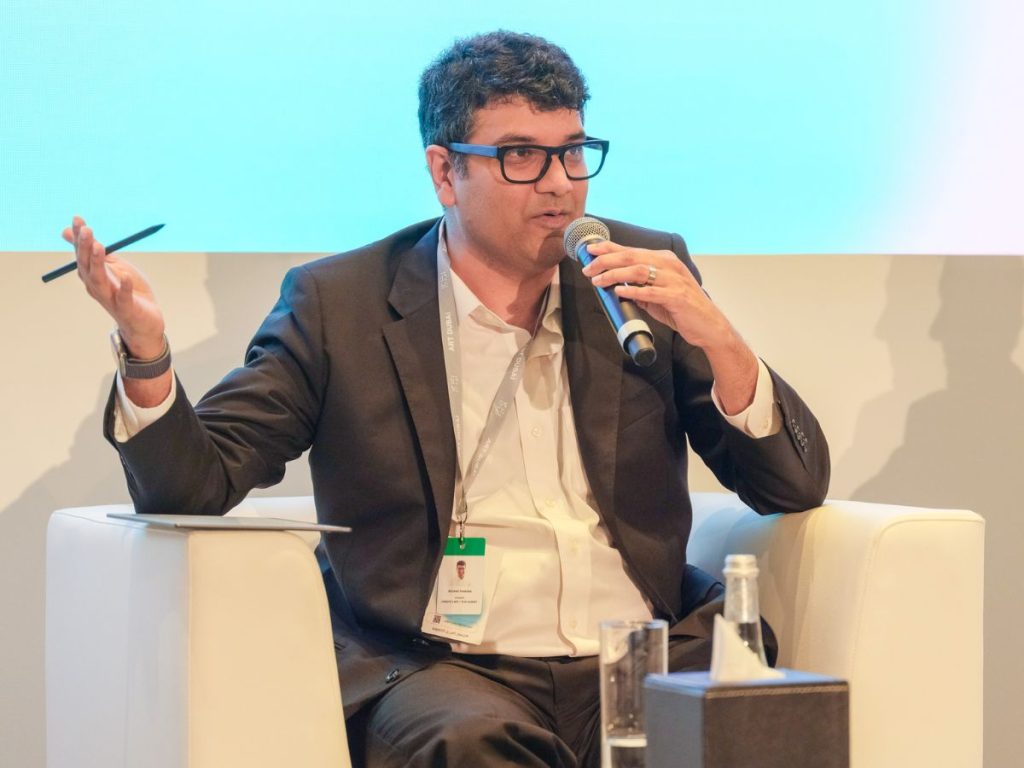
Digital art is different from art on the blockchain. The former dates back to the 1960s, with pioneers such as Palestine’s Samia Halaby exploring the relationship between art and technology. For the next generation, digitally native, “it’s not digital art; it’s just art,” Devang Thakkar, Head of Christie’s Ventures, told Finance Middle East.
“It’s not digital art; it’s just art”
Devang Thakkar
In contrast, NFTs are linked to the rise of the blockchain and the Web3 ecosystems and provide a new way for collectors to store, monitor and sell artworks.
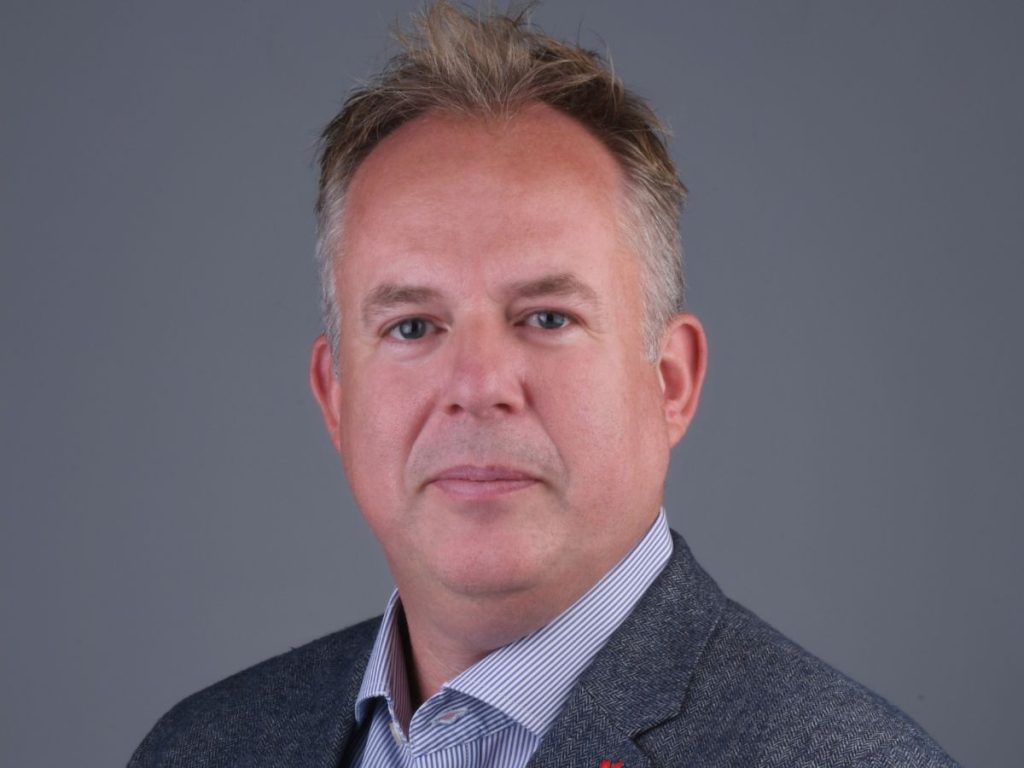
“The digital art market—driven by blockchain technology and NFTs—has the potential to revolutionise the art world,” added Paul Turner, Executive Director at Capex.com Middle East. “It offers new opportunities for artists, collectors and investors, such as increased transparency, fractional ownership, and global reach through online platforms.”
Remembering a 2021 NFT exhibition, Nikki Meftah, Co-Founder of Emergeast, recalls “the readiness collectors of all levels were to acquire art on the blockchain”. That same year, Emergeast became the first online art gallery to host an NFT exhibition in the Middle East, featuring digital artwork from MENA-based artists.
In her view, NFTs have not changed the nature of art. Instead, technology has “reshaped people’s perception of how art can be consumed, purchased and stored”, providing “a new way to interpret, digest and display art.”
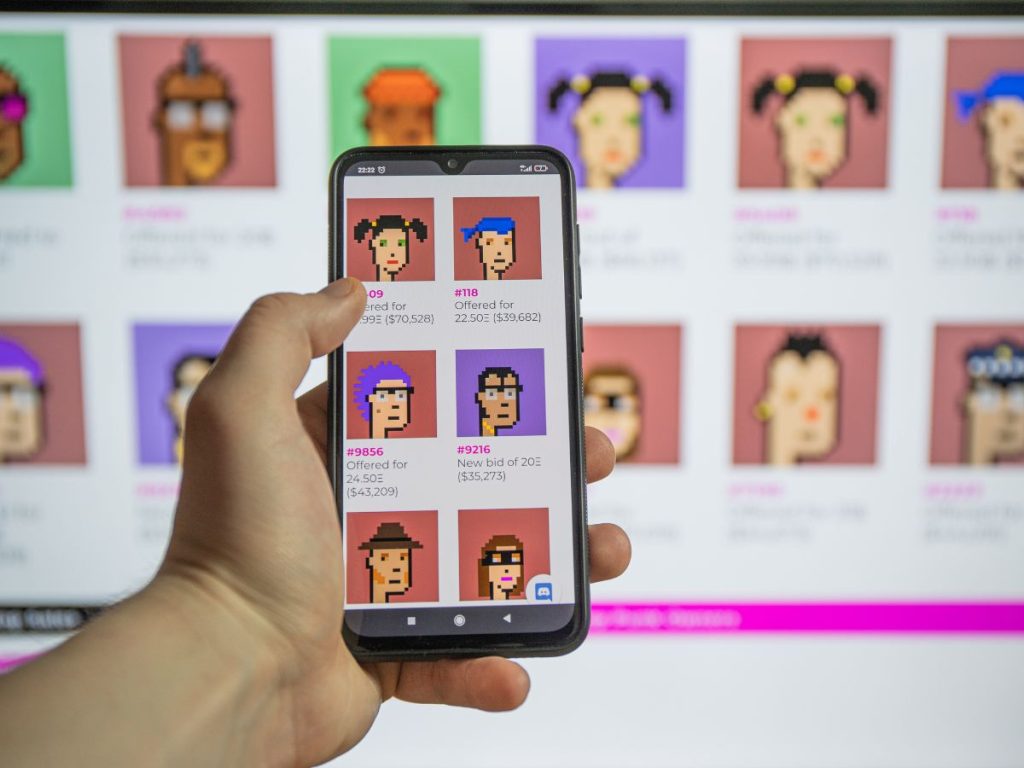
Both Turner and Meftah believe that NFTs are here to stay. Moreover, although the former admitted that interest in the sector has “cooled off” and the market has experienced significant fluctuations, he stresses this is neither surprising nor concerning.
“This reduction in hype is typical after a market boom and subsequent normalisation,” Turner said. “The future of NFTs is likely to be less about hype and more about their utility and integration into various industries, which may lead to a more sustainable and steady growth in the market.”
Digital art in the Middle East
The Middle East art scene has welcomed digital art and NFTs. Over the past three years, galleries, collectors and artists alike have recognised the transformative power inherent in this medium and continued to promote it, far beyond the 2022 spike.
“The Middle East art scene is not merely witnessing but actively embracing the digital revolution in art and NFTs,” explained Zina Ashour, Founder of Women in Crypto Arabia. “The merging of art, technology and investment opportunities is reshaping the future of the art market in the Middle East, ushering in an era of unprecedented innovation and accessibility.”
Although the market is nowhere near its 2021 highs, the NFT industry in the Middle East is expected to grow by approximately 45.5% annually, with a compounded annual growth rate of 32.1% from 2022 to 2028, according to Crypto Oasis. Events like Art Dubai are reflecting this growth, incorporating digital works and NFTs into their offerings. This was the setting chosen for the Art+Tech Summit, hosted by Christie’s in 2023, where innovators, artists and collectors discussed web3, AI and blockchain. Grassroots projects like Morrow Collective and Dubai’s Mondoir Gallery are other examples of the region’s interest in the sector.
“There is broad interest from Middle East investors, with Dubai leading the way with innovative frameworks,” Thakkar said. His colleague, Meagan Kelly Horsman, Managing Director at Christie’s Middle East, agreed.
“There are collectors from the Middle East and the diaspora who are interested in collecting digital art—whether that be digitally-created physical art or NFTs,” she added. “Dubai is also leading the way as a regional art hub within the Middle East with the opening of new galleries and frameworks that make collecting new media art more accessible.”
Who is investing in NFTs?
The decentralised nature of NFTs and their ties with blockchain and technology have facilitated the arrival of new investor profiles in the art scene. These new—usually younger—faces are attracted to the digital scarcity, transparent ownership records and smart contracts characteristic of NFTs. They are comfortable with a higher level of risk, being aware of the volatile and ever-changing nature of the market.
“NFT investors value scarcity and rarity,” said Ashour. “Middle East investors, in particular, exhibit a more adventurous spirit, with 83% having invested in fractional art. Unlike traditional investors, Middle East investors appreciate the versatility of NFTs and their potential for innovation.”
“Middle East investors appreciate the versatility of NFTs and their potential for innovation”
Zina Ashour
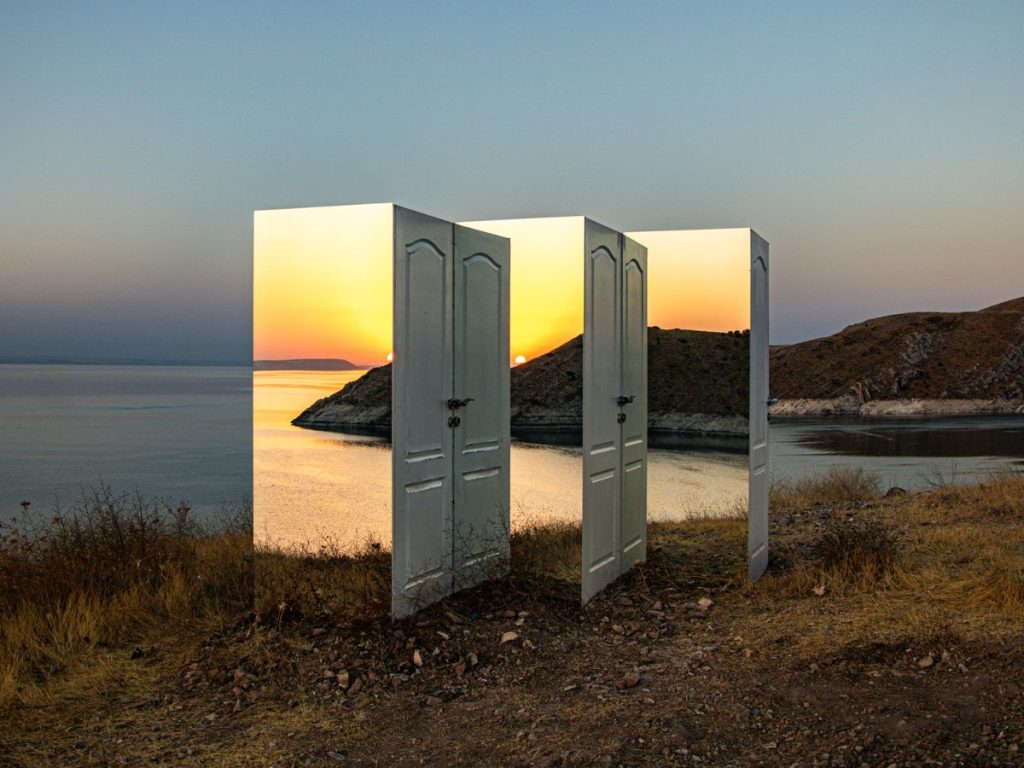
Traditional art investors typically engage with physical artworks such as paintings, sculptures and prints, prioritising authentication and physical ownership. At least, most of them do. Horsman, for instance, recalls recently meeting a couple that had been collecting video work for decades, who “naturally moved into the digital space” drawn to its technological advances.
Meftah has seen a similar transition, “We found that it was more the traditional art collectors that were interested in entering the web3 space to diversify their collection’s media profile,” she explained.
The rise of NFTs is not only pulling traditional art investors towards blockchain but also exposing a younger generation of crypto enthusiasts to the traditional art market. “Suddenly we are seeing a big surge in crypto investors who are curious about artists they come across on the blockchain—resonating with the artists’ themes and creative dialogue,” Meftah said.
The right NFTs
The NFT market is extremely volatile. Yet, experts have stressed that the same principles that guide investors interested in buying traditional art are those that NFT buyers should abide by.
“Investors should conduct thorough research, focusing on artists with a solid reputation and a consistent body of work,” Turner said. “Understanding the nuances of the NFT market is crucial, including the evaluation of an item’s rarity, provenance and historical sales data.”
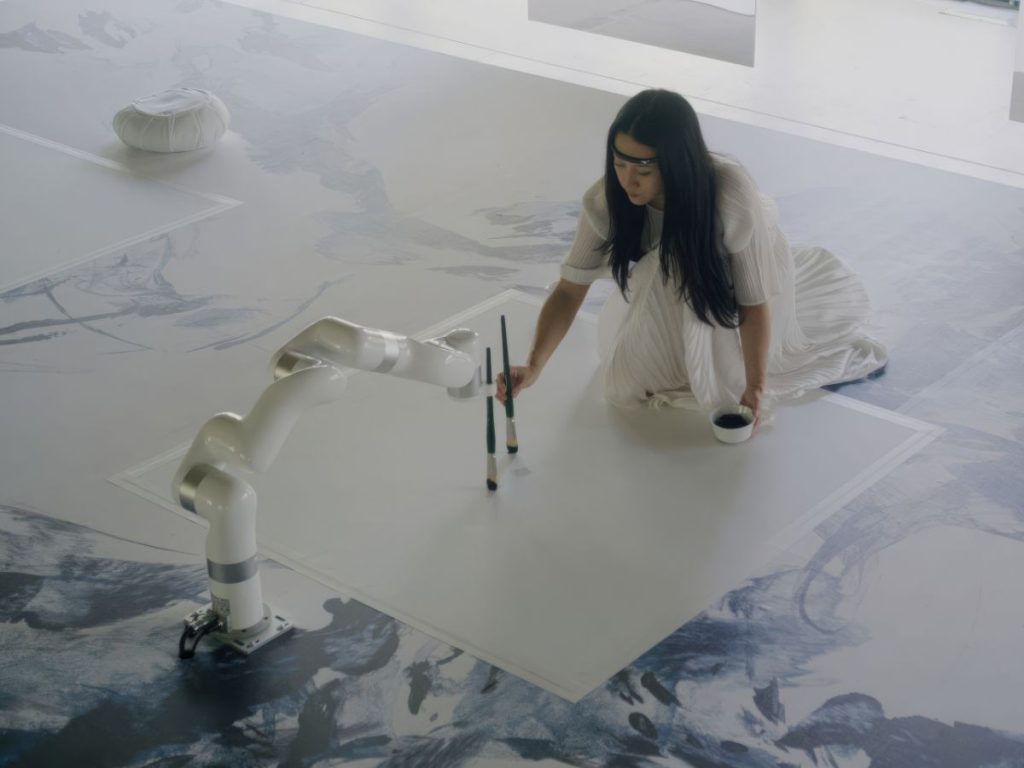
Considering the long-term value of digital art is important, as factors such as scarcity, artist reputation and cultural significance can contribute to its appreciation over time. Artists such as Refic Anadol, Jen Stark and Krista Kim have already received widespread recognition, but they’re not the only ones. Moreover, NFTs offer a sturdy framework with which to record and follow an artist’s provenance through its secondary market, in addition to more transparent real-time valuations.
“Investors should approach investing in NFTs and digital art with the mindset of making a sound investment decision,” added Ashour. “By adopting a strategic and discerning approach, investors can mitigate risks and maximise their chances of success.”
Will digital art hold value long-term?
Art has traditionally been attractive to investors because it holds value over time. In the case of NFTs, the jury’s still out. Among investors, the mood is still one of cautious optimism.
“While some digital artworks have sold for significant sums and may appreciate over time, the overall market has yet to establish a consistent track record comparable to traditional art,” Turner said. “The trajectory suggests gradual growth with increased stability and a richer, more diverse ecosystem.”
The digital art market is expected to continue evolving. Revenues have been projected to reach $2.4 billion in 2024, with technologies like blockchain and AI set to enhance the creation and distribution of art. In addition, the NFT market faces challenges including cryptocurrency volatility, environmental concerns and intellectual property issues. Nonetheless, greater acceptance and use in traditional art circles, further regulatory clarity and the rise of green cryptocurrencies could address these concerns.
“The [NFT] hype may have quieted down but it was just making space for a correction”
Nikki Meftah
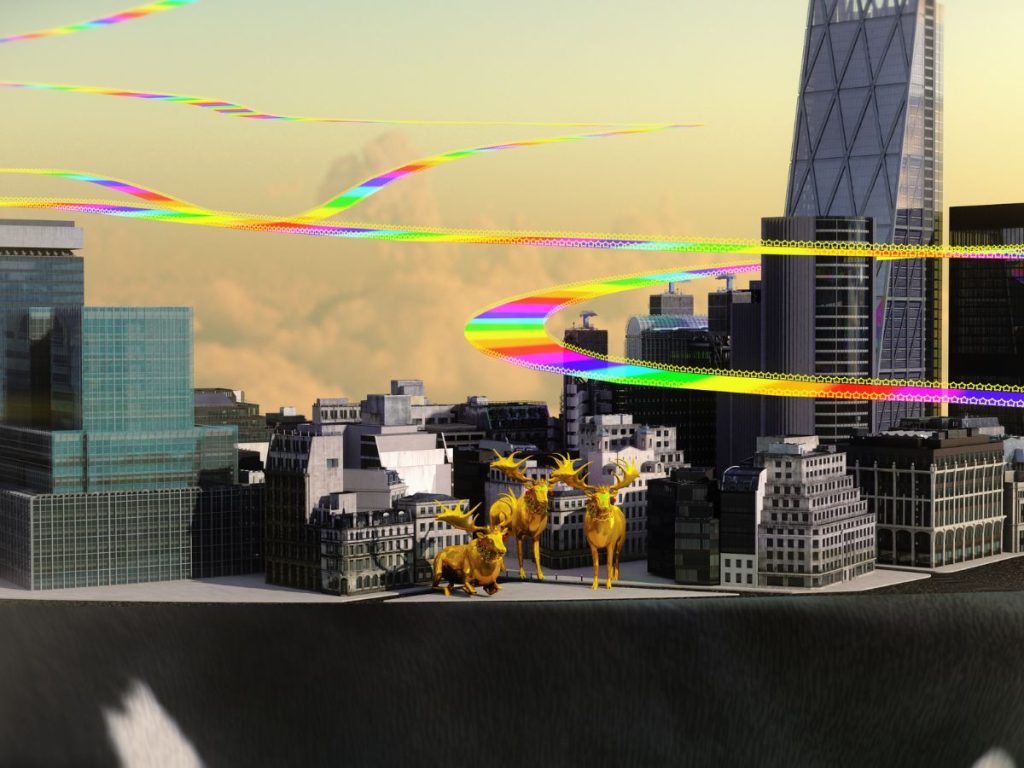
For Meftah this is just the beginning. “The [NFT] hype may have quieted down but it was just making space for a correction, with users merely getting to grips with its existence as a permanent feature to our digital lives and not a passing trend,” she said. “The outlook and support for digital artists will be back on track very soon, if not already!”
More so than with other markets, volatility is a key component of the NFT art world. Yet, the sector appears to be thriving in the Middle East, where artists, curators and investors are redefining their relationship with art through the latest technologies. Despite the reticence of investors towards NFTs, the region’s art scene seems certain of their success.