Dubai’s vision for digital assets marks the jurisdiction as unique. The region is singular in its conviction that digital assets are not only the future of financial assets, but that the technology will permeate and significantly influence all sectors and industries.
This belief underpins the deliberate and considered approach the rulers of the region are taking towards creating the right conditions, regulatory frameworks and infrastructure to foster this technology. This is no accident, of course. Digital assets play a significant role in Dubai’s vision for the economy’s future and efforts for diversification. The D33 plan, which outlines the emirates’ goals by 2033, shows that digital transformation projects are expected to contribute Dh100 billion annually.
First after first
In mid-October, the Central Bank of the United Arab Emirates granted in-principle approval to AED Stablecoin to become the first licensed, fiat-backed token pegged to the dirham. The nod from the central bank represents a significant milestone and it could boost stablecoin adoption across the region, especially as these tokens play a growing role in cross-border transactions and corporate payments.
The first dirham-pegged stablecoin comes hot on the heels of the UAE’s decision to exempt digital asset transfers and conversions from value added tax (VAT). The exemption has been backdated to 2018, translating into potentially significant refunds for companies and individuals.
Retroactively implementing the exemption to 2018 and refunding significant VAT amounts is more than a marketing move. This will encourage top digital asset companies to establish themselves in the UAE, fostering innovation and signalling to other jurisdictions the importance of proactive crypto regulations.
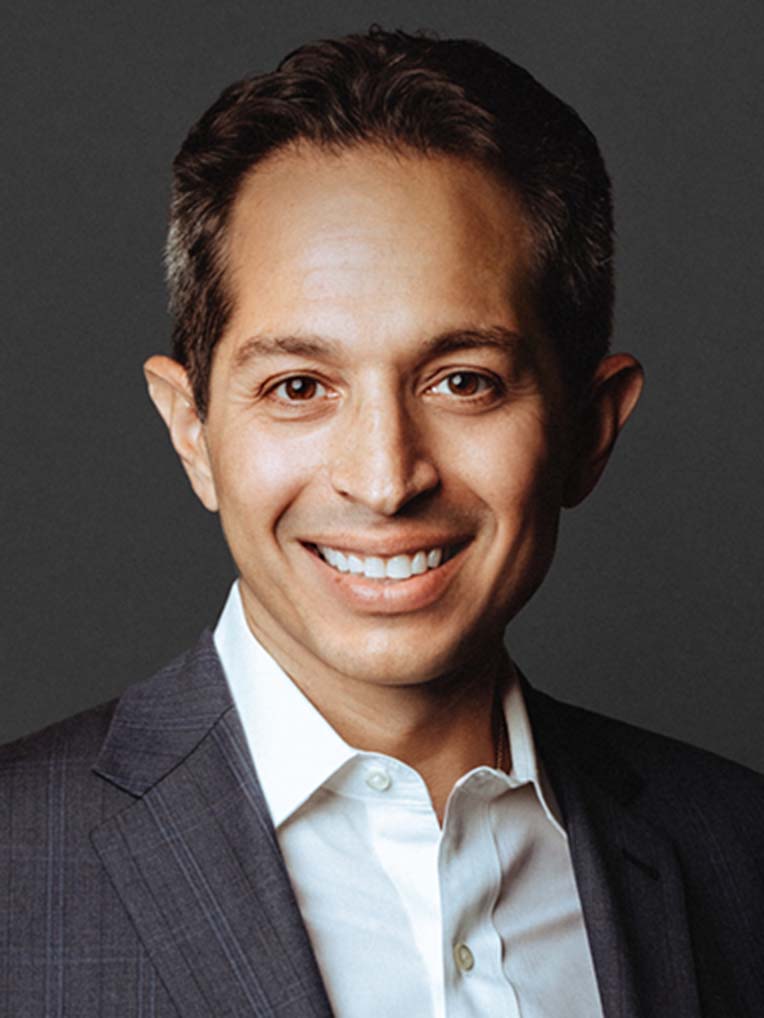
“Digital assets play a significant role in Dubai’s vision for the economy’s future and efforts for diversification.”
Adam Levine, SVP of Corporate Development & Partnerships, Fireblocks.
Laying the foundations
The recent rush of firsts comes after an unprecedented regulatory build-out that saw the establishment and subsequent scaling of the world’s first rulemaker dedicated to digital assets, the Virtual Assets Regulatory Authority (VARA) since its establishment in 2022.
VARA’s framework for Virtual Asset Service Providers (VASPs) laid the foundations for the influx of digital asset specialists into Dubai, with 22 registered entities already listed on its public register. Last month, VARA and the UAE’s Securities and Commodities Council jointly announced the creation of a new supervisory framework for digital assets, which will allow VASPs greater flexibility when offering services across the UAE.
The priority and resources dedicated to digital assets reflect Dubai’s ambitions to cement the emirates’ role as a global leader. Meanwhile, the UAE Council for Artificial Intelligence and Blockchain supports these ambitions by fostering collaboration between public and private sector actors to contribute to the research and development of new technologies, including AI and machine learning.
It’s important to appreciate the scale of these ambitions: the Dubai Metaverse Strategy alone aims to create 40,000 virtual jobs over the next five years and add $4 billion to the economy, according to VARA.
Open for business
Regulatory clarity is translating into activity from the private sector. Large, global exchanges such as Binance, OKX and crypto.com have all secured licenses to operate in the jurisdiction and Fireblocks has seen a significant uptick in demand from companies in the UAE region. These activities range from experimenting with stablecoins for corporate treasury functions such as payments as well as a growing role for digital assets in supply chain management. Custody services are also in high demand as the region emerges as a significant crypto economy.
A recent report from analytics company Chainalysis noted that decentralised finance is growing faster than the global average in the region, due to the “proactive and collaborative” regulatory stance, which has “attracted a diverse range of users, and solidified the UAE as a hub for DeFi and broader crypto activity.” Stablecoin adoption is also thriving.
The rapid development of Dubai as a global hub for digital assets is forcing the regulator to take action against those that don’t follow the new rules. In early October, seven companies were served with a cease and desist order due to failing to comply with requirements. But so far enforcement action has been few and far between, marking the radically different approach from the UAE towards digital assets than the rest of the world. Rather than regulating by enforcement, rulemakers in the region are making it clear what’s acceptable and they’re setting clear expectations for market participants about the standards they have to hit to operate.
This makes the message from Dubai clear: we’re open for genuine business.