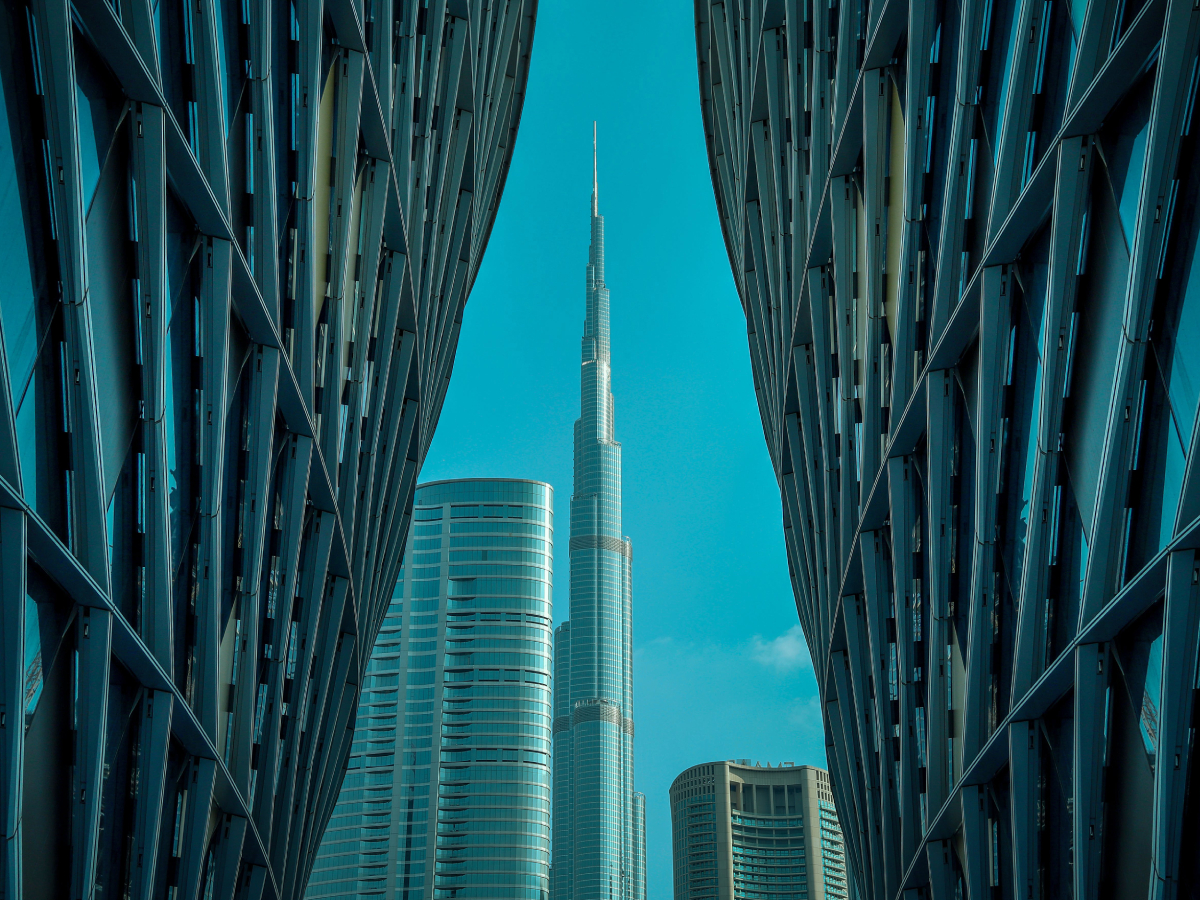
Dubai’s Downtown area is witnessing a surge in demand for luxury homes, notably reflected in the strong sales of apartments within the iconic Burj Khalifa, the world’s tallest building.
In 2022 alone, the Burj Khalifa recorded 94 apartment sales, totalling over Dh477 million. These sales contributed to 3% of all transactions in Downtown, which collectively amounted to Dh15.6 billion.
The upscale neighbourhood of Downtown Dubai ranks third in terms of property value growth in the city, with apartments experiencing an average price increase of 16.7% in 2022. This growth trails behind Palm Jumeirah (17.3%) and Dubai Hills (19%).
Since its inauguration 13 years ago, the Burj Khalifa has accounted for Dh7.9 billion in home sales, constituting 7% of Downtown’s total property value and 0.25% of all properties sold in Dubai since 2010.
Prime areas in Dubai
Analysis indicates a significant surge in apartment prices within Downtown, rising by 27.6% since the onset of the pandemic. This makes it the second-best performing submarket in Dubai, following Palm Jumeirah with a 36.6% increase. Completed high-end communities continue to attract keen interest from second-home buyers and investors looking for lucrative rental yields, currently standing at approximately 6%.
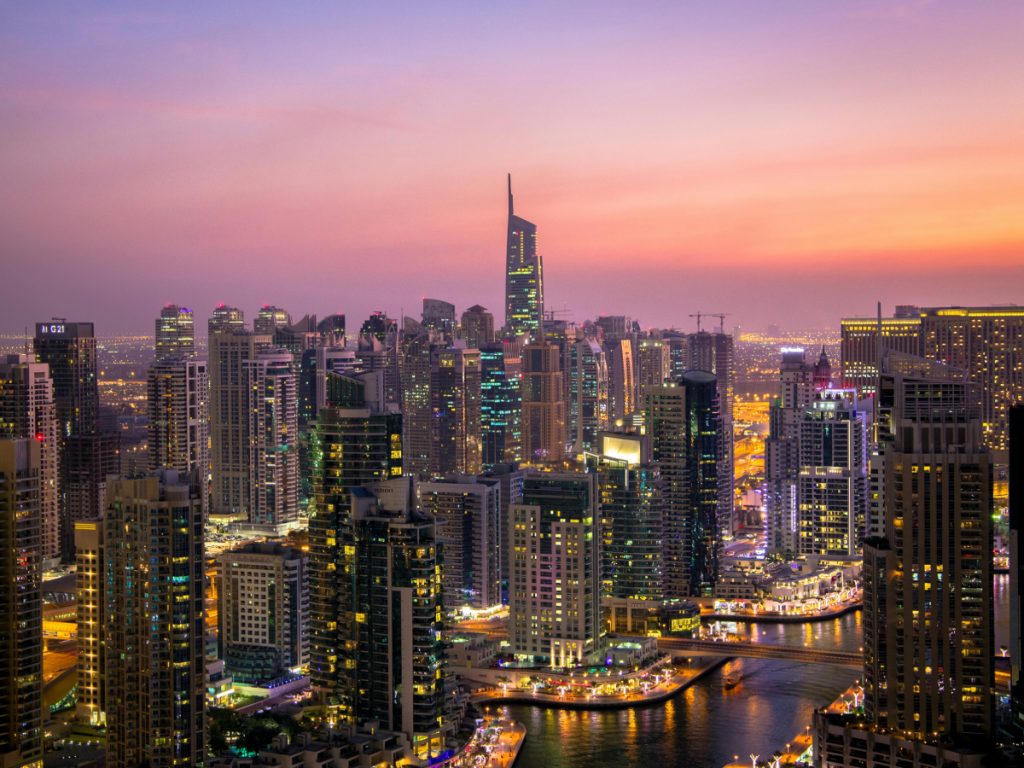
While prime residential values in Dubai have experienced remarkable growth in 2022, the city remains relatively affordable compared to other global luxury housing markets. Despite recording substantial price increases, the average price for prime residential property in Dubai stands at around Dh3,200 per square foot (approximately $ 850 per square foot).
Knight Frank’s 2023 global prime residential markets forecast ranks Dubai at the forefront with a projected growth rate of 13.5%, following a staggering 50% rise in prime residential prices in 2022. However, the city’s residential market remains comparatively affordable, with Downtown apartments averaging around six times annual household incomes.
The market analysis highlights Dubai’s residential market resilience despite challenging global economic indicators. However, potential risks, including global economic uncertainties, rising mortgage rates, and currency fluctuations, are being monitored closely. The shortage of luxury housing in development remains a key factor influencing the prime property market outlook.