Dubai has rolled out an ambitious plan aimed at transforming its sports sector, targeting a $5 billion economic impact by 2033. The initiative, known as the Dubai Sports Sector Strategic Plan 2033, aims to increase active sports participation from 1.6 million to 2.6 million residents, and more than double the attendance at major sports events to 4.1 million annually.
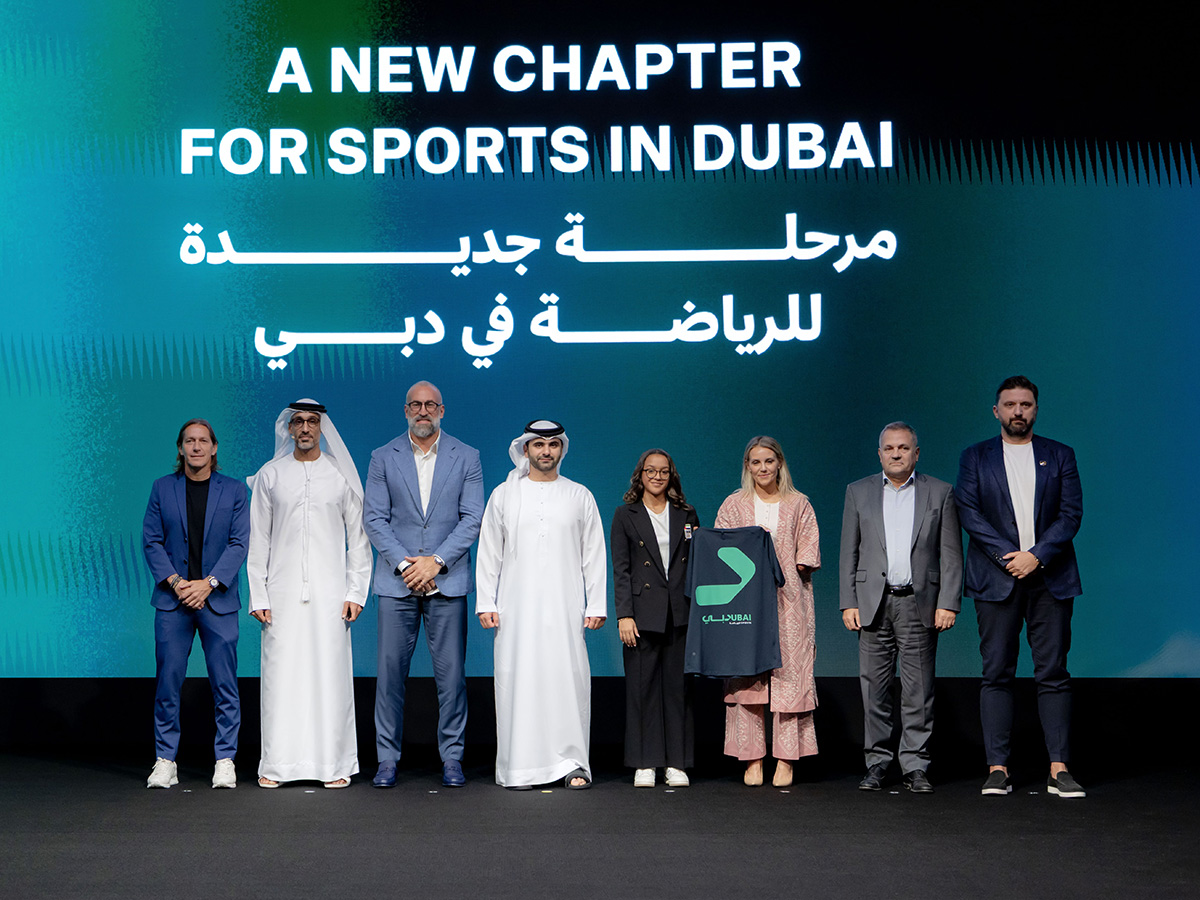
Launched by His Highness Sheikh Mansoor bin Mohammed bin Rashid Al Maktoum, Chairman of the Dubai Sports Council (DSC), the plan was introduced at an event with key stakeholders including international athletes and sports industry partners. A new sports identity for the emirate was also revealed.
Th plan is structured on four strategic pillars: Community, Events, Clubs and Talent. These pillars define the 19 programmes and 75 initiatives set within the strategic framework. Goals include doubling the GDP contribution of Dubai’s sports sector from AED 10.17 billion to AED 18.3 billion ($5 billion) and identifying 17 priority sports that reflect global trends and local interests.
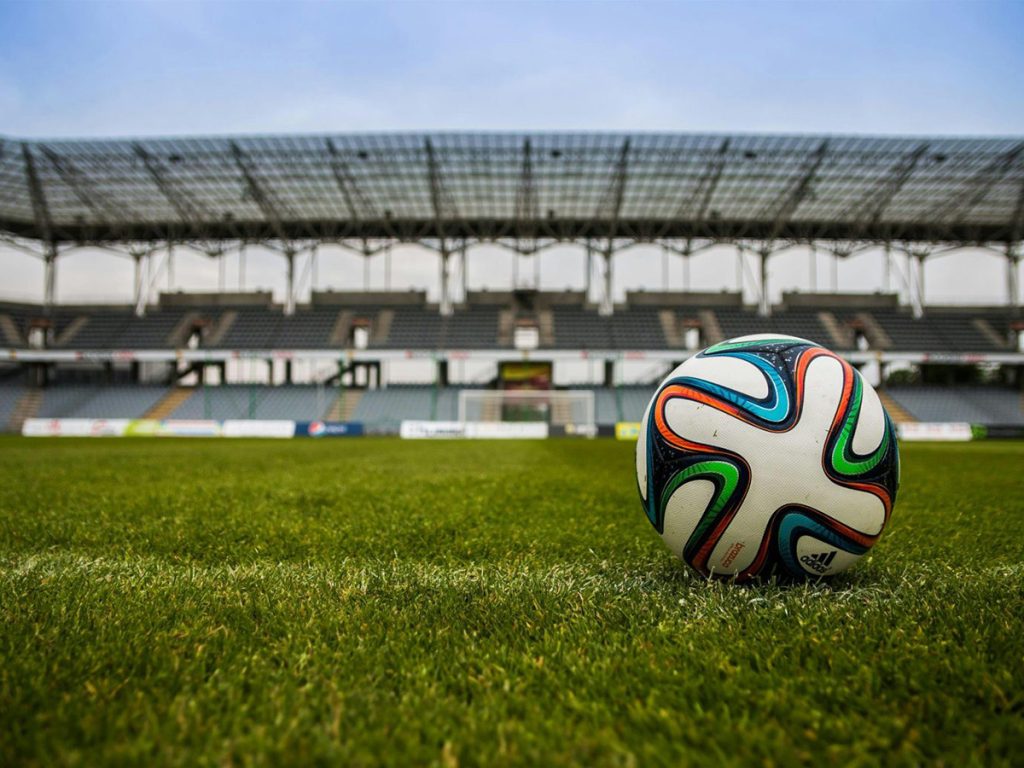
Sport communities are categorised into three main groups: emerging sports such as padel and esports; community sports like running and swimming; and sports with global reach including golf and cricket. This classification aims to cater to both international trends and local demand, while fostering long-term industry growth and competitiveness.
The strategic plan aligns with the Dubai Quality of Life Strategy 2033, supporting the Dubai Economic Agenda D33. It aims to build an integrated sports ecosystem that nurtures community development, fosters competitive excellence, and implements effective governance. The Dubai Sports Council will ensure execution via performance indicators and strengthened ties with public and private stakeholders.
The impact of sports across the UAE is already seen with events like the Dubai World Cup, DP World Tour Championship, Dubai Marathon and the F1 Grand Prix in Abu Dhabi.
Across the region, GCC countries are investing in sports, with ambitions to be seen as global sports hubs. This includes investment in e-sports, established sports and up-and-coming sports. For instance, Saudi Arabia is investing heavily in e-sports.