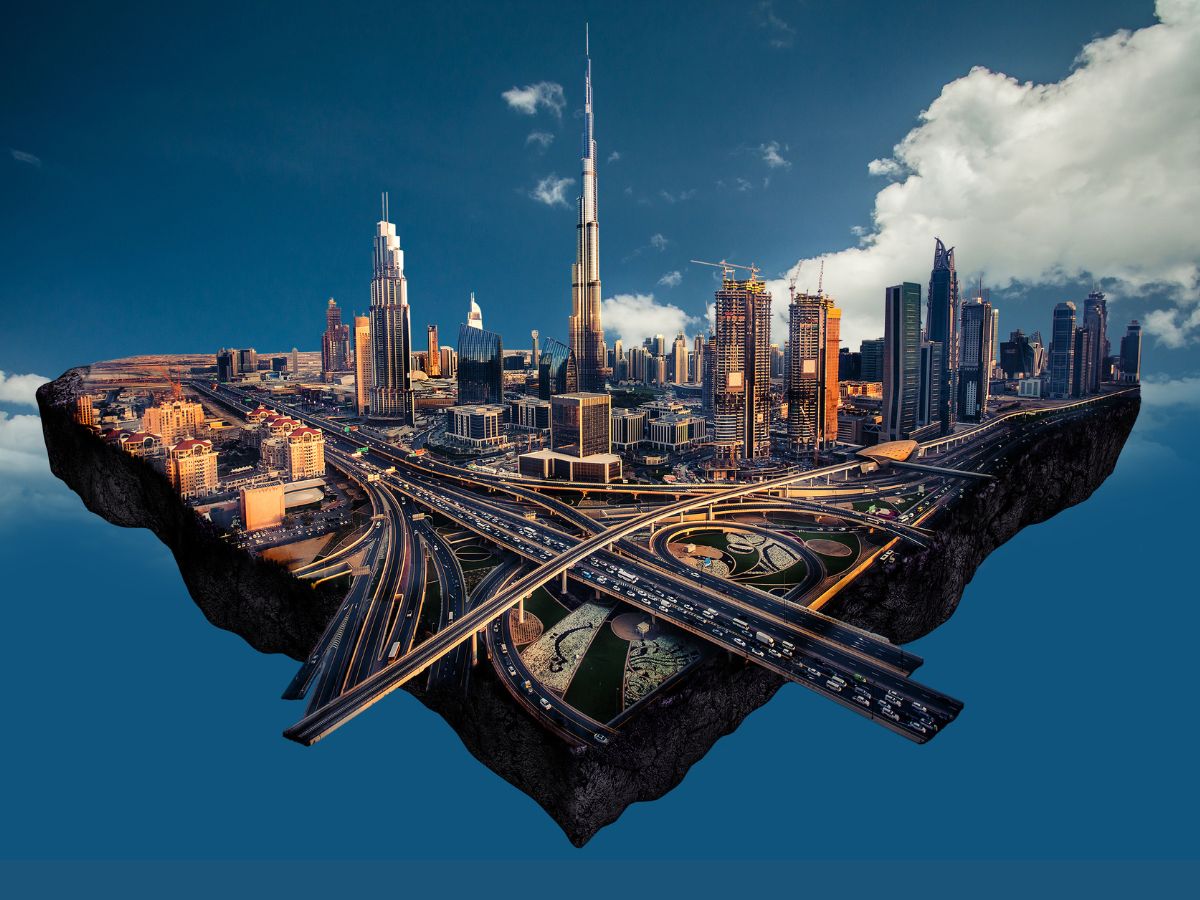
The UAE has become a global hub for digital assets and blockchain technology, distinguishing itself from other countries through a combination of strategic initiatives, regulatory frameworks and an innovation-friendly environment. This proactive stance is rooted in the country’s broader strategy of economic diversification, with technology and finance at the forefront.
In 2023, the UAE’s Virtual Assets Regulatory Authority (VARA) published its long-awaited crypto regulations, setting licensing and authorisation requirements for virtual asset companies and issuers looking to operate in Dubai. This week, the Dubai International Financial Centre (DIFC) enacted the world’s first digital assets law. In doing so, the UAE fostered an environment that promoted innovation while providing regulatory oversight.
The strategy was a resounding success, with revenues in the cryptocurrencies projected to reach $292.1 million in 2024, according to Statista; and the city ranking second globally in Recap’s Crypto-Ready Index.
“Over the past five years, attitudes towards cryptocurrency in Dubai have evolved significantly”
Dr Marwan Alzarouni
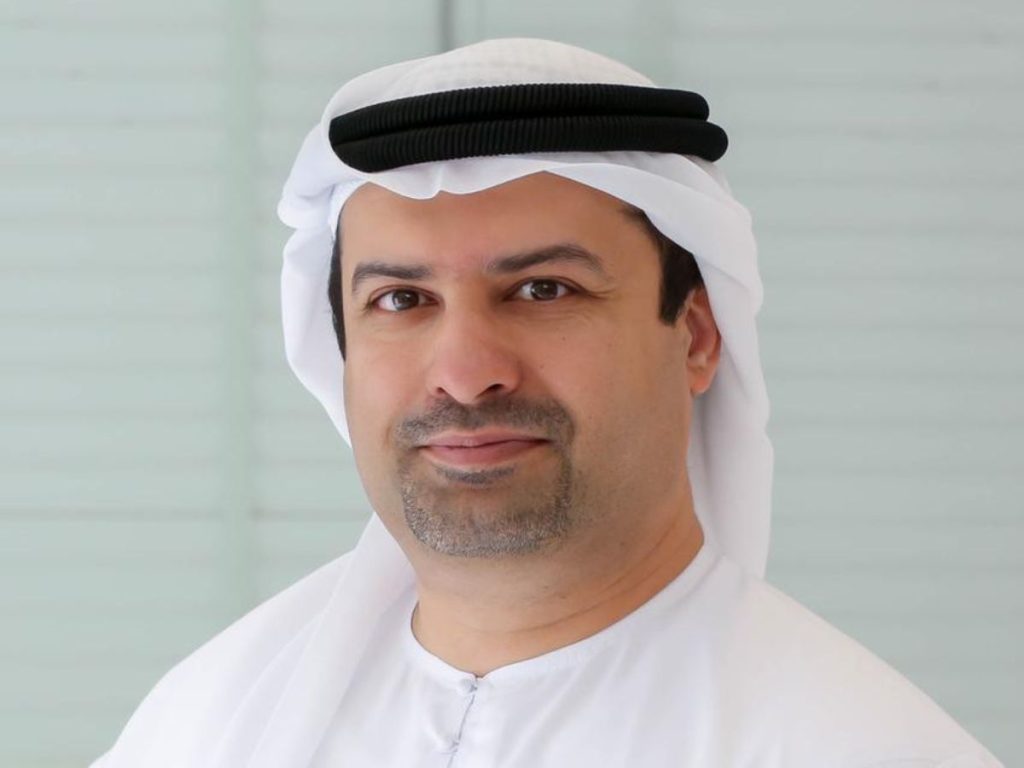
“Over the past five years, attitudes towards cryptocurrency in Dubai have evolved significantly. Dubai has shown a more permissive attitude towards cryptocurrencies, allowing cryptocurrency trading in its free zones,” said Dr Marwan Alzarouni, CEO of the Dubai Blockchain Center.
In an exclusive interview with Finance Middle East, he discussed the steps Dubai has taken to leverage the potential of both crypto and blockchain, as well as their use cases in banking, business, video games and the metaverse.
The promise of crypto
When Alzarouni founded the region’s first crypto over-the-counter (OTC) desk, OTC Supply DMCC, in 2018, attitudes towards virtual assets were quite different from what they are today. Governments, companies and investors distrusted the technology and the public understanding and acceptance of cryptocurrencies was far from widespread.
Five years later, the landscape has changed. The US Securities and Exchange Commission (SEC) has approved 11 spot Bitcoin ETFs and Dubai has unveiled its first regulatory framework for cryptocurrencies. The emirate has now become one of the top destinations for blockchain and crypto firms, with the Dubai Multi Commodities Centre (DMCC) alone hosting over 600 organisations, including 550 native companies, according to the latest Crypto Oasis Ecosystem Report.
“The key to achieving a balance between innovation and risk mitigation lies in the strategic balance of the regulatory landscape”
Dr Marwan Alzarouni
As CEO of Dubai Blockchain Center (DBCC), Head of the Digital Asset Task Force (DATF), and Strategic Advisor at the Dubai Department of Economy and Tourism, Alzarouni is helping regulators and private companies navigate the crypto and blockchain landscape and leverage the full potential of crypto and blockchain to transform GCC economies.
“The key to achieving a balance between innovation and risk mitigation lies in the strategic balance of the regulatory landscape,” Alzarouni said. “This balance provides clarity for businesses while ensuring investor protection and mitigating potential risks.”
Speaking on the approval of spot Bitcoin ETFs in the US, the DBCC CEO described the SEC’s decision as a “significant milestone” for the industry, one that “marks a shift in the regulatory landscape and is expected to broaden access to Bitcoin for institutional and retail investors”, bringing more transparency to the market. Nonetheless, he declined to comment on whether the UAE would follow suit.

Banking on blockchain
How can governments and banks best leverage the power of blockchain?
Blockchain technology has significantly transformed the financial sector by introducing a range of innovations that enhance security, efficiency, and transparency. These technologies include smart contracts, zero-knowledge proofs and decentralised finance. At its core, blockchain technologies also provide an immutable ledger that features security, transparency and instant auditability by design.
“The UAE has positioned itself as an international leader in blockchain technology”
Dr Marwan Alzarouni
When discussing the key aspects financial institutions should consider when looking to leverage the opportunities provided by this technology, Alzarouni highlighted three.
“First, they have to understand the technology and its implications,” he explained. “Then, ensure legal and regulatory compliance from the outset. Also, they must adopt a balanced approach to innovation and risk management. This involves continuous compliance with regulatory frameworks while staying informed about updates to adapt to changes in the regulatory environment.”
In Alzarouni’s opinion, the key to Dubai’s successful blockchain landscape lies in its use of regulatory frameworks and strategic initiatives. The former serves to provide clear rules and guidelines for companies, contributing to a stable and predictable business environment. The latter provides a clear strategic direction.
One such initiative is Dubai’s Blockchain Strategy, launched by HH Sheikh Hamdan in 2016, to pioneer the application of blockchain technology in city management. Similarly, the Emirates Blockchain Strategy 2021 leveraged this technology to enhance government services, reduce operational costs and foster economic growth.
“The UAE has positioned itself as an international leader in blockchain technology by hosting major blockchain summits and attracting crypto pioneers and investors from around the world,” Alzarouni said. “This not only showcases the UAE’s commitment to the technology but also facilitates knowledge exchange and global collaboration in the blockchain space.”
Blockchain and gaming
When one thinks of blockchain use cases, the video games market might not be the first to come to mind. Yet, it has captured Alzarouni’s attention. The CEO of DBCC highlighted the great potential that lies behind the intersection of these two sectors. He expects that non-fungible tokens will revolutionise in-game economies, while decentralised finance will introduce new models of monetisation and player engagement, fostering a market valued at $4.83 billion in 2022 by Allied Market Research.
“The synergy between gaming and blockchain opens up a myriad of opportunities for creating immersive, interactive experiences that are secure, transparent and offer true ownership of digital assets to players,” Alzarouni explained. “In 2024, we will continue to support the growth of this vibrant sector through our initiatives, fostering a community that is at the forefront of leveraging blockchain technology to redefine the future of gaming.”
Dubai has set its sights on becoming a global hub for blockchain and gaming. The emirate plans to showcase the transformative potential of the intersection of these sectors throughout 2024, Alzarouni said. To do this, it has planned a series of events that will not only highlight the latest innovations but also provide platforms for developers, entrepreneurs and enthusiasts to connect and collaborate.

The tech behind the metaverse
Blockchain has long been described as the future backbone of the metaverse. In 2022, Alzarouni claimed that “whoever controls the metaverse will control the world”. Two years later, he acknowledges that most of this excitement has died down, overshadowed by the promise of generative artificial intelligence. However, the CEO of DBCC still thinks the metaverse will have a profound impact on society.
“Despite the initial fervour around the metaverse, the enthusiasm has seen a notable decline,” Alzarouni said. “This downturn has led to a re-evaluation of the metaverse’s immediate potential and its place in the digital ecosystem.
“However, the concept of the metaverse remains significant. The current slowdown may represent a recalibration rather than a complete withdrawal of interest, with the metaverse still poised to play a crucial role in the future digital landscape. We are still three to five years away from seeing the full potential of the metaverse I believe.”
“We are still three to five years away from seeing the full potential of the metaverse”
Dr Marwan Alzarouni
Blockchain and cryptocurrencies are expected to facilitate secure, transparent and decentralised transactions in the metaverse. They will underpin the creation of virtual economies through the use of digital assets like cryptocurrencies and non-fungible tokens, facilitating the purchase of virtual land, goods and services, Alzarouni predicts. This integration supports the creation of a decentralised network of virtual worlds, where transactions are transparent and users maintain control over their digital assets and identities.
As the metaverse evolves, the integration of blockchain and cryptocurrencies could be crucial for its growth, security and the fostering of an inclusive digital economy. In this landscape, Dubai is setting an example of how regulators can boost crypto and blockchain innovation. Yet, there is still a long road ahead before reaching HH Sheikh Mohammed bin Rashid Al Maktoum’s vision of turning Dubai into “the first city fully powered by blockchain” and “the happiest city on Earth”.