The wealth management sector in the Middle East is undergoing significant changes, driven by a rising influx of ultra-high-net-worth individuals (UHNWI) and high-net-worth individuals (HNWI) from across the globe. This shift is particularly pronounced in the Gulf Cooperation Council (GCC) countries, with the UAE emerging as a key financial hub. Factors such as regulatory advancements, infrastructure investments and supportive government initiatives have positioned the UAE as a strategic bridge between the East and West.
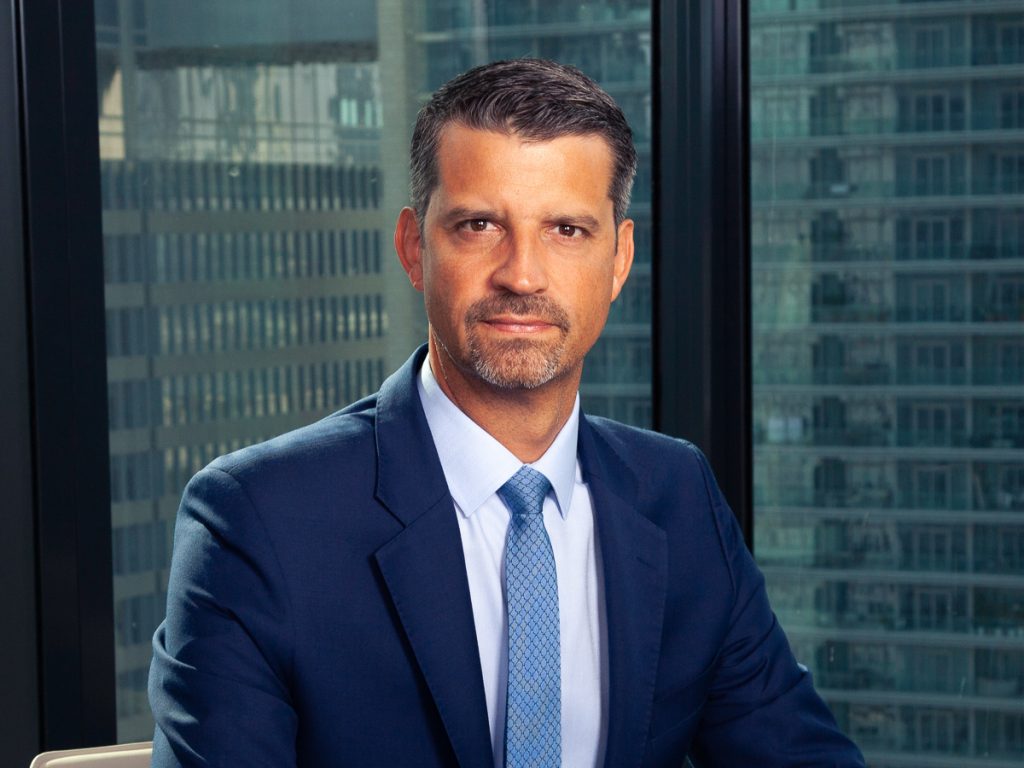
“The wealth management landscape in the Middle East continues to evolve, especially with the growing influx of UHNWI and HNWI wealth from around the world,” noted Regis Burger, Head of Middle East & Africa at Julius Baer (Middle East).
The USD peg for most economies in the region has kept inflation relatively in check compared to other emerging markets. Nevertheless, real asset prices and commodities like precious metals have continued to appreciate leading to gains in overall wealth levels for UHNWIs and HNWIs.
Intergenerational wealth planning
Wealth management firms are increasingly focused on addressing the needs of the next generation of HNWIs in the region. As the largest wealth transfer in decades unfolds, educating the next generation on investment principles and wealth creation is essential. An estimated $1 trillion is expected to be transferred generationally within the GCC by 2030, prompting families to increasingly focus on intergenerational wealth planning.
The sector is witnessing a shift in investment priorities, driven by the next generation’s interest in environmental, social, and governance (ESG) factors and impact investing. This generation approaches capital allocation differently, with a growing focus on sustainable investments. Additionally, there is increasing interest in digital assets and tokenised assets, leading wealth managers to continuously reassess their offerings to stay aligned with client preferences.
We observe that this has further increased risk appetite when making ongoing investments. The next five years will be about growing this wealth and preserving it.
Regis Burger
Technological integration in wealth management
Technology is playing a pivotal role in shaping the region’s wealth management landscape, enabling personalised offerings to reach new markets and client segments. While private banking remains a relationship-driven business, advancements in technology, particularly artificial intelligence (AI), enhance efficiency and allow wealth managers to better serve their clients.
Investment outlook for UHNWIs and HNWIs
Looking ahead, Burger advises that the UHNWIs and HNWIs in the region should maintain a long-term perspective and focus on diversified strategic allocation to preserve and grow their wealth. The USD peg in most regional economies has helped keep inflation in check, contributing to gains in real asset prices and commodities like precious metals.
“The next five years will be about growing this wealth and preserving it, Burger said. “We always advise our clients to look at the long-term horizon.”