
US Federal Reserve officials unanimously supported the lowering of interest rates but disagreed over the extent of the cuts, according to minutes released on Wednesday.
In September, the Fed announced a 50 basis points (bsp) interest rate cut, marking a significant shift in its monetary policy amid concerns over the labour market and global economic outlook. The move surprised many investors, who anticipated a 25 bsp reduction.
The meeting minutes revealed that some participants also pushed for a more conservative cut, with Federal Reserve Governor Michelle Bowman voting against the 50 bsp cut, becoming the first Fed governor to dissent on a policy decision since 2005.
Bowman cited higher-than-desired core inflation and low unemployment rates as the main reasons for her vote. “She also expressed her concern that the Committee’s larger policy action could be seen as a premature declaration of victory on the price-stability part of the dual mandate,” the minutes detailed.
The governor was not the only participant to argue for a 25 bsp cut. Several participants believed a smaller reduction would align with a more gradual path of policy normalisation, allowing time to assess policy restrictiveness as the economy evolves.
“Some participants observed that they would have preferred a 25 basis point reduction of the target range at this meeting, and a few others indicated that they could have supported such a decision,” the minutes stated.
The final vote, nonetheless, led to a 50 bsp point reduction, a move that was reportedly supported by “a substantial majority of participants”, according to the minutes. The progress achieved in lowering inflation and the “balance of risks” against the labour market were quoted as reasons for this decision.
In the past, the Fed has demonstrated a preference towards cutting interest rates in quarter-point increments. The central bank moved by half a point only during exceptional circumstances such as the COVID-19 pandemic and the 2008 financial crisis. Thus, the week of market volatility in early August could have played a role in support for a wider cut.
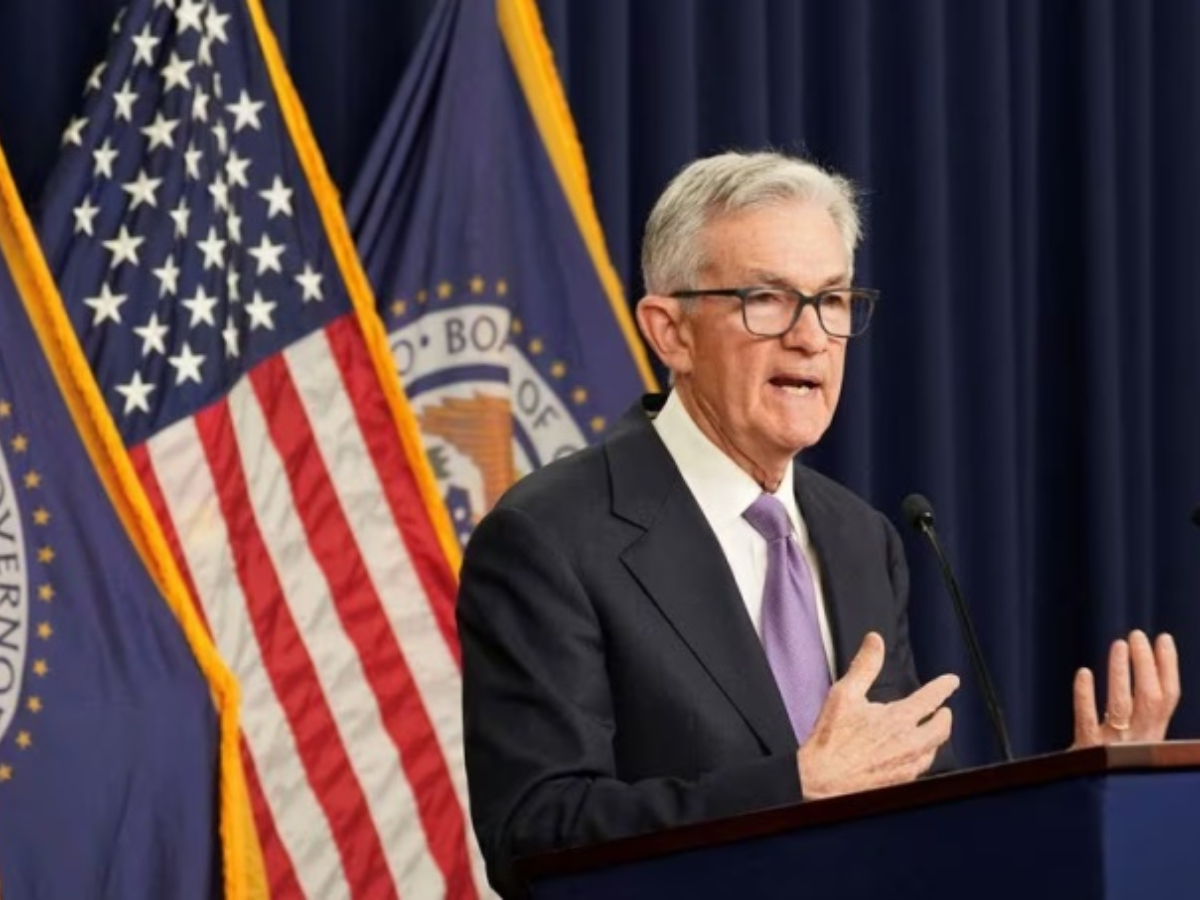
During the press conference after the vote, Fed Chair Jerome Powell expressed confidence in the 50 bsp cut, saying, “We made a good strong start and I am very pleased that we did.”