As part of its efforts to diversify its economy away from oil, Saudi Arabia is driving digital transformation and embracing innovation in the payments and e-commerce sector, said Mastercard.
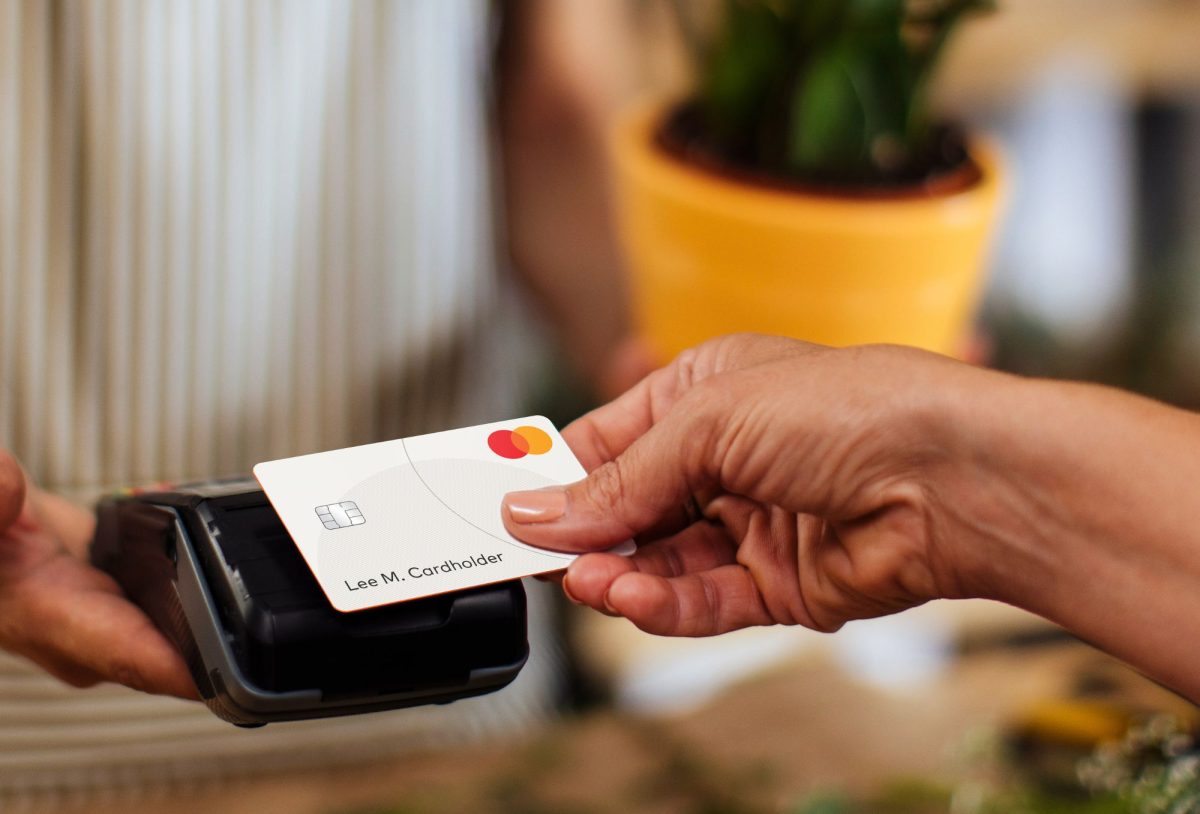
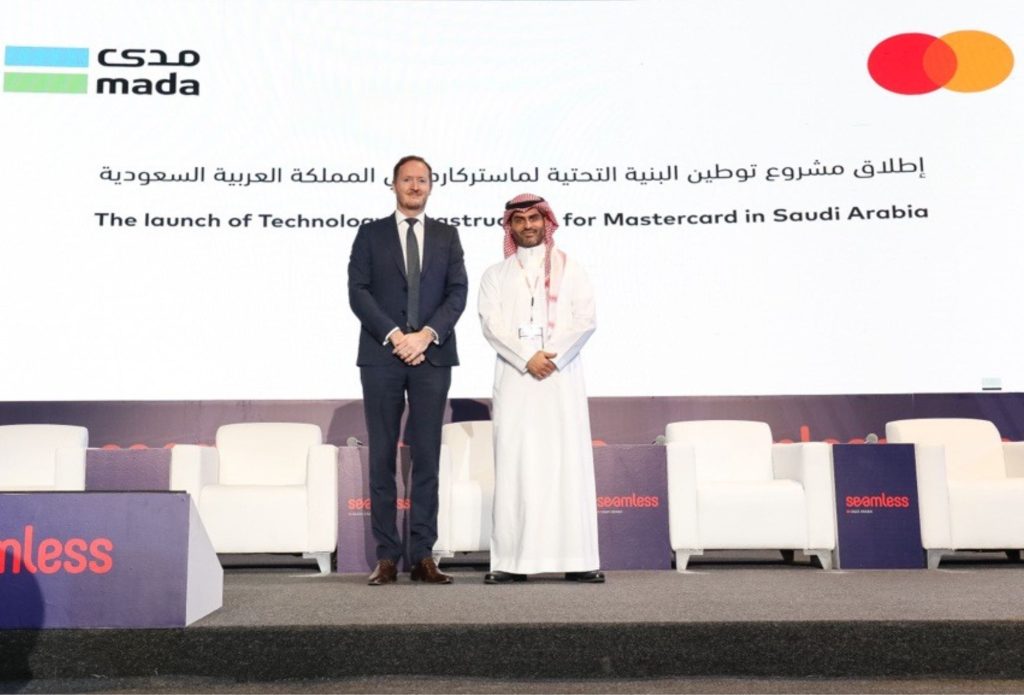
The company has announced the local establishment of Mastercard Gateway, under the patronage of the Saudi Central Bank (SAMA). This new technology infrastructure is set to enable the processing of e-commerce transactions locally, providing a seamless and secure payment experience for both Mastercard partners and consumers and supporting the acceleration of the Kingdom’s digital commerce industry.
“This partnership with Saudi payments, under the patronage of SAMA, is the culmination of many years of hard work,” Adam Jones, Executive Vice President and Division President for West Arabia at Mastercard, told Finance Middle East.
“We have seen not only the continued growth of e-commerce, as well as the expansion of digitisation within the Kingdom but also the need to ensure that we are truly reflecting the aspirations of the country of building a safe, secure and dependable payment ecosystem.”
As Saudi Arabia continues its journey towards Vision 2030, the Kingdom is looking at the e-commerce sector as a key driver of economic growth, Jones highlighted. Great strides have already been made as part of this effort. Currently, over 70% of payments in the Kingdom are digital and the non-oil sector has seen an almost 4% growth in GDP.
The rapid evolution in payments is bolstering the financial ecosystem by providing innovative new solutions in fintech, cybersecurity, retail and e-commerce.
“SMEs represent the backbone of every economy globally. In Saudi Arabia, they are no different,” Jones said. “We recognise, at Mastercard, that we have to do our part to enable those SMEs to be financially included, and get them access to the kind of tools that will support their commercial aspirations.”
One of the ways the country is growing its economic output is due to the contributions of small and medium-sized enterprises (SMEs). At the end of 2023, the number of SMEs in Saudi Arabia increased by 3% quarter-on-quarter to 1.31 million, according to a report issued by the Small and Medium Enterprises General Authority (Monsha’at). The e-commerce boom is further powering this growth, with the sector predicted to reach a market size of SAR 84.6 billion by 2025.
“E-commerce and payments are key facilitators of that safe, secure and dependable ecosystem that Saudi Arabia is creating and leading, not just in the region, but also around the world,” added Jones. With the new local infrastructure, Mastercard, he said, aims to drive greater innovation in the Kingdom and deliver it securely and efficiently.
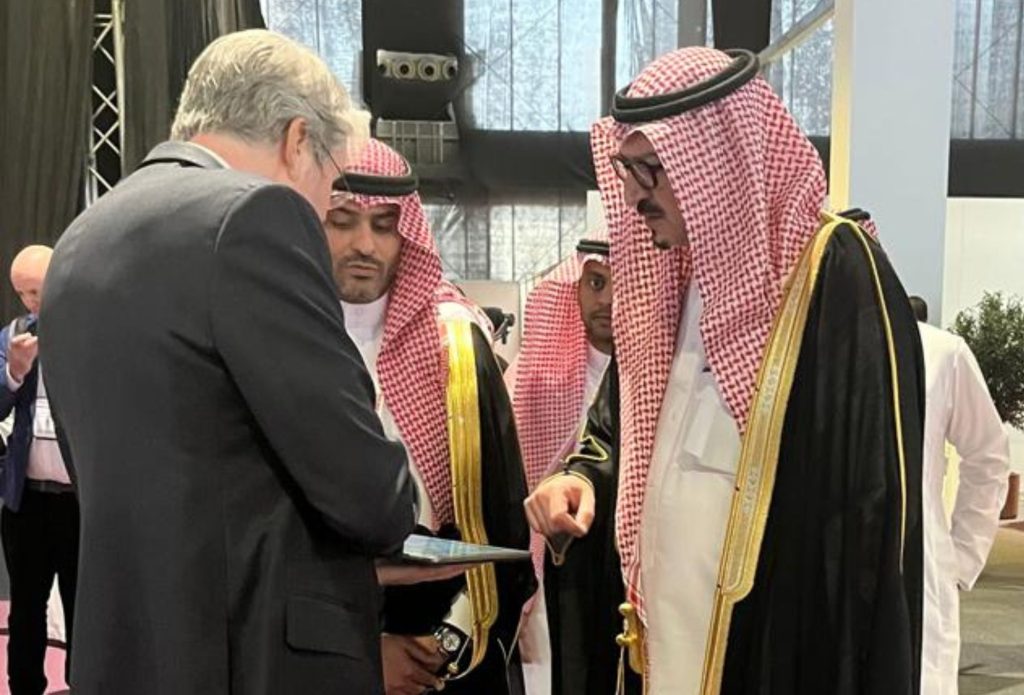
The company is one of the firms currently taking advantage of intelligent tools to enhance cybersecurity and fraud detection. “For example, when a mobile phone is even picked up, we’re able to ascertain whether the holder of that phone is the correct user, as opposed to a bad actor who has taken control of it” Jones said. The company can analyse users’ behavioural patterns to secure their accounts, as well as search the dark web to ensure sensitive information has not been compromised.
“When a mobile phone is even picked up, we’re able to ascertain whether the holder of that phone is the correct user”
Adam Jones
“By bringing our payment platform on soil, we are ensuring that the payment experience for the consumer, the merchant and businesses, is far more efficient in terms of reductions of latency and faster payment processing,” he said. “By doing so, we are ensuring that everybody can participate in that digital journey, which will ultimately benefit Saudi Arabia as it drives towards Vision 2030.”
Mastercard Gateway is a single touchpoint that powers payment and digital acceptance solutions across new and existing markets and channels. It currently connects over 200 acquirers globally and serves over 500,000 merchants in more than 110 million acceptance locations worldwide. In 2023 alone, it processed over 950 million transactions in Saudi Arabia across various payment methods, contributing to the growth of digital commerce.
“The pace of change that we’re seeing around the world is being accelerated by the countries within the Middle East, but particularly within Saudi Arabia,” Jones noted.