The luxury watch market has become a prominent area of interest for high-net-worth individuals and investors, mostly in regions like the Middle East, where the demand for these timepieces continues to grow. This surge has created a striking supply-demand imbalance, particularly among Swiss brands like Rolex, Audemars Piguet and Patek Philippe.
A Knight Frank study revealed that luxury watches have achieved a compounded annual return of 9% over the past decade, outpacing other passion investments such as vintage cars, art, and diamonds. Watches saw a 147% increase in value, outperforming vintage cars at 118% and diamonds at 13%.
According to Statista, the region is set to experience a compound annual growth rate (CAGR) of 2.62% by 2028, surpassing the global CAGR of 2.25%. This market shift presents unique opportunities and challenges for high-net-worth individuals (HNWIs) in the region.
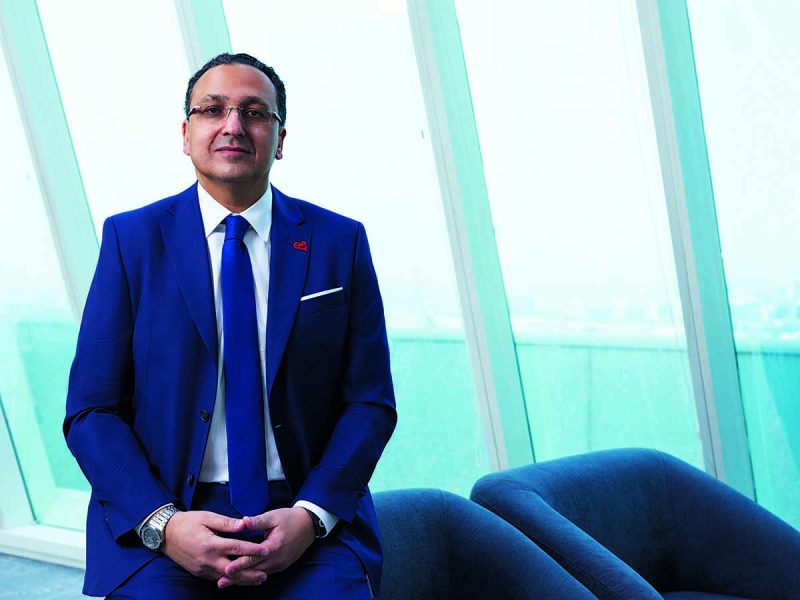
“HNWIs are increasingly moving to cities like Dubai and Singapore, which are becoming major hubs for wealth while countries like China, India, and other parts of Southeast Asia are showing strong growth potential that is driven by rising wealth and a growing interest in luxury goods,” noted Bas Kooijman, CEO and Asset Manager for DHF Capital S.A.
Kooijman added that Swiss brands remain the focal point for most watch investors, given their multi-generational value retention. “The stable luxury market in traditional regions and the growing interest in emerging markets like Southeast Asia, and even the Middle East, provide unique opportunities for investors to diversify their portfolios with tangible assets,” he highlighted.
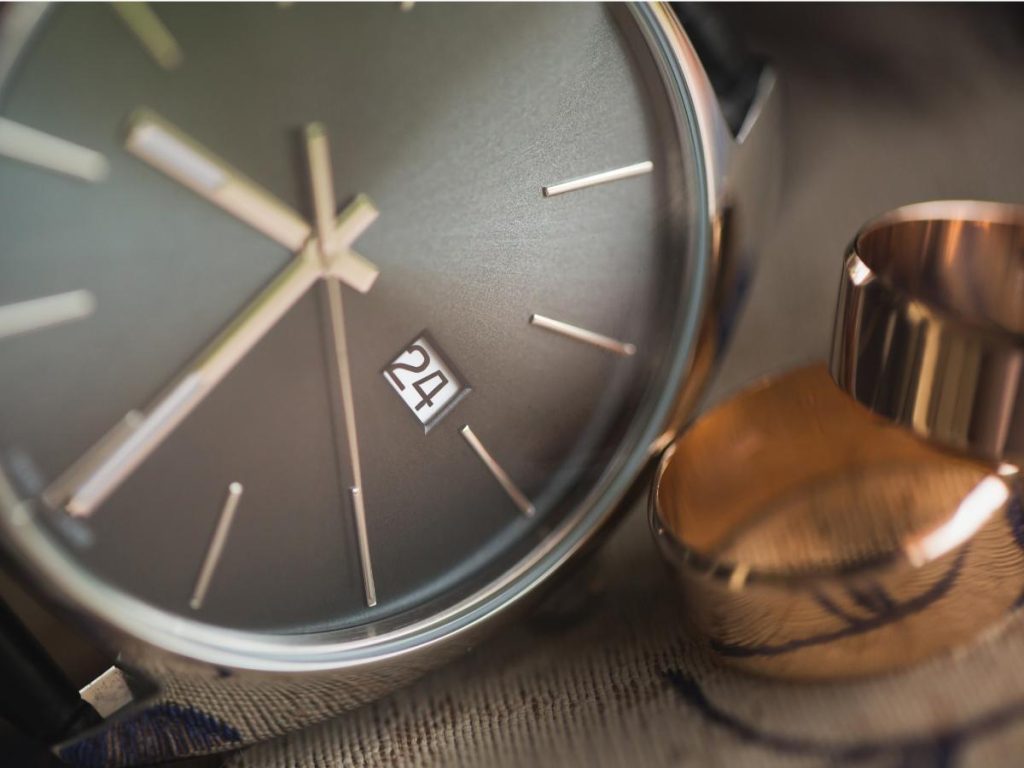
The appeal of luxury watches as investments
Alternative investments, like luxury watches, provide several advantages. Firstly, they help diversify portfolios and hedge against market volatility due to their low correlation with traditional financial markets. Secondly, they offer attractive returns—between 2017 and 2022, the Watch Market Price Index achieved returns four times better than gold and 13 times better than silver. A Patek Philippe timepiece, for example, delivered a staggering 207% return on investment (ROI) during this period.
Luxury watches also serve as tangible, portable assets. They engage emotionally, whether worn or displayed and offer mobility—luxury timepieces can be easily stored or converted into cash when necessary.
An increasing number of financial institutions now offer credit lines using hard luxury assets as collateral, thanks to the liquidity and reliable valuation methods of the luxury watch market. These financial products allow investors to leverage their collections to secure additional borrowing, address business cash-flow needs or fund further acquisitions.
Beating inflation and controlling supply
Luxury watches have consistently outperformed other alternative investments, partly due to their inflation-resistant characteristics. Reports indicate that watches on the secondary market can fetch prices up to 300% above retail value, and Swiss experts at LuxeConsult predict that the secondary market will triple in size over the next decade, outpacing the primary market. Investors who hold onto well-maintained, complete timepieces, particularly from renowned brands, can expect significant returns.
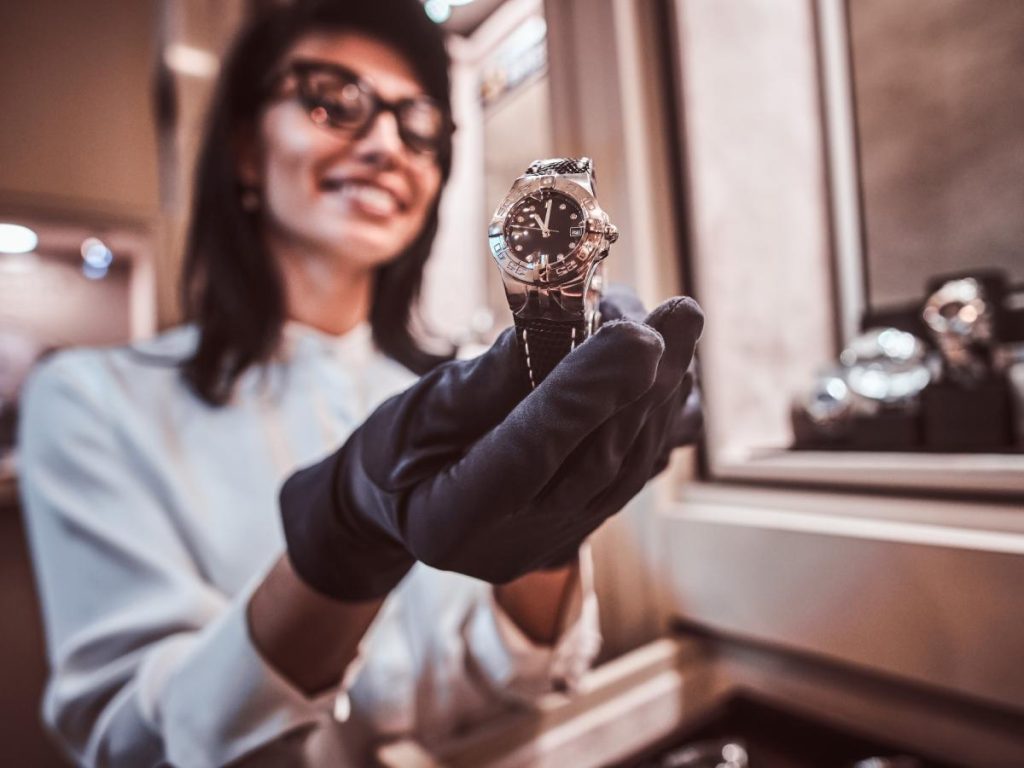
Swiss brands like Rolex are known to control prices at the production level, ensuring watches maintain or grow in value even as manufacturing costs rise. For instance, in 2023, Rolex saw a 9% value increase, driven largely by price hikes. This price control serves as a dependable hedge against inflation, a feature that few other assets offer.
Limited supply also plays a key role in value retention. Unlike other collectable assets, such as art or vintage cars, the production of luxury watches is tightly controlled, ensuring high demand. For example, Patek Philippe maintains exclusivity by producing fewer units than the market demands, which helps preserve their value. Compared to other investments, the controlled supply in the watch market is a key reason for their continued outperformance.
The challenges of acquiring luxury watches
The rapid growth in the luxury watch market has made it increasingly difficult to acquire coveted models. For instance, Dubai Mall’s Rolex boutique had a waiting list of 4,000 customers in 2022, and strict purchasing protocols are common at brand boutiques worldwide.

Kooijman notes that collectors who wear their watches may face wear-and-tear, which can affect resale value, though brands like Omega and Vacheron Constantin have reputations for retaining value over time. Watches kept strictly for investment purposes and stored carefully maintain their value more easily.
However, watches lack the liquidity of other assets like gold or stocks. Finding a buyer at the right price can be challenging, so it is essential to balance watch investments with more liquid assets to maintain portfolio flexibility.
Pre-owned market
The pre-owned luxury watch market has expanded significantly, driven by increased price transparency and greater access to market data. A 2023 Deloitte survey revealed that 39% of consumers are more likely to purchase a pre-owned watch within the next year, and 34% consider watches to diversify their investment portfolios.
Several factors have fueled this growth, including improved data platforms that track sales across auction houses and dealers. The use of artificial intelligence to predict prices has further enhanced decision-making.
From 2018 to 2023, rare pre-owned watches have appreciated by an average of 20% annually, far outpacing the 8% annual rise in the S&P 500 during the same period. The market’s resilience was also evident during the 2007–2009 recession, when luxury watches recovered faster than many other asset classes.
Investing in luxury watches offers a unique blend of emotional and financial appeal. With their low correlation to traditional markets and inflation-resistant characteristics, timepieces from prestigious brands like Rolex and Patek Philippe continue to attract investors seeking portfolio diversification and solid returns. However, challenges such as liquidity, market volatility, and the risk of counterfeits require cautious research and careful purchasing decisions. As the market expands, particularly in regions like the Middle East, the potential for both personal enjoyment and financial growth in luxury watch investments remains undeniable.