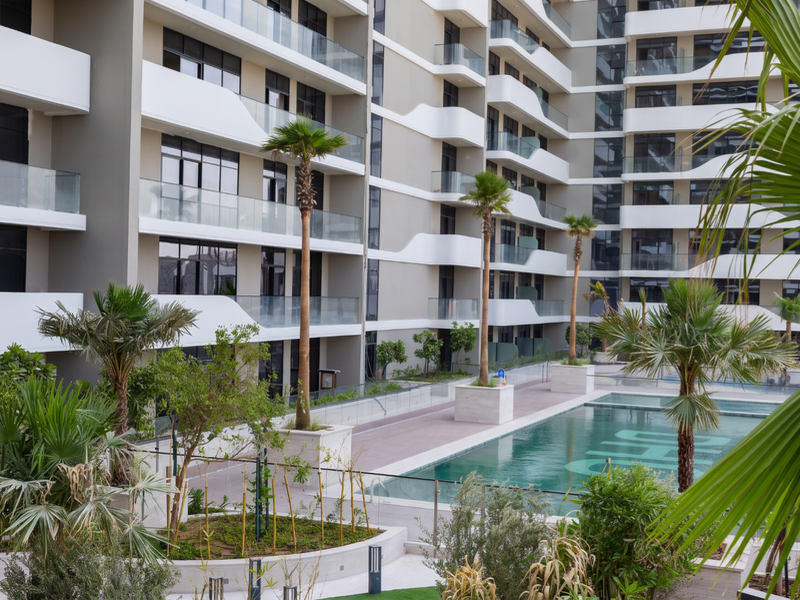
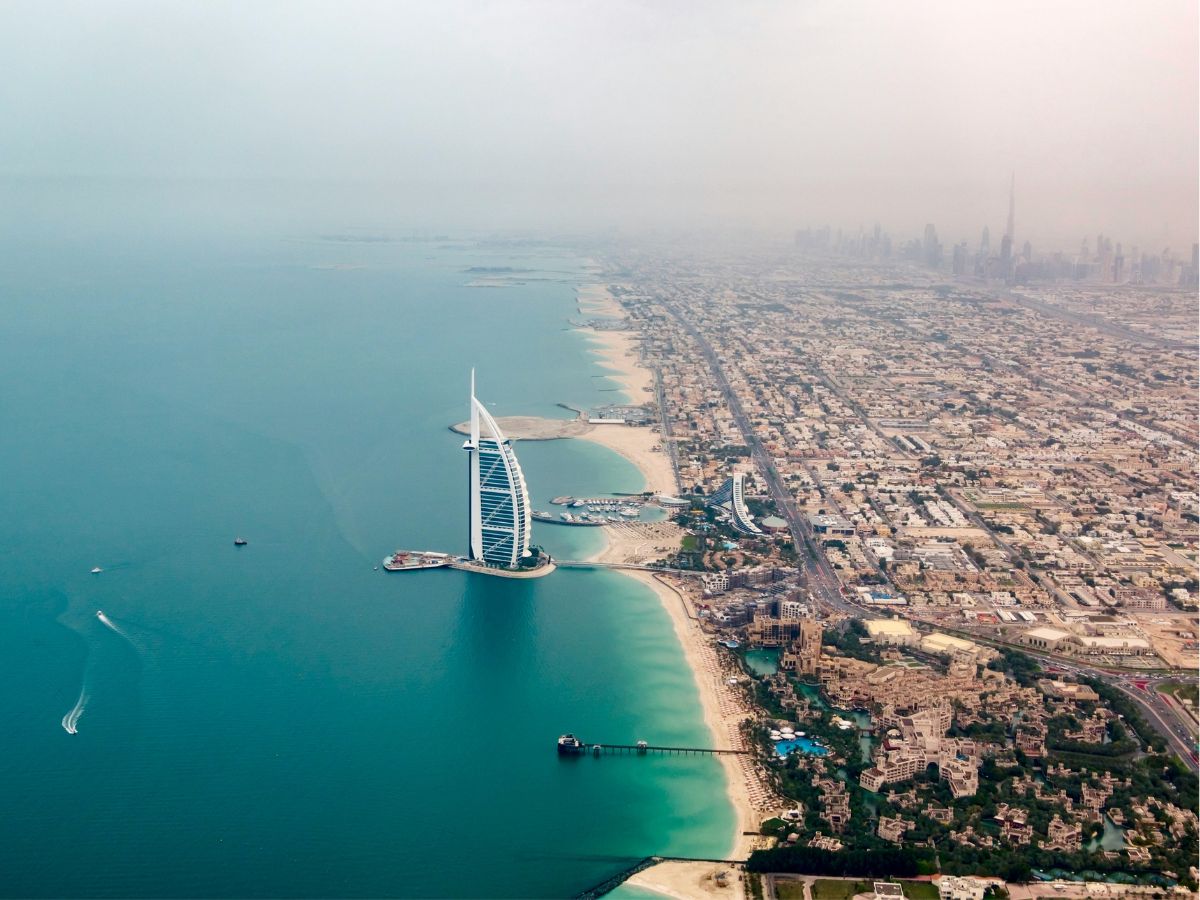
The demand for residential real estate in Dubai has continued to rise since 2022. S&P Global Ratings has found the pace of new launches in the first year of 2024 was higher than in 2023, with off-plan sales on track to exceed $58.3 billion that of 2023.
So far, “the escalation of geopolitical conflicts in the Middle East has had no significant effects on Dubai’s residential real estate market”, S&P said in its latest report.
The research firm had previously estimated that the city’s real estate market prices would abate by the end of 2024, as a result of a rise in the number of new residential launches over the past two years; but this did not materialise. The firm now expects property prices to remain stable over the next 18 months and could decline afterwards due to increasing supply. “We expect the residential real estate market will balance out by 2026 at the latest,” the report stated.
The evolution of the real estate market process is expected to be dependent on supply, with an increase in the number of available homes potentially saturating the unfulfilled demand, and leading to lower prices and rents. However, the real estate inventory absorption rate, as well as delivery delays, could impact the sector.
Why are Dubai real estate prices increasing?
Over the past two years, Dubai’s real estate sector has been benefitting from an increase in its population, as well as a rise in foreign investment. The emirate’s population reached 3.7 million at the end of 2023, according to the Dubai Statistics Center, with S&P projecting it will reach 4.0 million by 2026 on the back of an increasing number of expatriates.
The increase in Dubai’s population has also been boosted by the visa reforms that occurred in 2024. Changes such as the reform of the Golden Visa, have provided stability to residents and attracted wealthy international investors and high-net-worth individuals (HNWIs).
“Given our expectation of population growth, high prevailing rents, and the high value per square foot, returns on real estate investments in Dubai exceed those in most European countries,” the report stated. “Therefore, off-plan sale transactions (primary market) are twice as high in first-half 2024 as the secondary market and buyers are willing to pay a higher price per sq. ft. for new constructions.”
Dubai: a strong economic outlook
Dubai’s economy is set to remain relatively resilient-and so is its real estate market. Despite geopolitical tensions in the region, S&P expects that real GDP growth will remain close to 3.0% on average over 2024-2027, following a growth of 3.3% in 2023, and that Dubai’s GDP per capita will be about $38,000 in 2024.
As part of the D33 agenda, the Dubai government aims to increase real estate transactions by 70% and multiply the value of Dubai’s real estate portfolios by 20 to Dh20 billion. Dubai’s Real Estate Strategy 2033 aims to contribute Dh73 billion to the emirate’s GDP and to raise homeownership rates to 33% in 2033.
“Dubai’s dynamic economic environment, its reputation as a safe haven, and the low tax regime sustain the emirate’s attractiveness for global investors,” S&P said.
When will prices go down?
S&P expects Dubai property prices to remain stable over the next 18 months, with a start of a decline afterwards. By 2026, at the latest, the sector is expected to have stabilised.
In the private market, the stabilisation of the process is expected to result from developers focusing more on increasing sales volumes rather than price growth. However, “prices for ready properties could slightly increase due to their availability, better affordability compared with the primary market, and the still high demand”. the report said.
Meanwhile, rental growth will likely stabilise as the stock of available units increases, first in non-prime areas and potentially spreading to the wider market afterwards.
“The level of launches the market has been able to absorb so far in this cycle does not seem sustainable over the long run,” S&P said. “While developers are in a sound financial position, given strong cash collection, we expect they will remain agile in adjusting new project launches to demand evolution, that is, selling smaller units when prices are increasing. In a weaker environment, we expect less established developers will start to ease payment plans to maintain sales figures.”
Meanwhile, the share of luxury developments is expected to be reduced in 2025 since developers will continue to focus on affordable and mid-market properties.
“We believe developers will adjust the property mix and size to offer more affordable apartments and villas,” the report found.