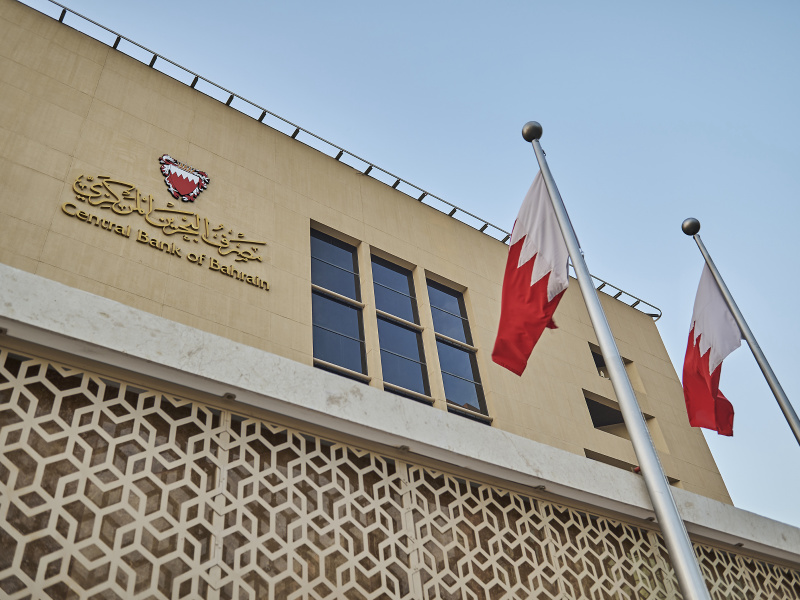

The Gulf region is on a transformative journey toward becoming a global economic powerhouse and geopolitical player. The coming years will bring major opportunities and partnerships to the area, offering further potential for growth. Central to this momentum is the reciprocal benefit of collaborations with key global trading partners, yet only the most competitive players will thrive in this environment.
Investment as a tool
Gulf nations are aligned in a shared vision to diversify their economies and embrace innovation. Gulf countries, especially Saudi Arabia, the UAE, and Qatar are spearheading this transformation, with Kuwait, Bahrain, and Oman also contributing. Each country has its own ambitious program—Saudi Arabia’s Vision 2030, UAE’s Project of the 50, Qatar’s National Vision 2030, Kuwait’s Vision 2035, Bahrain’s Economic Vision 2030, and Oman’s Vision 2040—though their goals align with invigorating economies, strengthening public-private partnerships, and shifting away from fossil fuels toward solar and hydrogen.
This strategic redirection aims to turn the Gulf into a global hub that leverages its geographic position between Europe and Asia. Efforts include nurturing sectors like logistics, renewable energy, entertainment, and leisure while harnessing soft power through sports, culture, and the arts. A major challenge lies in fostering a culture of innovation, with sovereign wealth funds leading initiatives across AI, biotech, and semiconductors. Some of these are independent, while others involve strategic partnerships to bring in talent or capital, marking a new phase of collaboration between sovereign funds and governments.
Pillars of growth
Understanding the Gulf’s growth requires recognising the roles of sovereign investors and energy companies. Energy firms provide economic stability, while sovereign wealth funds drive growth and transformation. Collaborative efforts between these entities and international investors are vital to the region’s economic future. Notable projects include retrofitting infrastructure to support renewable energy distribution.
While Gulf countries focus heavily on local capital deployment, they also value foreign investment to gain knowledge and skills that strengthen domestic economies and drive innovation. This blend of local focus and global outreach positions Gulf countries as dynamic players in the global economy.
Cultivating a thriving private sector
The Gulf states are also increasingly committed to developing a robust private sector to fuel diversification and innovation. For example, Saudi Arabia’s Vision 2030 seeks to increase the private sector’s contribution to the economy from 40% to 65% of GDP. The region’s diverse business conglomerates play a significant role in driving growth. Financial markets are also becoming more sophisticated, with initiatives like Tadawul’s inclusion in emerging market indices and the establishment of financial hubs like the Abu Dhabi Global Market and Dubai International Financial Centre supporting investment and easing business conduct.
Foreign businesses, particularly in financial services and technology, are increasingly attracted to the Gulf’s potential. The region’s investment in AI, including Abu Dhabi’s Falcon 180b language model, reflects a commitment to creating globally competitive AI capabilities. According to PwC, AI could add $320 billion to the Middle East economy by 2030. The Gulf’s young, tech-savvy population, high internet penetration, and blossoming creative industries offer fertile ground for innovative businesses in AI and digital marketing.
Navigating complexities and opportunities
For success in the Gulf, businesses must understand its complexities and culture. Establishing credibility and relationships is essential. Western companies need a thoughtful, long-term approach while competing with Asian players who are increasingly active in the region.
A key part of Saudi Arabia’s vision is empowering women and youth, reflecting its commitment to inclusivity. Collaboration with international partners remains vital for achieving the Kingdom’s economic objectives. Sovereign wealth funds are pivotal in attracting foreign investment, as seen in recent partnerships with global firms to launch investment platforms that drive innovation and create jobs.
Looking to the future
The Gulf is at a transformative juncture, with economic diversification and global partnerships at its core. Success depends on strategic collaborations, co-investments, and a shared dedication to realising the region’s potential. Gulf countries are charting a path toward a prosperous and sustainable future, presenting investors and businesses with significant opportunities to contribute to the region’s continued success.