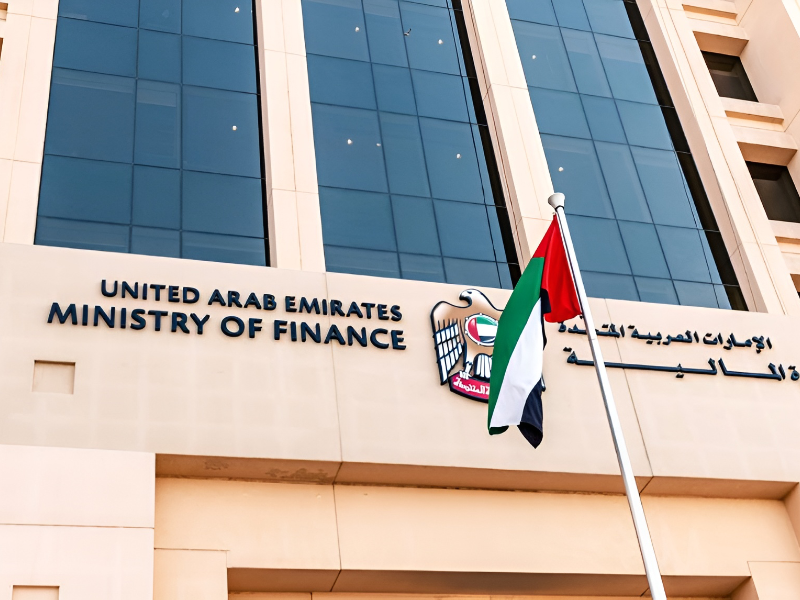
The UAE generates between Dh10 billion and Dh11 billion (approximately $2.7 billion to $3 billion) annually through indirect taxes, according to Younis Haji Al Khoori, Undersecretary of the Ministry of Finance.
This revenue constitutes a significant portion of the federal budget, which totals around Dh65 billion.
“This underscores the robustness of the UAE’s tax framework, which is aligned with its strategic vision of achieving economic diversification and financial sustainability,” said Al Khoori.
The UAE’s federal budget for 2024 has been approved with total estimated revenues of Dh65.728 billion, marking a growth of 3.3% over the fiscal year 2023.
In addition to indirect taxes, the UAE has implemented a corporate tax regime to further diversify its revenue sources. Starting in January 2025, the UAE will impose a 15% minimum top-up tax on large multinational companies operating in the country, aligning with the OECD’s global minimum corporate tax agreement.
These fiscal measures are part of the UAE’s broader strategy to reduce dependence on oil revenues and ensure long-term economic sustainability. By enhancing its tax framework and implementing prudent fiscal policies, the UAE aims to strengthen its financial position and support continued economic growth.