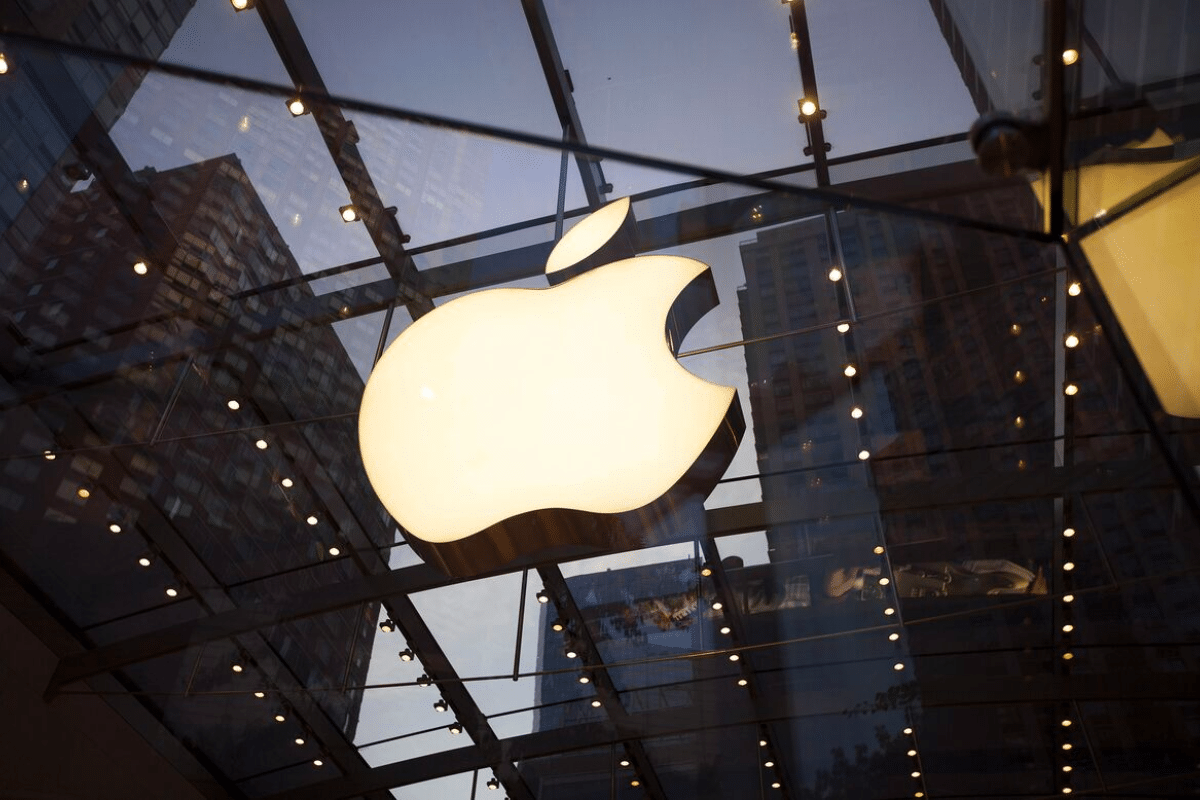
Apple is on the brink of reaching a historic $4 trillion market valuation, driven by investor optimism over the company’s advancements in artificial intelligence and expectations of a supercycle for iPhone upgrades. According to Reuters, Apple shares have surged approximately 16% since early November, adding around $500 billion to its market capitalisation, which now stands at $3.85 trillion.
The stock rally highlights growing confidence in Apple’s ability to leverage AI to rejuvenate iPhone sales, which have faced recent challenges. “Investor enthusiasm for artificial intelligence and an expectation that it will result in a supercycle of iPhone upgrades” is fueling the momentum, said Tom Forte, an analyst at Maxim Group.
This performance solidifies Apple’s leadership in the tech industry, surpassing Nvidia and Microsoft in the race toward the $4 trillion valuation milestone. Apple, which was the first US company to achieve earlier trillion-dollar milestones, now boasts a valuation greater than the combined stock markets of Germany and Switzerland.
AI strategy and market dynamics
Despite its dominance, Apple has faced criticism for being slow to develop a clear artificial intelligence strategy compared to competitors such as Microsoft, Alphabet, Amazon and Meta Platforms. However, the company has recently begun integrating OpenAI’s ChatGPT into its devices and is incorporating generative AI across its app suite.
While Apple forecasts modest revenue growth of “low- to mid-single digits” for its fiscal first quarter, analysts expect iPhone revenues to rebound in 2025. Erik Woodring, a Morgan Stanley analyst, noted that muted near-term iPhone demand is tied to the limited availability of Apple Intelligence features and geographic constraints. He reiterated Apple as the brokerage’s “top pick” for 2025.
The company’s price-to-earnings ratio has climbed to 33.5, its highest in nearly three years, surpassing Microsoft’s 31.3 and Nvidia’s 31.7, according to data from LSEG.
Risks and challenges
Apple faces potential challenges, including retaliatory tariffs if US President-elect Donald Trump enforces a proposed 10% tariff on goods imported from China. However, analysts believe the company is likely to secure exclusions for key products like iPhones and MacBooks, similar to those granted during the 2018 tariff rounds.
Additionally, Warren Buffett’s Berkshire Hathaway, Apple’s largest institutional shareholder, has reduced its stake this year, citing concerns over high valuations.
The Federal Reserve’s recent indication of a slower pace of rate cuts in 2025 led to a temporary dip in Apple shares amid broader market declines. However, investors expect continued monetary easing to support stock markets, with technology viewed as a resilient sector.
“Technology has been regarded by investors as a new form of a defensive sector because of their earnings growth,” said Sam Stovall, chief investment strategist at CFRA Research.
“Apple’s approach to $4 trillion market cap is a testament to its enduring dominance in the tech sector. This milestone reinforces Apple’s position as a market leader and innovator,” said Adam Sarhan, CEO of 50 Park Investments.
The milestone, if achieved, would further cement Apple’s position as a pioneer in the global technology landscape, driven by its ability to adapt and innovate in a rapidly evolving market.