
The United Arab Emirates has officially announced its withdrawal from OPEC after more than 50 years of membership, taking effect on 1 May.
This decision was revealed as OPEC convened in Vienna, reflecting the UAE’s strategic shift towards greater flexibility in its production policy and alignment with national interests.
The move follows an extensive review of the “country’s production capacity… based on our national interest and our commitment to contributing effectively to meeting the market’s pressing needs,” UAE state news agency Wam said.
“While near-term volatility, including disruptions in the Arabian Gulf and the Strait of Hormuz, continues to affect supply dynamics, underlying trends point to sustained growth in global energy demand over the medium to long term” (WAM).
The UAE was the third-largest producer in OPEC in February, behind Saudi Arabia and Iraq.
UAE Oil Ambitions
Amid ongoing volatility in the oil market, the UAE is focused on boosting its oil output from 3.4M barrels per day to 5M by 2027.
Leaving the cartel grants the UAE full control over production levels, allowing it to monetise oil output without external restriction.
The announcement comes in the context of recent supply shocks affecting OPEC, with March witnessing a dramatic decline in production due to external conflicts.
ADNOC XRG Investments in U.S.
ADNOC’s investment arm is also increasing its investments in the U.S. energy market, aiming to develop the U.S. LNG domestic energy market from exploration to supply.
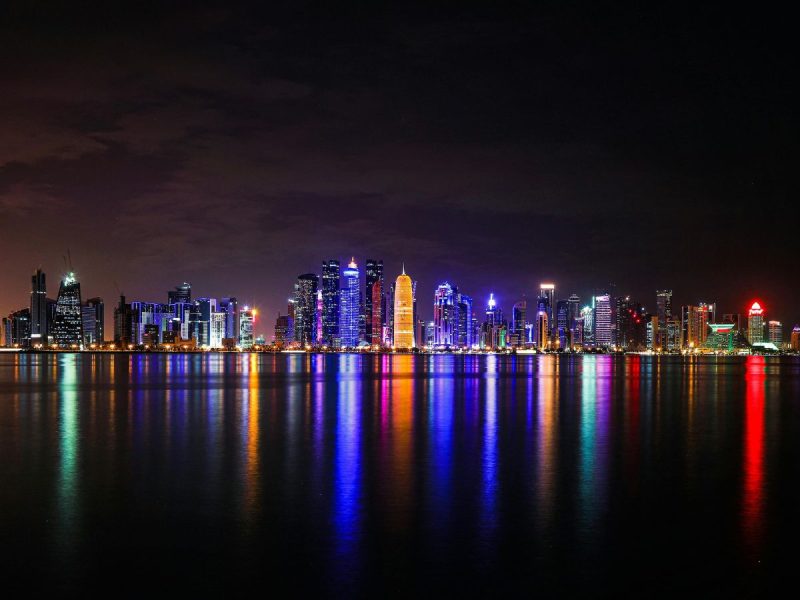
The UAE, a founding member of OPEC since 1967, joins the ranks of former member Qatar which exited in 2019. The departure signals a shift in the dynamics of the Gulf’s oil producers, while Bahrain and Oman maintain their alignment with OPEC’s supply management practices outside of formal membership.
Stay Up to Date with the Latest Updates at Finance ME
“We Can’t Stand Still”: Alserkal SMEs Break Even
Saudi Arabia Added to J.P. Morgan EM Bond Index Watchlist
EDGE’s Rodrigo Torres on Risk, Sovereignty and Defence Finance in a Multipolar World