
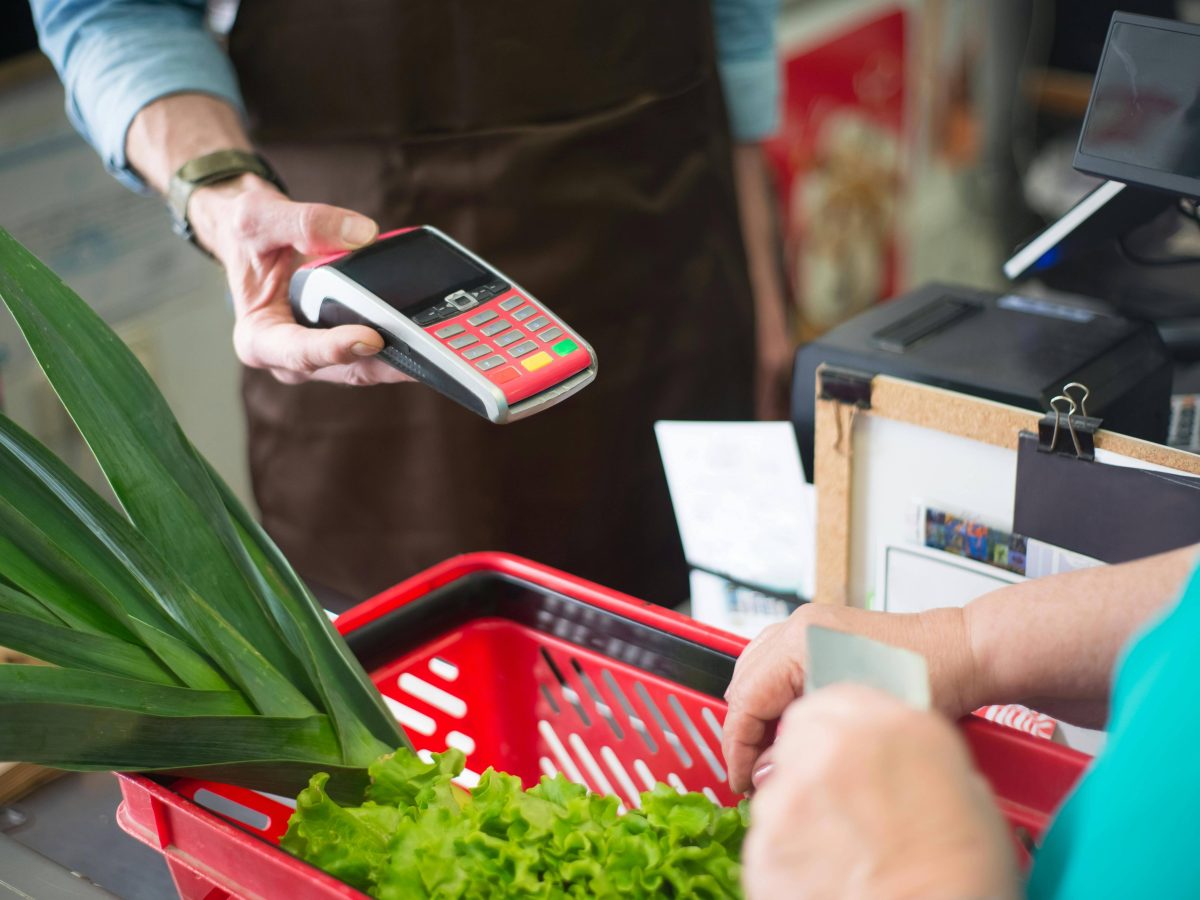
The UAE Ministry of Economy has announced the implementation of three ministerial decrees to regulate the pricing of essential consumer goods, starting January 2, 2025. The policy aims to enhance transparency, improve oversight and protect consumers in the country’s markets.
The decrees prioritise nine essential goods—cooking oil, eggs, dairy, rice, sugar, poultry, legumes, bread and wheat—whose prices cannot be raised without prior approval from the Ministry. Other goods will continue to follow supply and demand mechanisms.
HE Abdullah Ahmed Al Saleh, Undersecretary of the Ministry of Economy, stated, “Building a stronger consumer protection ecosystem is a national priority, and the new policy represents a pivotal step towards enhancing transparency and oversight of the pricing of essential goods.”
New ministerial decrees outline pricing regulations
The three ministerial decrees establish the regulatory framework for the pricing policy:
- Ministerial Decision No. 246 of 2024 regulates the pricing of essential consumer goods, preventing price increases without Ministry approval and requiring a minimum of six months between successive price hikes. It establishes a monitoring team to oversee price changes and investigate complaints about violations. Consumers, suppliers, and retailers have the right to file complaints against breaches.
- Ministerial Decision No. 245 of 2024 mandates retail stores and online merchants with premises larger than 1,000 square meters to display unit prices for products. This ensures price transparency and allows consumers to make informed purchasing decisions based on standardised unit pricing. Non-compliance may result in consumer complaints and investigations.
- Ministerial Decision No. 247 of 2024 regulates the contractual relationships between suppliers and retailers, promoting transparency and integrity within the consumer goods sector. This decision establishes ethical guidelines for all parties but does not serve as the sole basis for resolving disputes.
The Ministry emphasised that the policy aims to maintain market stability, prevent monopolistic practices, and ensure the quality and availability of essential goods. It also seeks to balance relationships between suppliers, retailers, and online merchants, fostering fair competition.
“The new policy represents a pivotal step towards enhancing transparency and oversight of the pricing of essential goods. It ensures fair competition, accurate information, and a balance in market dynamics,” HE Al Saleh noted.