The UAE’s economy recorded a robust growth trajectory in the first half of 2024, driven by a diversified non-oil sector that contributed 75% to the nation’s GDP, according to the UAE Ministry of Economy. Preliminary estimates from the Federal Competitiveness and Statistics Centre (FCSC) revealed that the UAE’s real GDP grew by 3.6% during this period, reaching Dh879.6 billion. Non-oil GDP surged by 4.4% to Dh660 billion, signalling the nation’s ongoing progress toward economic diversification under the “We the UAE 2031” vision.
Transportation and storage emerged as the fastest-growing non-oil sector, recording an 8.4% growth rate in the first half of 2024. This expansion is attributed to increased trade volumes and advancements in logistics infrastructure, including the UAE’s strategic investments in ports and free zones. The UAE’s strategic location as a global logistics hub has further amplified this sector’s performance, supported by international partnerships and innovations in supply chain technology.
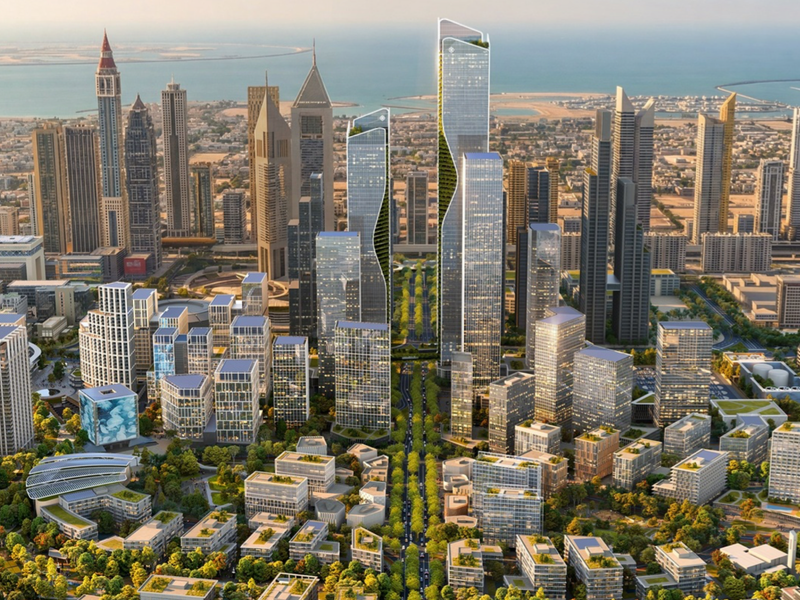
The financial and insurance sector ranked second, achieving a 7.6% growth rate and contributing 12.5% to the non-oil GDP. This sector benefited from increased banking activity and regulatory enhancements aimed at fostering investment. The construction sector followed closely, growing at 7.3%, driven by mega infrastructure projects such as Etihad Rail and Dubai Urban Master Plan 2040.
Information and communication activities ranked fourth, with a 5.3% growth rate, reflecting the UAE’s focus on digital transformation and investments in 5G infrastructure and artificial intelligence (AI). The restaurants and hotels sector also saw significant growth of 5.1%, supported by a booming tourism industry, which welcomed 15.3 million hotel guests—a 10.5% increase compared to the same period last year.
The UAE’s tourism sector recorded exceptional performance, generating Dh24.6 billion in hotel revenues during the first half of 2024, marking a 7% increase. Dubai and Abu Dhabi, in particular, saw a surge in international visitors due to global events such as COP28 and expanded air connectivity through carriers like Emirates and Etihad Airways. According to the World Travel & Tourism Council (WTTC), the UAE’s tourism sector is projected to grow by 4.2% annually through 2025, further solidifying its status as a global tourism hub.
Non-oil GDP contributors
Trade emerged as the largest contributor to non-oil GDP, accounting for 16.5% of the total, followed by manufacturing at 15%. The financial and insurance sector contributed 12.5%, while construction added 11.6%. Real estate rounded out the top five contributors with a 7.6% share. These contributions underscore the UAE’s economic diversity and its focus on reducing dependence on oil revenues.
The UAE’s manufacturing sector continued to expand, buoyed by initiatives such as Operation 300bn, which aims to increase the sector’s contribution to GDP from Dh133 billion to Dh300 billion by 2031. Key areas of growth include aerospace, pharmaceuticals, and advanced technology manufacturing.
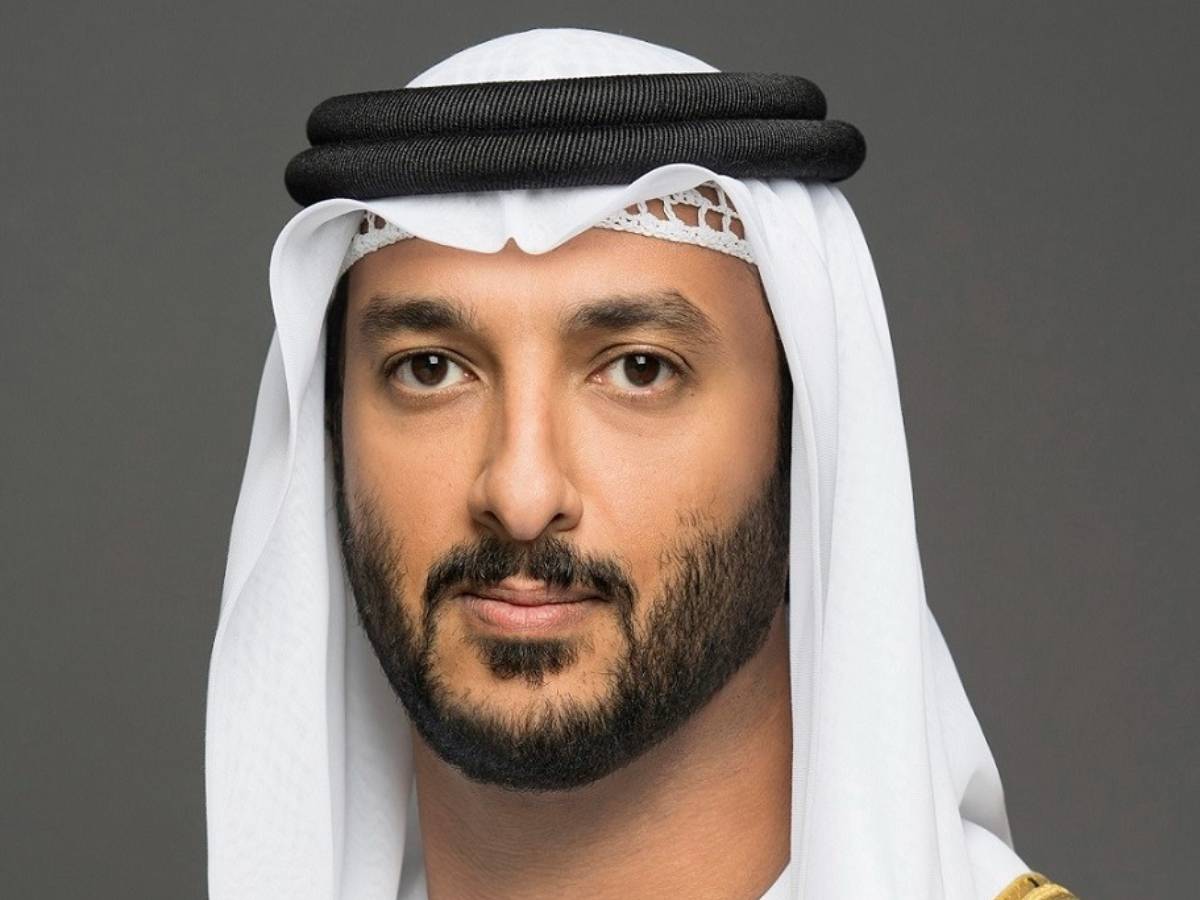
“The UAE has successfully laid the foundation for a sustainable, diversified economy driven by innovation and knowledge, aligning with global trends while maintaining its position as a premier economic hub regionally and internationally,” said HE Abdulla bin Touq Al Marri, Minister of Economy.
He added that these achievements pave the way for meeting the economic goals outlined in the “We the UAE 2031” vision, which includes raising GDP to Dh3 trillion within the next decade.
The UAE’s nominal GDP (at current prices) reached Dh981 billion in the first half of 2024, reflecting a growth rate of 5.6%. Non-oil GDP at current prices rose to Dh749 billion, registering a growth rate of 6.8% compared to the same period in 2023. This growth reflects not only strong sectoral performances but also the UAE’s strategic economic policies, including its focus on foreign direct investment (FDI) and entrepreneurship.