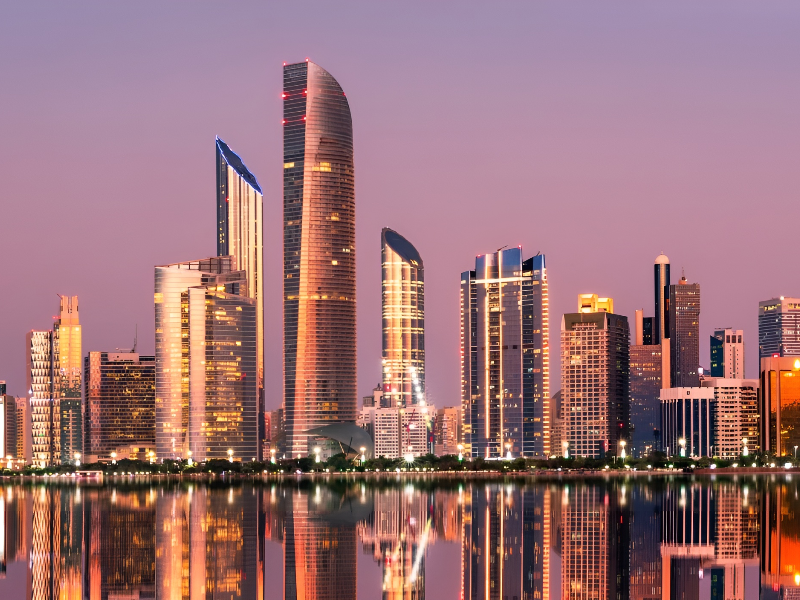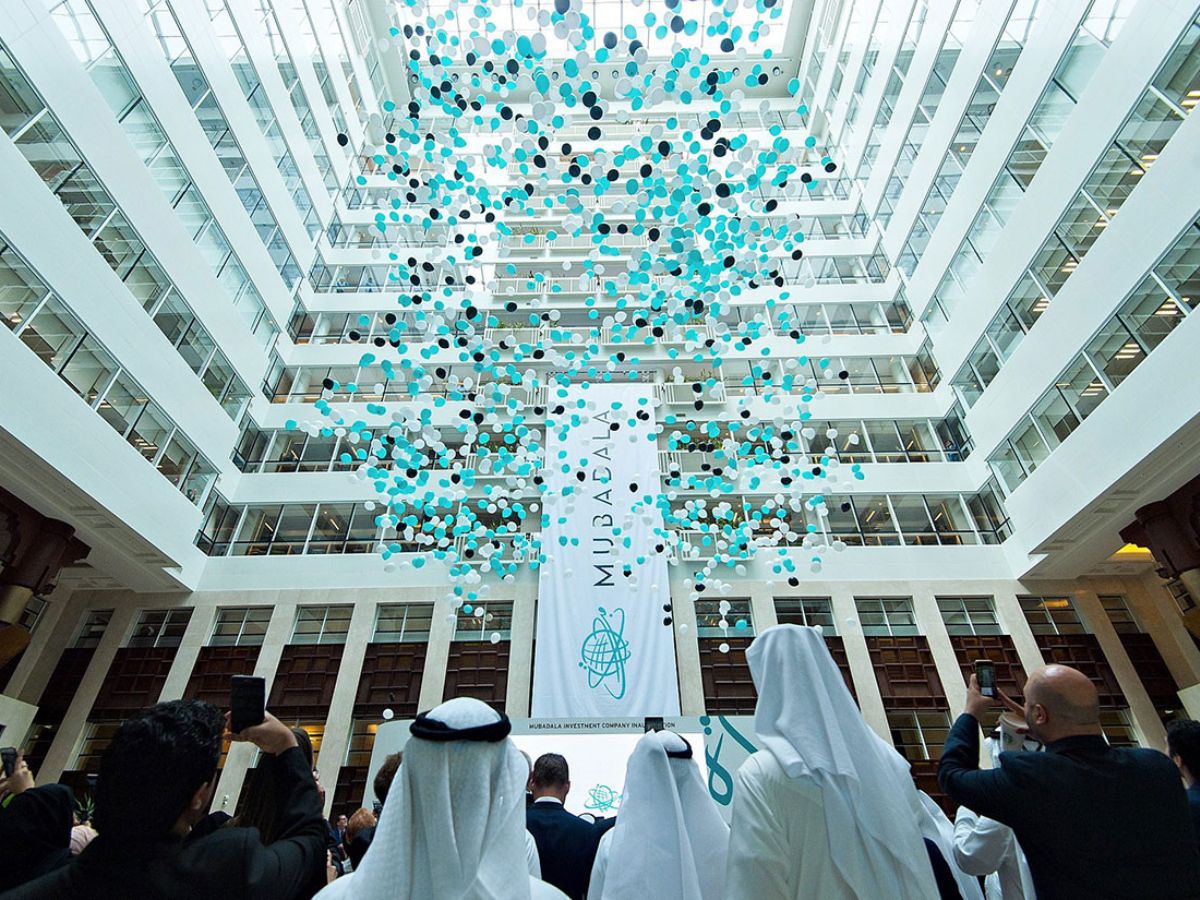
Abu Dhabi’s Mubadala Investment Company emerged as the world’s largest sovereign wealth fund spender in 2024, deploying $29.2 billion across 52 transactions, according to data from the latest Global SWF report. This marked a 67% surge in Mubadala’s investment activity compared to the previous year, outpacing Saudi Arabia’s Public Investment Fund (PIF).
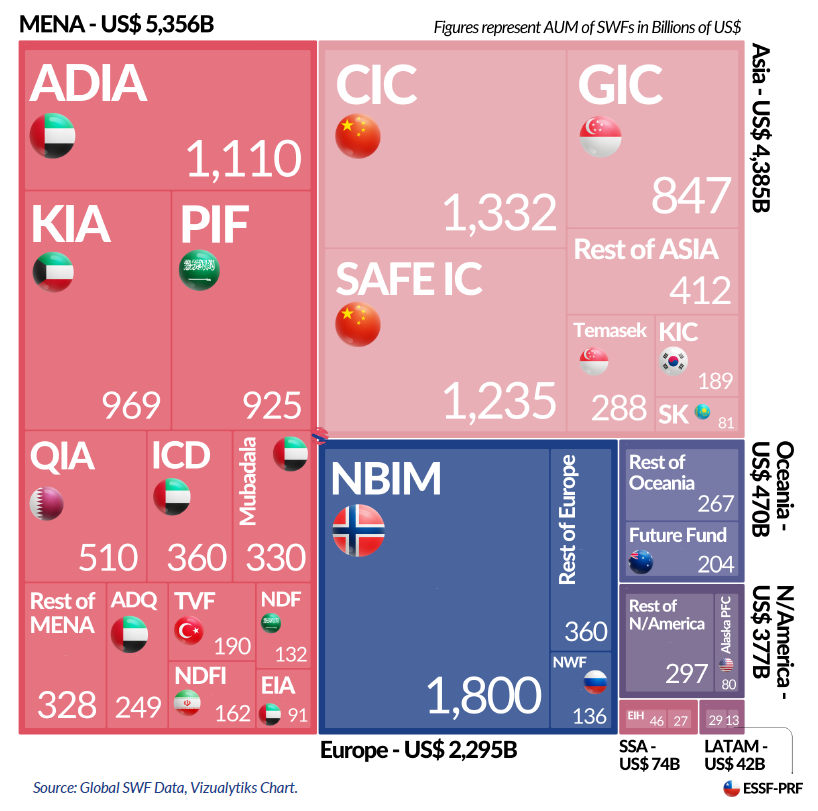
The Middle East’s sovereign wealth funds (SWFs), collectively known as the “Oil Five”—comprising Mubadala, PIF, Abu Dhabi Investment Authority (ADIA), Qatar Investment Authority (QIA) and ADQ—continued to dominate global investment activity. Together, they deployed $82 billion in 2024, with a focus on sectors such as infrastructure, technology and renewable energy. The Gulf Cooperation Council (GCC) region accounted for 38% of the world’s SWF assets, highlighting its critical role in reshaping global markets.
Mubadala’s rise to the top
Mubadala’s record-breaking investments in 2024 reflect its diversified strategy across geographies and sectors. The Abu Dhabi-based fund targeted key growth areas, including AI, telecom infrastructure and logistics. Notable deals included increased stakes in AI leaders like OpenAI and xAI, significant funding for data centre projects in Europe and Asia, and partnerships to modernise transport infrastructure in emerging markets.
These investments align with Abu Dhabi’s broader economic diversification goals under its Centennial Plan 2071, positioning the emirate as a hub for technology and innovation. Mubadala’s subsidiaries, such as ADIC and MGX, played pivotal roles in executing these deals, leveraging regional expertise to maximise global impact.
The shifting dynamics of PIF
Saudi Arabia’s PIF, while still a heavyweight in the SWF landscape, shifted focus in 2024. Its investments prioritised domestic mega-projects like NEOM and strategic renewable energy initiatives, including solar and wind power partnerships. Despite its slightly reduced international spending compared to previous years, PIF remained among the top global investors, reflecting Saudi Arabia’s dual strategy of inward development and targeted global expansion.
The fund’s smart city infrastructure and tourism investments were critical to advancing Vision 2030, Saudi Arabia’s blueprint for economic diversification. PIF’s total assets under management are projected to exceed $2 trillion by 2030, making it one of the largest global sovereign investors.
Technology and infrastructure
Both Mubadala and PIF placed significant emphasis on technology and infrastructure in 2024. Mubadala’s telecom investments complemented the UAE’s push to expand 5G networks and digital infrastructure. PIF, meanwhile, invested heavily in renewable energy projects and logistics hubs to enhance Saudi Arabia’s connectivity and trade capabilities.
These moves mirror broader regional priorities, with the GCC’s SWFs collectively allocating over 50% of their deployed capital to real assets. Investments in AI, data centres and green energy are seen as critical for the region’s transition to a knowledge-based economy.
The investment strategies of Mubadala and its regional peers have direct implications for local economies. In the UAE, Mubadala’s advanced manufacturing and renewable energy projects are creating jobs and driving innovation. In Saudi Arabia, PIF’s focus on NEOM and energy transition projects fosters new industries’ growth and supports long-term economic sustainability.
Looking ahead, Middle Eastern SWFs are expected to expand their global influence further. Projections from Global SWF suggest that GCC sovereign funds will manage assets exceeding $60 trillion by 2025, with significant growth driven by diversification efforts and sustained high oil revenues.
As the Middle East’s sovereign wealth funds continue to deploy capital at unprecedented levels, their role in shaping global investment trends and regional economic transformation remains unmatched. Mubadala’s record-breaking year underscores the shifting dynamics of sovereign investment, positioning the UAE and its Gulf neighbours as dominant forces in the global financial landscape.